Back-to-back heat waves and the round-the-clock power needs of AI data centers are combining to strain parts of the U.S. power grid. PJM Interconnection — serving about 67 million people and including Northern Virginia’s data center cluster — set a 20-year peak at 168 GW on July 2, while other operators such as MISO and SPP also issued reliability warnings. Data centers both aid grid management and substantially increase demand, and some regions (notably Texas) have used renewables and storage to help ease stress. Experts say major, long-term investments will be required to shore up reliability.
Back-to-Back Heat Waves and AI Data Centers Push US Power Grids to the Brink

Photo Credit: iStock
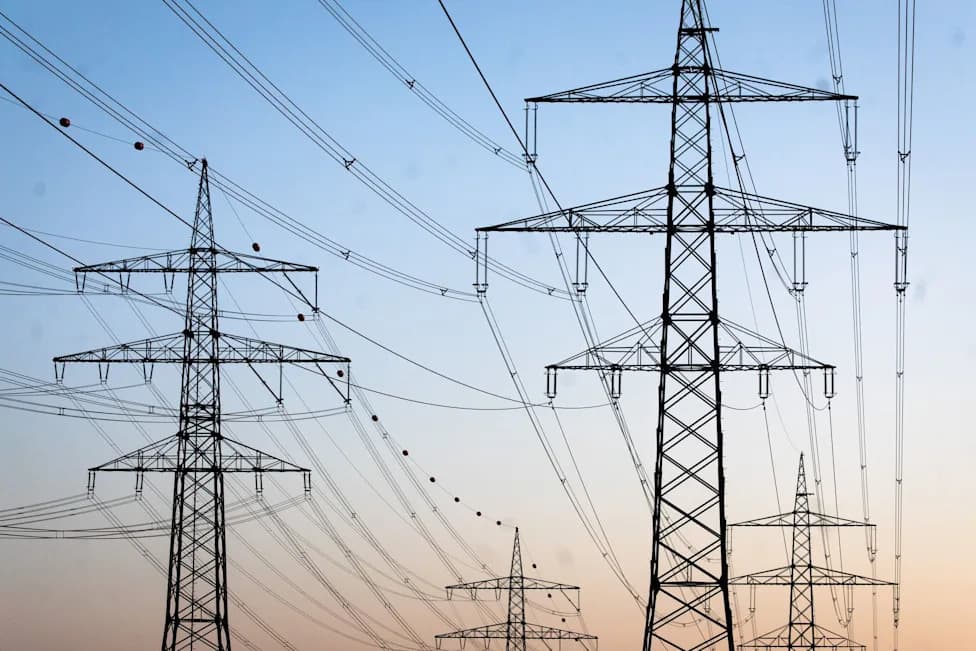
Back-to-back heat waves are straining parts of the United States power grid just as electricity demand is surging from another major source: AI-powered data centers that operate 24/7 and consume vast amounts of energy. Together, these pressures are creating a modern stress test for systems built in a different era.
Rising Demand, Shrinking Reserves
Grid operators across several regions have issued emergency warnings in recent weeks as extreme heat boosts air-conditioning use while eroding reserve margins. No system has felt the pressure more acutely than PJM Interconnection, which serves roughly 67 million people from the Midwest through the Mid-Atlantic and includes Northern Virginia — one of the world's largest data center clusters.
On July 2, PJM reached a peak demand of 168 gigawatts, surpassing a 20-year record. Reliability alerts have also been issued by the Midcontinent Independent System Operator (MISO) and the Southwest Power Pool (SPP) as temperatures climbed.
"There are expressed concerns from RTOs [regional transmission operators] that we are reaching tipping points," said Timothy Fox, an analyst at ClearView Energy Partners LLC.
Why Nights Matter
Forecasters note that many of the recent strains have occurred during weather that was notably warm but not historically extreme. Hotter, more humid nights keep air conditioners running later into the evening, stretching demand well beyond daytime peaks and making it harder for grids to recover.
The Role of AI Data Centers
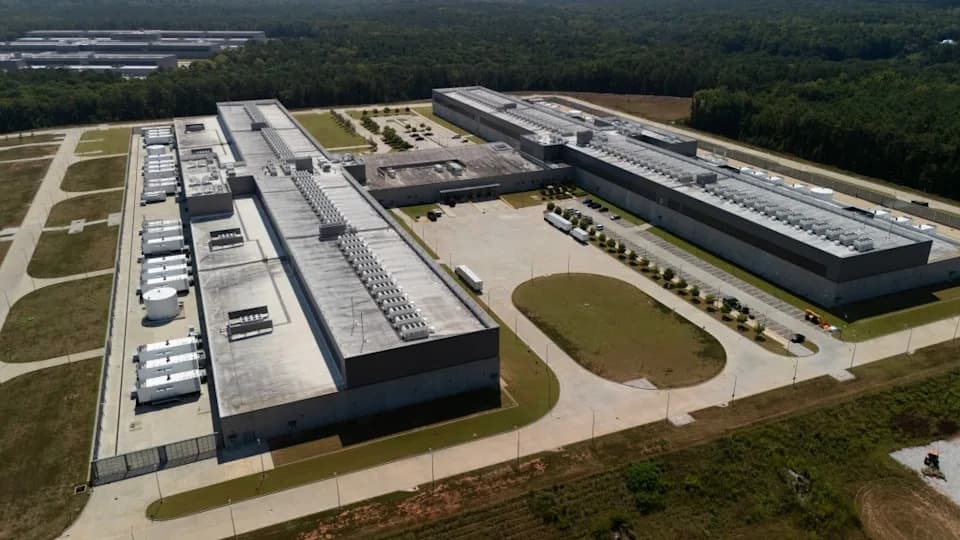
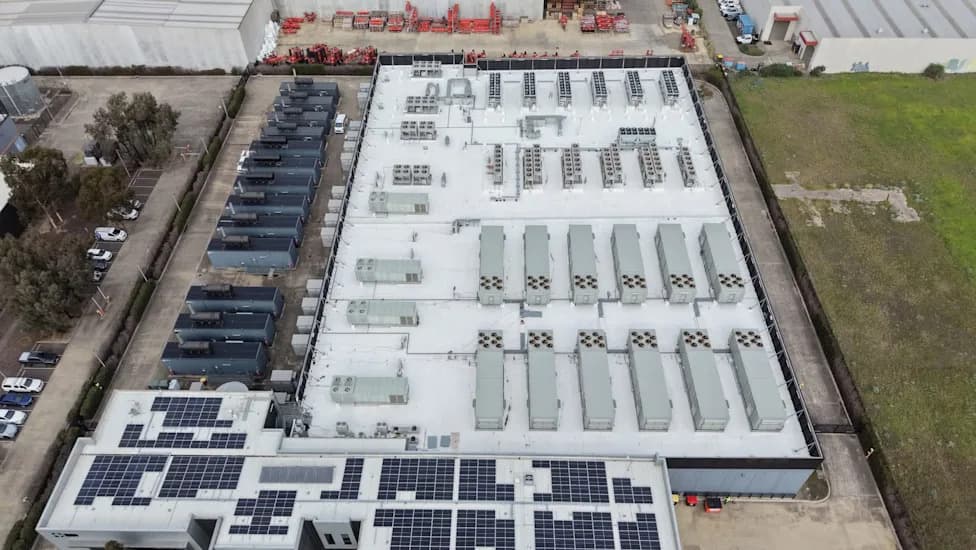
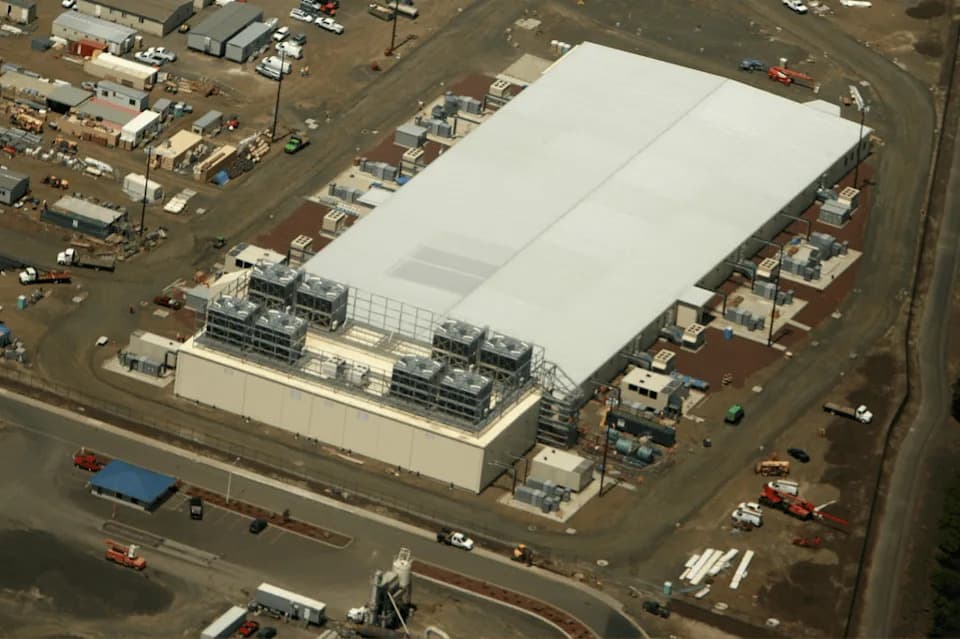
AI data centers are a growing, disruptive factor. They both help and strain the grid: data centers power tools that can improve utilities' demand forecasting, efficiency and integration of renewable resources, yet they also consume enormous quantities of electricity and water and place added burdens on local distribution systems.
"One of the more interesting takeaways from this summer is that many of the reliability concerns and demand records have occurred during weather that has been notably warm, but generally not historically extreme," said Bradley Harvey, lead forecaster at Vaisala Xweather.
Actions and Policy Moves
This month PJM issued emergency alerts and requested that the Department of Energy allow data centers to run backup generators during critical events. The operator is also planning a post-summer emergency auction intended to require data centers to pay for the generation capacity they rely on.
Some regions are faring better than others. Texas' main grid (ERCOT) has added substantial solar, wind and battery storage capacity, which helped the system meet record demand without declaring an energy emergency for nearly two years. Trudi Webster, an ERCOT spokeswoman, said the operator "continues a reliability-first approach to grid operations."
"It'll take years and billions, if not trillions of dollars in investment. That's just the sad truth," warned Gary Cunningham, director of market research for Tradition Energy.
Impacts for Consumers
When systems are pushed toward their limits, consumers can face higher electricity bills, requests to conserve power, heavier reliance on backup generators, and, in the worst cases, outages during dangerously hot conditions. Policymakers, utilities and data center operators will likely need coordinated planning and investment to avoid recurring crises as climate trends and continuous computing loads intensify.
Help us improve.