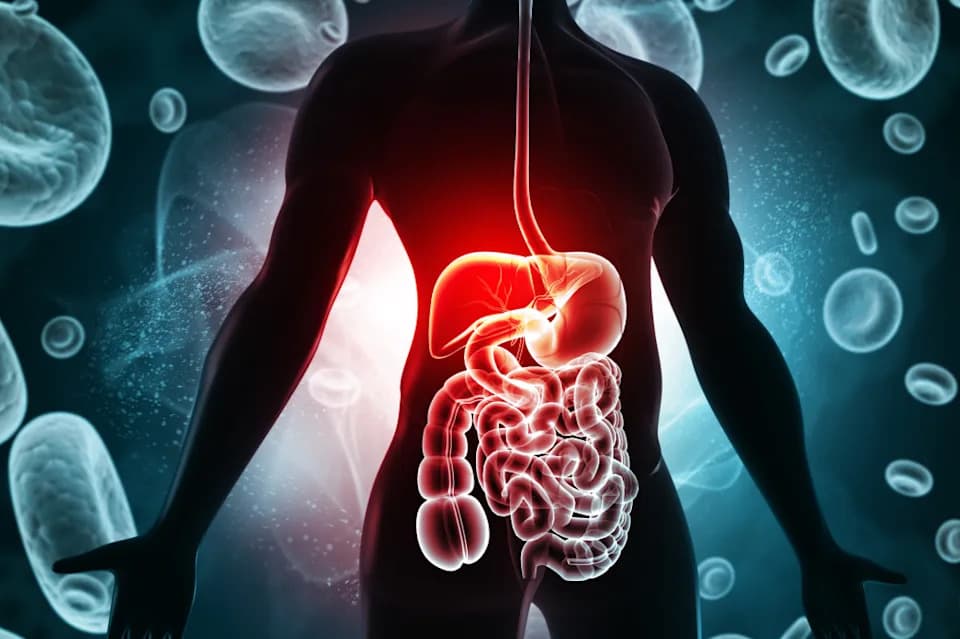
Researchers report that metformin, a widely used diabetes medication, also acts in the brain to help lower blood sugar. In mice, deletion of the Rap1 protein in the ventromedial hypothalamus (VMH) prevented metformin from reducing glucose, while other diabetes drugs still worked. Directly injecting tiny amounts of metformin (as little as 1 µg) into the brain lowered blood sugar, implicating VMH Rap1 and SF1 neurons. The results point to new possibilities for brain-targeted diabetes therapies and may relate to metformin’s reported effects on brain aging.
Metformin’s Surprise Target: Study Finds Common Diabetes Drug Also Acts in the Brain
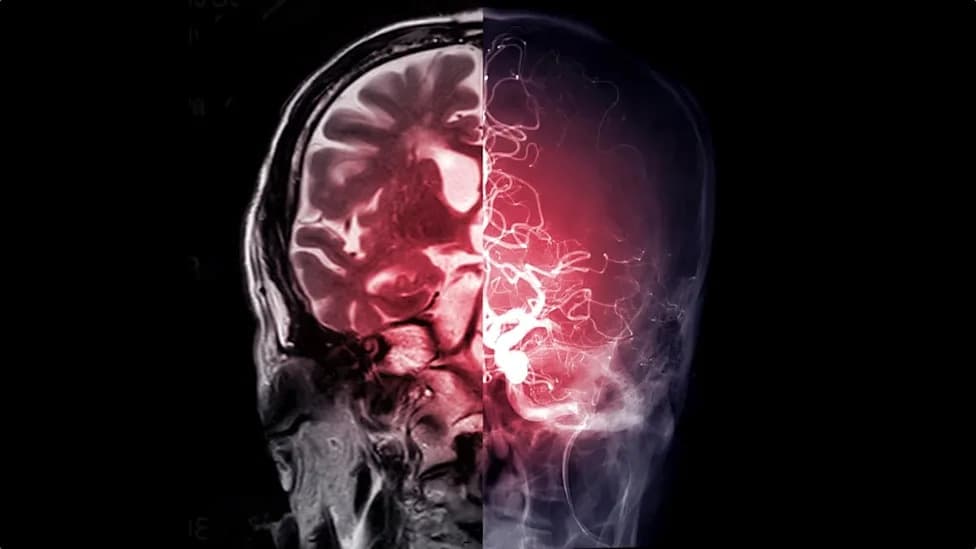
(mr.suphachai praserdumrongchai/iStock/Getty Images)
Metformin, a mainstay treatment for type 2 diabetes for decades, appears to exert part of its glucose-lowering effect in the brain as well as the liver and gut. A study published in 2025 in Science Advances led by Makoto Fukuda at Baylor College of Medicine identifies a brain pathway — involving the Rap1 protein in the ventromedial nucleus of the hypothalamus (VMH) and SF1 neurons — that is required for metformin’s full anti-diabetic action in mice.
Key Findings
The researchers used genetically engineered mice lacking the Rap1 protein specifically in the VMH. In animals fed a high-fat diet to model features of type 2 diabetes, metformin failed to lower blood glucose when Rap1 was deleted in this brain region. By contrast, those Rap1-deficient mice remained responsive to other glucose-lowering therapies such as insulin and GLP-1 receptor agonists, indicating a metformin-specific dependence on VMH Rap1 signaling.

An illustration of metformin working in the body. (Behnoush Hajian/Science Photo Library/Getty Images)
Direct central administration of metformin produced glucose-lowering effects at extremely low doses. Injecting as little as 1 µg of metformin into the brains of obese mice reduced blood glucose — a dose several thousand times lower than typical peripheral or oral rodent doses — suggesting the brain is highly sensitive to the drug.
Mechanism and Broader Implications
Mechanistically, the team showed that metformin activates SF1 neurons in the VMH, cells known to regulate blood sugar, appetite and energy balance. The results imply that metformin’s systemic effects on glucose involve neural circuits as well as peripheral tissues, expanding the long-held view that its primary sites of action are the liver and gut.
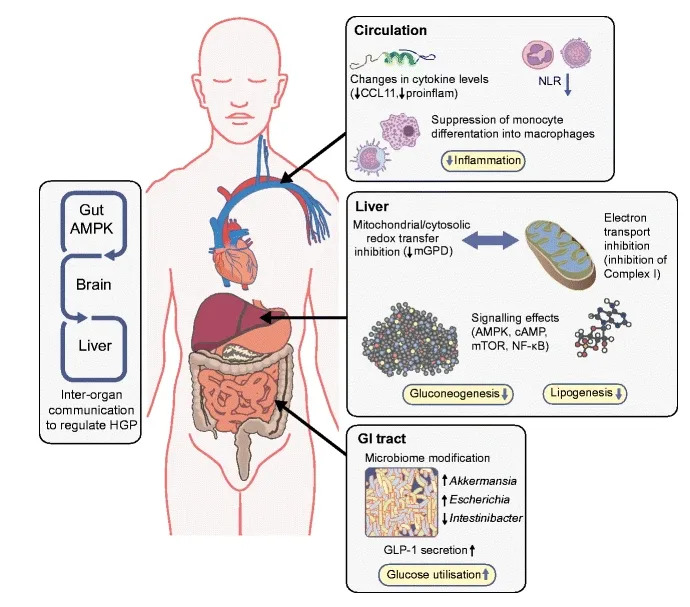
Metformin was known to act in the liver, gut, and circulatory system. Now we know the drug also works in the brain to regulate glucose levels. (Rena et al.,Diabetologia, 2017)
"This discovery changes how we think about metformin," Fukuda said. "It's not just working in the liver or the gut; it's also acting in the brain."
The finding may open new therapeutic directions: targeting the VMH Rap1–SF1 neuron pathway could yield brain-directed diabetes treatments that achieve glucose control with lower systemic exposure, or offer alternatives for patients who do not respond to current drugs.
Connections to Aging Research
Metformin has been associated in prior studies with effects beyond glucose lowering, including experimental evidence suggesting it may slow some aspects of brain aging (reported in animal studies such as macaques) and epidemiological links to increased longevity in certain human cohorts. Fukuda and colleagues plan to investigate whether the VMH Rap1 signaling they identified also contributes to these reported brain-related benefits.

Subscribe to ScienceAlert's free fact-checked newsletter
Study Source: Findings reported in Science Advances (2025). The experiments described were conducted in mouse models; implications for humans will require further clinical investigation.
This article was edited for clarity and accuracy.
Help us improve.