The BBC spoke by phone with Ethiopian detainees on death row in a Saudi prison, including a man called Habtom, who has been held in Khamis Mushait for more than three years. Rights groups and prisoners allege systematic due-process failures—lack of lawyers, inadequate translation and coerced Arabic signatures—while Saudi statements describe formal judicial procedures. Executions of Ethiopians have surged this year, and detainees report severe overcrowding and harsh treatment as diplomatic efforts continue.
Ethiopian Death-Row Detainees in Saudi Prisons Plead for Help as Executions Rise

Some Ethiopian inmates got hold of the number for the BBC Tigrinya service and called from a prison phone to tell their stories [BBC]
There was a tone of desperation in the voice of a young Ethiopian who managed to reach the BBC from a mobile phone inside his cell on death row in Khamis Mushait, Saudi Arabia. The man, identified as Habtom to protect his identity, has been detained for more than three years.
Allegations of Unsafe Trials and Coerced Confessions
Over the background noise of other inmates, Habtom appealed for help and expressed anger that his government seemed to be doing little to change his fate. "One prisoner cannot comfort another. We have no choice but to cry. We are waiting for our turn, even though we do not know when it will happen," he said.
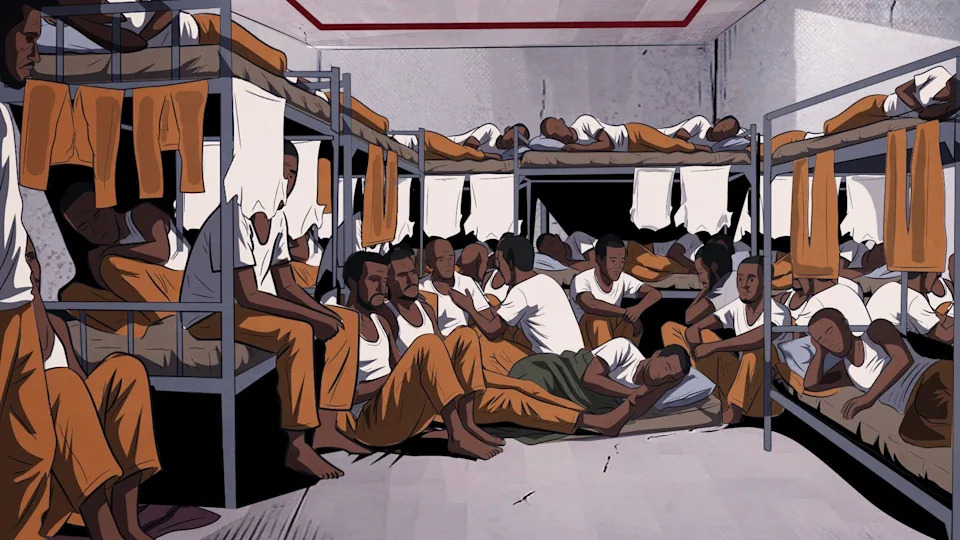
The seven Ethiopians who spoke to the BBC said conditions inside the prison were harsh [BBC]
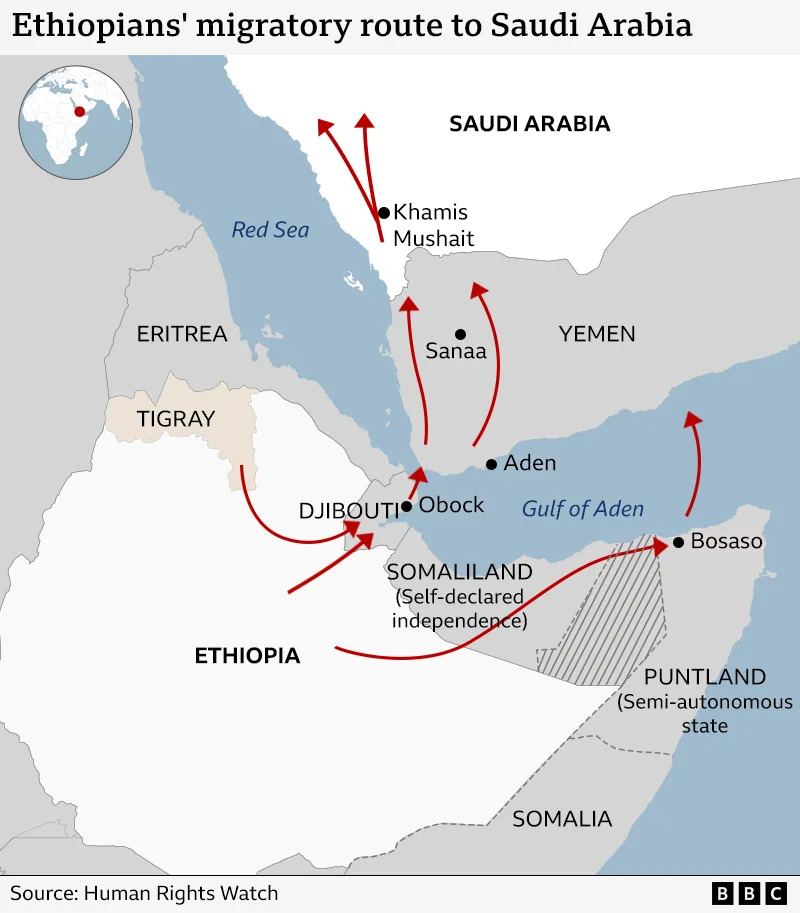
Habtom and several other detainees told the BBC they fled conflict and poverty in Ethiopia, travelling through Djibouti and Yemen before arriving in Saudi Arabia. Instead of safety, some found themselves arrested and later convicted of drug-related offences. Authorities' official statements typically describe convictions for hashish smuggling; several prisoners, however, said they were stopped carrying khat, a widely used stimulant in the Horn of Africa.
"I did not know what we were carrying. But later I was told it was khat. I don't even know what khat is," Habtom said, adding that he had been tempted by the payment on offer.
Human rights organisations — including Amnesty International, Human Rights Watch (HRW) and Reprieve — say many of these cases show serious due-process failings. They report that defendants are often denied access to lawyers or court documents, receive inadequate translation, and are sometimes pressured to sign Arabic documents they cannot read. Amnesty researcher Dana Ahmed described a "near-total lack of transparency throughout the entire judicial process, from sentencing to Supreme Court review and ratification by the King."
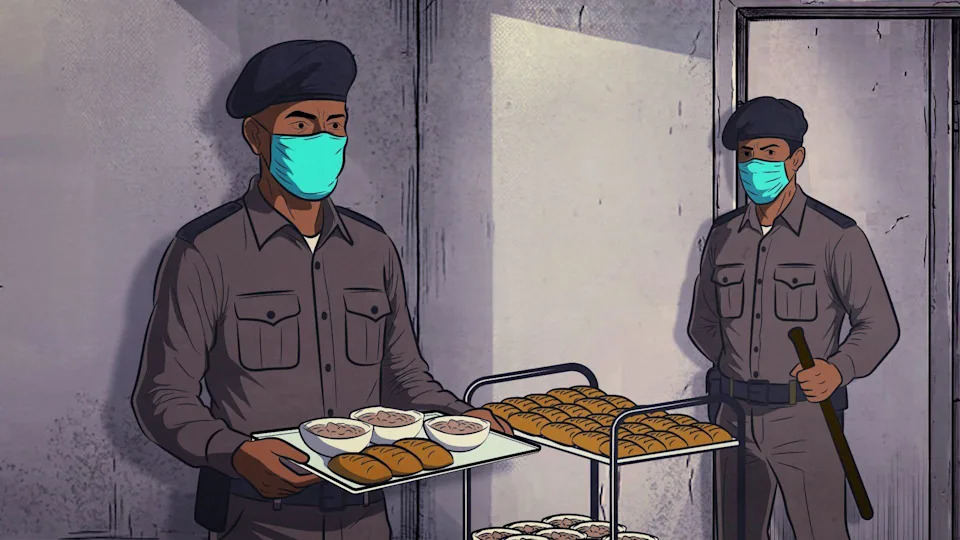
One prisoner described how their cell door was opened once a day when a guard brought in food [BBC]
Rising Executions and Harsh Prison Conditions
The number of Ethiopian executions has climbed sharply: 17 were executed in the first seven months of the year, and clusters of executions occurred in April and June. Amnesty's research shows the number of Ethiopians executed rose from just two in an earlier period to 35 in 2025. Rights groups and analysts link the rise to increased migration from Tigray after a brutal two-year conflict and to Saudi Arabia's wider use of the death penalty for drug offences.
Prisoners who spoke to the BBC described overcrowded, squalid conditions. A detainee calling himself Desta said his cell held about 200 men in a space built for 90, with 45 bunk beds arrayed around the walls. Inmates reported being let out only briefly for food, facing beatings if they asked questions, and covering themselves with rubbish bags at night to keep warm.
[BBC]
Diplomacy, Protests and Calls For Transparency
The April executions triggered protests from rights groups and prominent Ethiopian figures, including Patriarch Abune Mathias of the Ethiopian Orthodox Church, who urged negotiatons with Saudi authorities. Human Rights Watch has called for an immediate halt to Ethiopian executions and urged that all cases be handled according to international legal standards.
Diplomatic efforts have included a May meeting in Addis Ababa between Ethiopian Foreign Minister Gedion Timothewos and Saudi Deputy Foreign Minister Waleed Al-Khuraiji, and a June prison visit by Ethiopia's ambassador to Saudi Arabia, Tafa Tulu Dadi. Prisoners told the BBC the ambassador had limited time to hear their cases. The Ethiopian foreign ministry said on 13 July it was in regular contact with Saudi authorities to seek remedies for citizens and noted that nearly 2,000 Ethiopians had "benefited from royal amnesties," without detailing crimes or sentences.

[BBC]
The Saudi state press agency issues statements for each execution outlining a formal process — investigation, trial, appeal, Supreme Court review and royal ratification — and framing the measures as part of efforts to counter drugs. Saudi authorities did not respond to BBC requests to comment on allegations of unfair procedure in these specific cases.
Lives on Hold
As diplomatic manoeuvres continue, detainees remain on edge. Many said they never expected a death sentence and believed they would return home after serving time. Instead, hundreds — perhaps as many as 200 Ethiopians in some facilities — say they are waiting to learn whether a sentence will be carried out, with little information and limited legal recourse.
"We are living in deep fear and cannot even eat the food we are given," Habtom told the BBC. Rights groups continue to call for transparent reviews of the cases and urgent consular support for those facing capital punishment.
Additional reporting by Damian Zane.
Help us improve.