Hanna Petros Solomon and other relatives recount how senior Eritrean officials known as the G-15 were arrested without trial in September 2001 after calling for constitutional implementation and elections. Many families, including Hanna’s, have received no reliable news of detainees believed held in secret prisons such as Ela-Ero and Karshelli. Human rights organizations and the UN consider the G-15 prisoners of conscience and continue to demand transparency and their release. The arrests have left lasting trauma on families and helped drive waves of migration from Eritrea.
“I Don’t Even Know If My Parents Are Alive”: Families of Eritrea’s G-15 Still Waiting 25 Years On
Aster Yohannes and Petros Solomon fought in Eritrea's war of independence [Hanna Petros Solomon]
Hanna Petros Solomon breaks down as she recalls how she and her siblings effectively became orphans a quarter of a century ago when their father was arrested in Eritrea and detained without trial. Their mother was later taken too, and the family has received no reliable news of either parent since.

As foreign minister, Petros Solomon met then-US President Bill Clinton and his wife Hillary [Hanna Petros Solomon]
Arrests After Calls For Reform
In May 2001, Petros Solomon and 14 other senior officials — a group that became known as the G-15 — publicly called for the implementation of Eritrea's constitution and for national elections. President Isaias Afewerki responded with a sweeping crackdown. In the early hours of 18–19 September 2001, security forces arrested several high-profile figures across the capital, Asmara. Petros was seized as he left for a morning run.
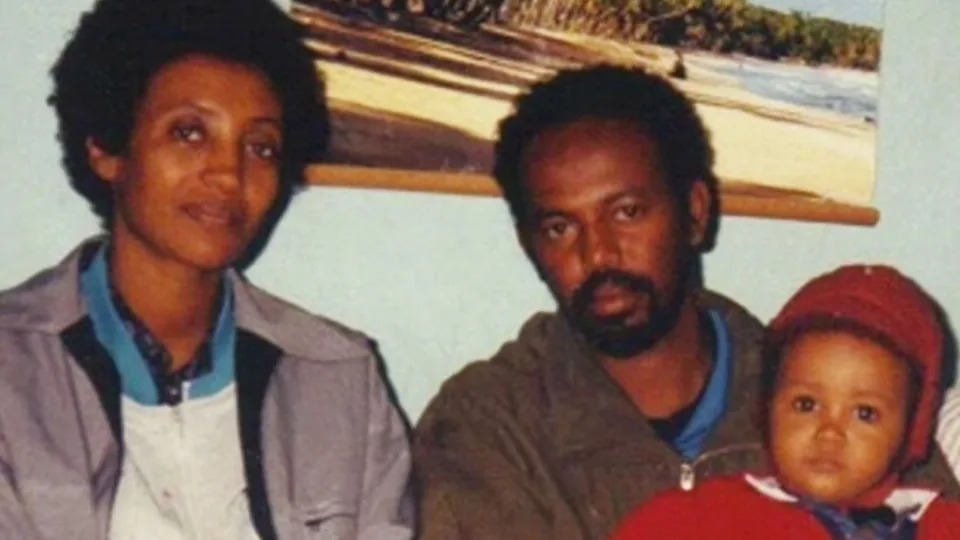
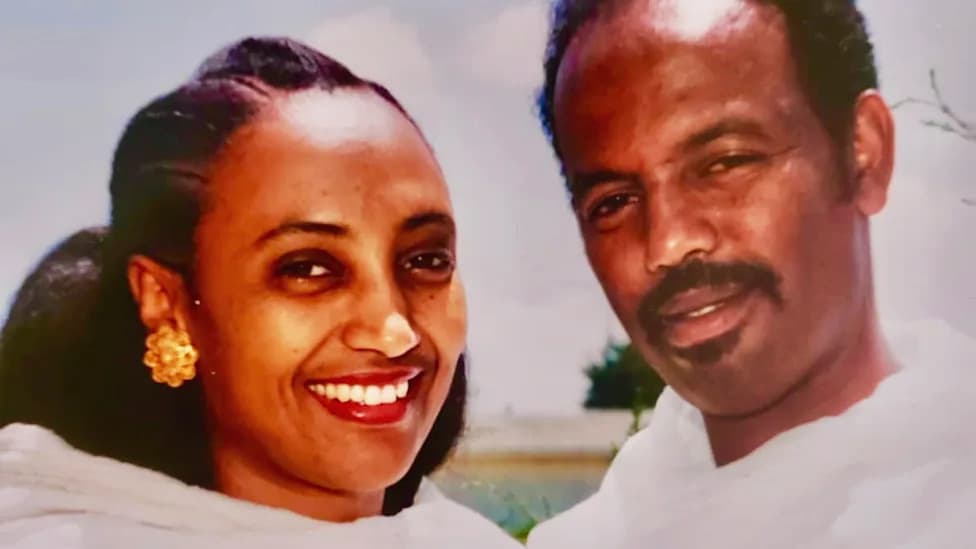
Hanna often looks at old photos - this one shows her with her parents - and worries about her memories fading [Hanna Petros Solomon]
Families Left Without Answers
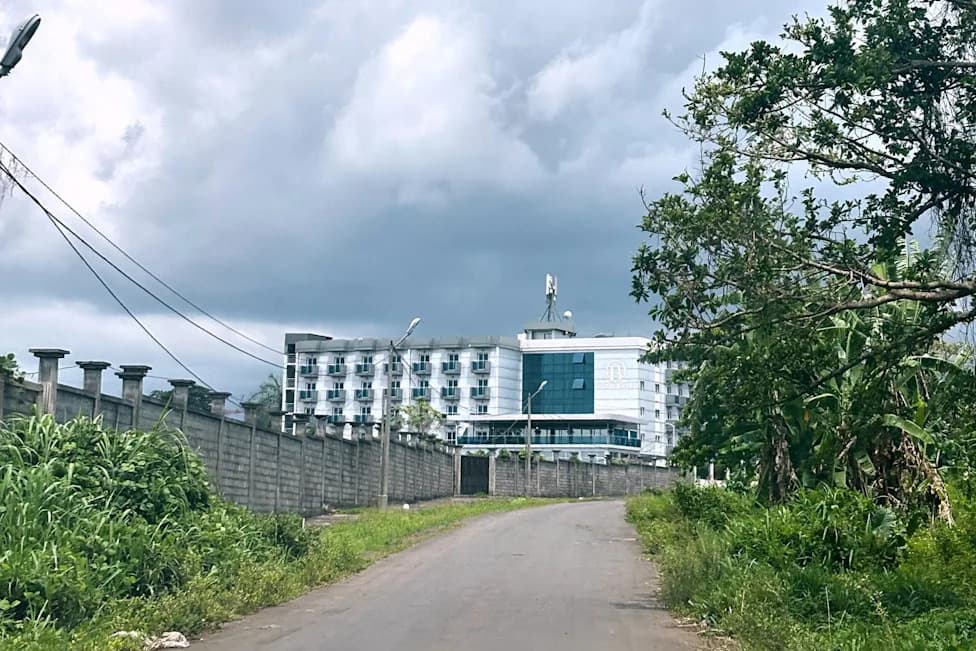
Hanna, who was ten when her father disappeared, remembers the confusion and stigma that followed. Her mother, Aster Yohannes (also reported as Aster Fissehatsion), returned from the United States on 11 December 2003 and was detained at the airport. Authorities later warned relatives to stop asking questions. Human rights organizations and families believe many of those arrested are held in secret facilities such as Ela-Ero in the remote eastern lowlands and Karshelli in central Asmara.
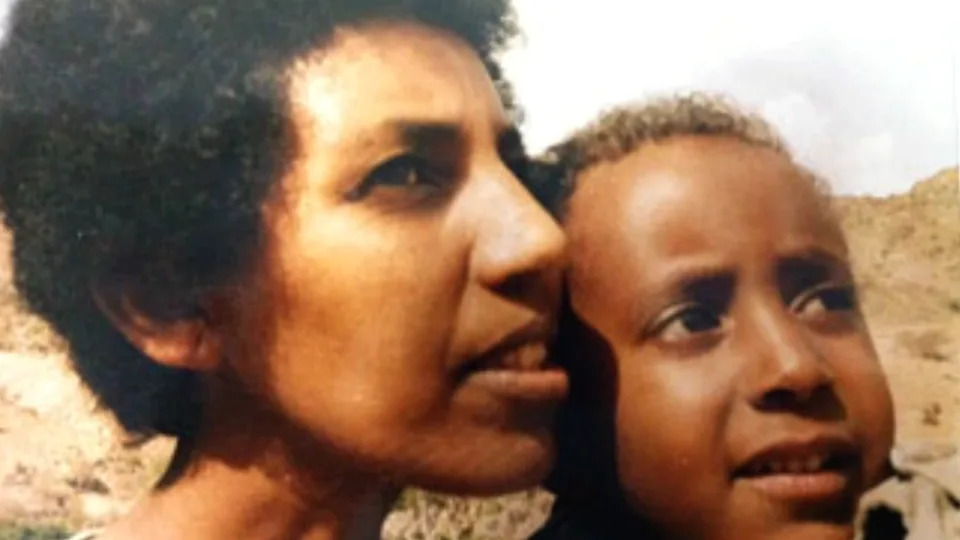
Ibrahim Sherifo, pictured here with his mother Aster Fissehatsion in 1990, wants the government to let him know if she is alive [Sherifo and Aster family]
Lives Altered by Disappearance
Thousands of Eritreans have fled indefinite national service and political repression since the arrests. Hanna left the country clandestinely and now lives in the United States, working as a trauma specialist, but remains haunted by the loss of her parents and the risk that memories of happier times may fade. Ibrahim Sherifo, who was 13 when both his parents — senior members of the ruling party — were detained, describes 18 September 2001 as “a dark day for Eritrea” that marked the silencing of rule of law and democratic accountability.
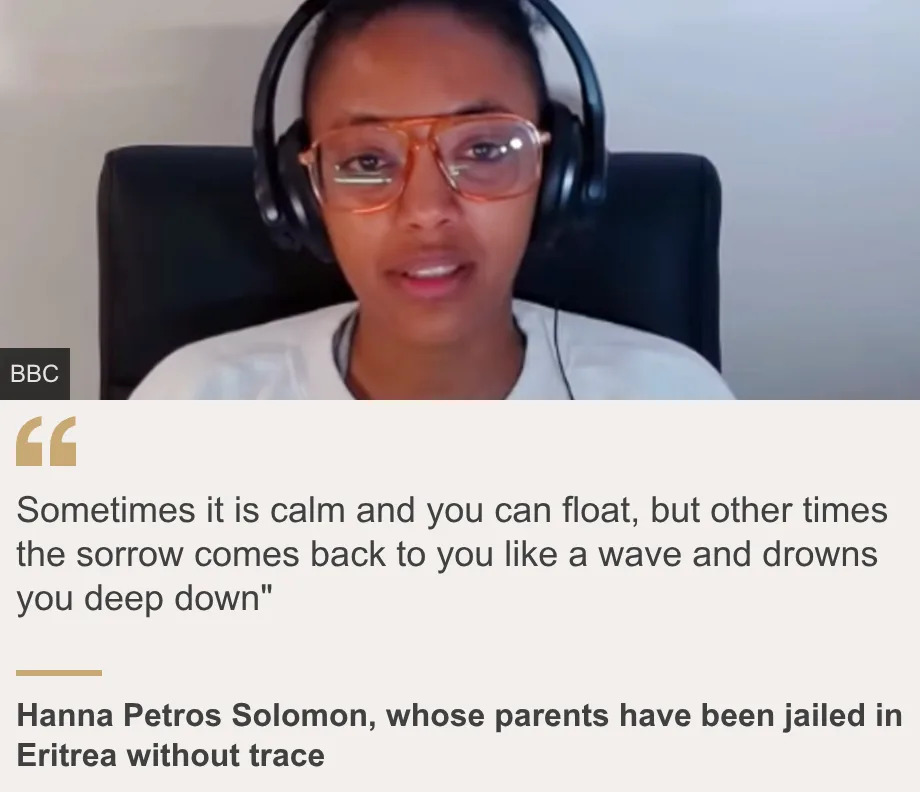
"Sometimes it is calm and you can float, but other times the sorrow comes back to you like a wave and drowns you deep down"", Source: Hanna Petros Solomon, whose parents have been jailed in Eritrea without trace, Source description: , Image: Hanna Petros Solomon
“Sometimes it is calm and you can float, but other times the sorrow comes back to you like a wave and drowns you deep down,” Hanna says of living with years of uncertainty.
Calls For Transparency And Justice
None of the detained G-15 members has been formally charged, tried, or allowed consistent contact with relatives. Human rights groups and UN bodies regard the detainees as prisoners of conscience and continue to press for information about their fate and for their release. President Isaias Afewerki, who has not implemented the 1997 constitution and remains in power without holding elections, has not provided answers. Families demand at minimum confirmation of whether their loved ones are alive.

[BBC]
Personal Remnants
Beyond politics, the accounts are intimate: Hanna treasures photos and memories such as her mother’s egg-and-potato sandwiches and her father’s impromptu car singing contests. These small recollections are all that remain of the family life that preceded the arrests.
Why this matters: The G-15 case is emblematic of broader repression in Eritrea — enforced disappearances, the closure of independent media, and indefinite detention without due process — and it continues to shape the lives of the victims’ families and many Eritreans in exile.
Help us improve.