Three people have been federally indicted in an alleged gold-courier fraud that investigators say involved about $3 million and several elderly victims. Two suspects were arrested during an attempted pickup of roughly $250,000 in gold from an 87-year-old Michigan couple after Kent County deputies staged an undercover operation. The FTC warns government agencies do not tell consumers to buy gold or withdraw cash; victims should preserve records and report suspected elder fraud to federal hotlines.
Fake 'Federal Agents' Tried to Seize $250,000 in Gold; 3 Face Federal Charges in Alleged $3M Elder Fraud

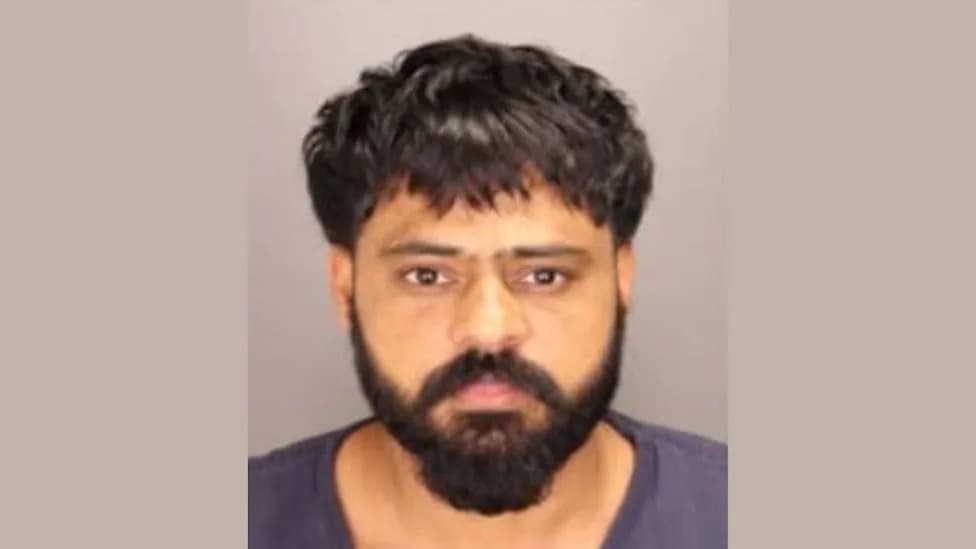
Image Credit: Kent County Jail.
Three people have been federally indicted in connection with an alleged gold-courier scam that investigators say involved roughly $3 million and multiple older victims.
What Happened
Federal prosecutors have named Sudeep Khurana, Christian Matthews and Taylor Mitchell-Meeks in the indictment. Authorities say Matthews and Mitchell-Meeks were arrested during an attempted pickup tied to an 87-year-old Ada Township, Michigan man and his wife, who were allegedly told to convert about $250,000 of life savings into gold.
Investigation And Arrests
Investigators say the victims were contacted through an online operation whose operators gained access to their computer and impersonated representatives of the Federal Trade Commission (FTC) and the Social Security Administration. The scammers claimed the couple’s funds were connected to criminal activity and needed to be moved for "protection." The couple was instructed to withdraw their savings, buy roughly $250,000 in gold bars, and surrender the metal to a purported federal representative in Cascade Township.
Kent County sheriff’s deputies learned of the planned exchange, staged an undercover operation and arrested Matthews and Mitchell-Meeks when they arrived to collect the gold. Because deputies intervened before the transfer, the couple retained the money that had not been surrendered. State charges filed earlier against Matthews and Mitchell-Meeks included conducting a criminal enterprise, obtaining money by false pretenses involving at least $100,000, and using a computer to commit a crime. Court records reported both were being held on $500,000 cash bonds after arrest. The federal indictment adds Khurana to the case; local reporting by WOOD TV described the alleged operation as involving about $3 million and multiple elderly victims.
How The Scam Worked
According to investigators and FTC guidance, scammers frequently impersonate government agencies to create urgency and fear. In this case, fraudsters instructed victims to buy gold or move cash into a supposedly secure government account — tactics real agencies and legitimate financial institutions do not use.
Advice For Potential Victims
Do not trust unsolicited calls or messages that demand immediate payment, withdrawal, or purchase of gold. End the call and independently contact the agency the caller claims to represent using phone numbers or websites you find yourself, not those the caller provides. If you have already purchased gold but not surrendered it, contact local law enforcement before meeting any courier and keep the gold secured. Preserve receipts, photos, serial numbers, messages and any delivery instructions.
Suspected elder fraud can be reported to the Justice Department’s National Elder Fraud Hotline at 1-833-372-8311 (Mon–Fri, 10 a.m.–6 p.m. ET). You can also report scams to the FTC at ReportFraud.ftc.gov and to the FBI via the Internet Crime Complaint Center (IC3).
Note: Legitimate government agencies will not demand that you buy gold, withdraw cash, or transfer savings to a so-called secure government account.
Help us improve.