New York officials issued an 11-page rebuttal to federal claims that utility-scale solar is consuming prime farmland, citing a Cornell study and NYSERDA guidance showing solar leases often help farmers keep land in production. SEIA data estimates solar covers only about 0.13% of New York's prime farmland and 0.07% nationally. The article also covers opposition amplified on social media, examples of grazing and crop co-location beneath panels, and related energy-policy updates including coal support, gas-stove health findings, and fusion funding.
New York Pushes Back: Evidence Shows Solar Isn't Devouring Farmland
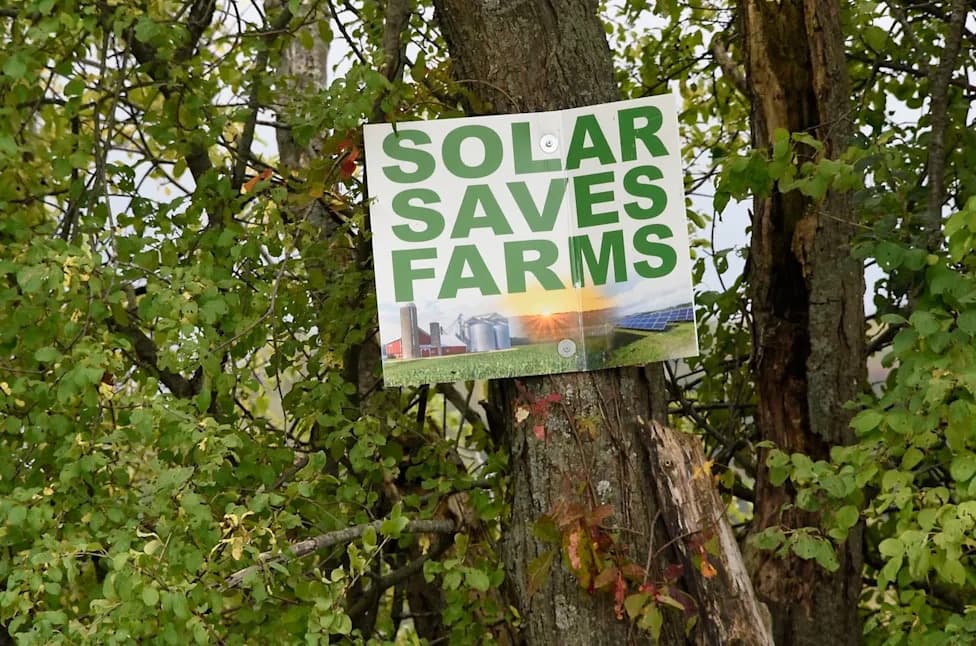
New York takes on the myth that solar is swallowing farmland
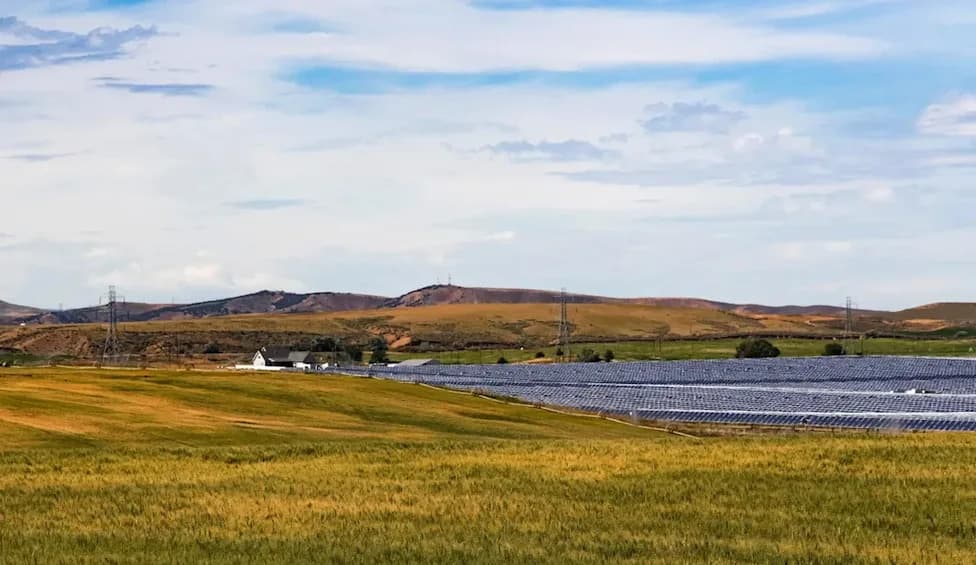
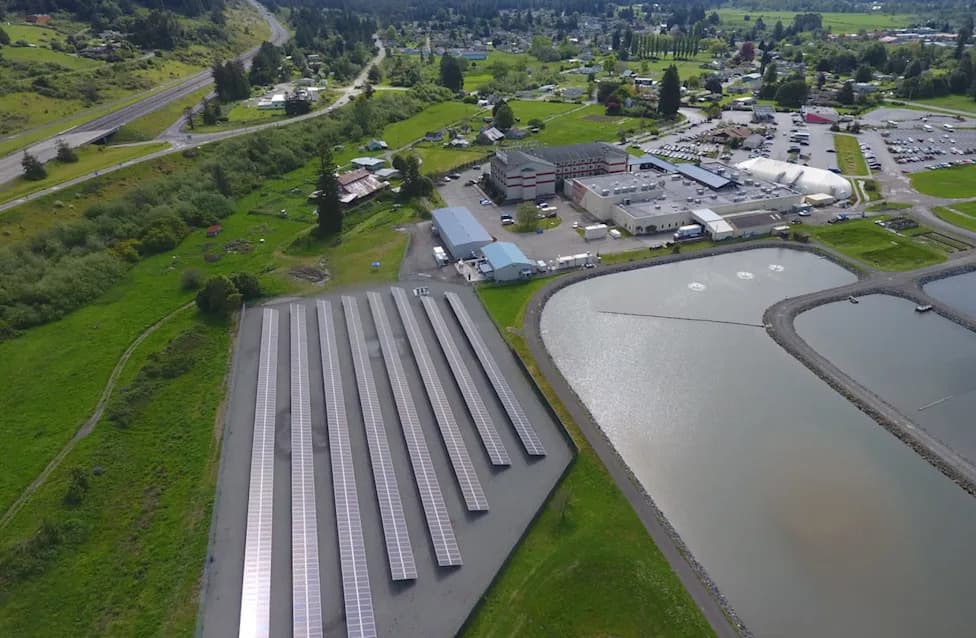
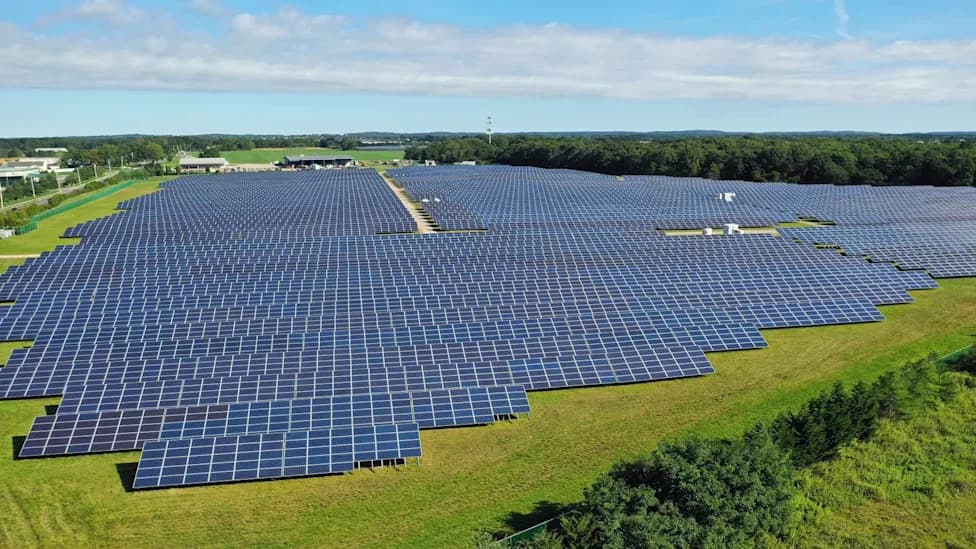
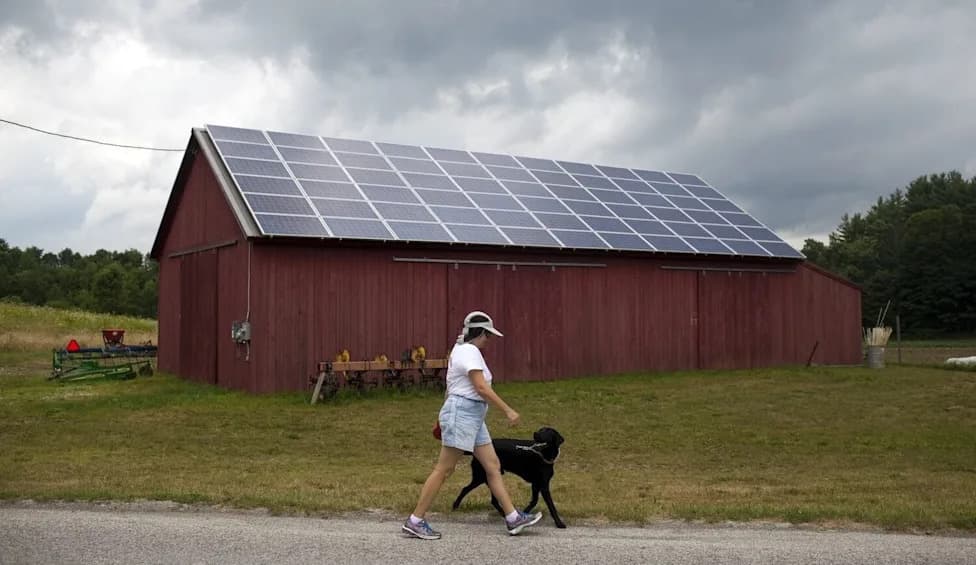
Across rural America, opponents of utility-scale solar often claim large arrays are consuming valuable farmland. New York state officials and independent research paint a different picture: solar can coexist with agriculture, provide income to landowners, and help preserve farmland from permanent development.
State Rebuttal and Research Findings
After the federal government accused New York of fast-tracking solar projects on prime farmland, state leaders issued an 11-page rebuttal arguing that renewables "empower our farmers to keep their land in use and in their family, while avoiding the threat of permanent conversion or abandonment." They note that solar leases are typically temporary and that land can be returned to agriculture once a project reaches the end of its life.
New York cited a Cornell study showing the large majority of farmers who received solar-lease payments used that income to continue or even expand farming on the same land, rather than exit agriculture. The state also pointed to guidance from the New York State Energy Research and Development Authority (NYSERDA) that documents multiple examples of co-location strategies.
How Solar and Farming Coexist
NYSERDA's guidebook highlights real-world examples: sheep and cattle grazing beneath panels, pollinator-friendly plantings, and experimental crop production such as tomatoes and saffron thriving under arrays. An Illinois farm described panel-adjacent grazing that reduced the need to maintain distant pastures, and researchers continue to explore crop and native-plant compatibility with solar.
Industry data: The Solar Energy Industries Association (SEIA) estimates solar farms cover about 0.13% of New York's federally designated prime farmland and roughly 0.07% of U.S. farmland — a footprint smaller than golf courses or suburban development.
Political and Social Pushback
Despite the data, anti-solar messaging has spread on social platforms. Influencers such as Alexandra Fasulo — who has amassed a large following — and public figures like John Rich have amplified concerns about solar's impact on agricultural and undeveloped land. Critics argue such messaging can mislead landowners and the public about land-use tradeoffs.
Proponents counter that leasing land to solar developers can be an attractive option where water scarcity or economics have made farming unviable — for example, in California's Central Valley, where drought has left many acres fallow. Solar lease income can allow families to hold land in their names and preserve future farming options.
Broader Climate And Policy Context
Supporters note that expanding clean energy reduces reliance on fossil fuels, whose emissions drive the droughts, floods and extreme weather that increasingly threaten agriculture. The debate over land use for solar also sits alongside broader energy-policy shifts: the federal government has taken steps to prop up coal plants and roll back environmental regulations, while researchers highlight health risks from gas stoves and other fossil-fuel impacts.
Quick Industry And Policy Updates
- Coal: The federal government has used emergency authority to keep some coal plants operating and committed roughly $850 million to support coal facilities.
- Gas stoves: A curtailed EPA-funded replacement study still found asthma improvements in households that switched from gas to electric stoves; gas combustion emits benzene and other harmful pollutants.
- Fusion funding: Commonwealth Fusion Systems raised another $1 billion, bringing total funding to about $4 billion as it pursues commercialization.
- Clean-energy funding: Court filings say $7.6 billion in clean-energy funds were canceled for 16 states; filings attribute the cancellations to post-election political considerations.
- EVs and grid tech: Global EV sales rebounded in the second quarter; policy decisions on inverters and EV rebates could affect deployment timelines.
- Resilience tech: Small plug-in batteries are emerging as cost-effective backup power for households during outages.
- Nuclear restarts: Delays at Michigan's Palisades plant highlight challenges for companies trying to restart dormant reactors.
Overall, New York's response frames solar not as a threat to farmland but as one more tool — when properly sited and regulated — to help farmers stay afloat, preserve land ownership, and combat the climate risks that increasingly endanger agriculture.
Help us improve.