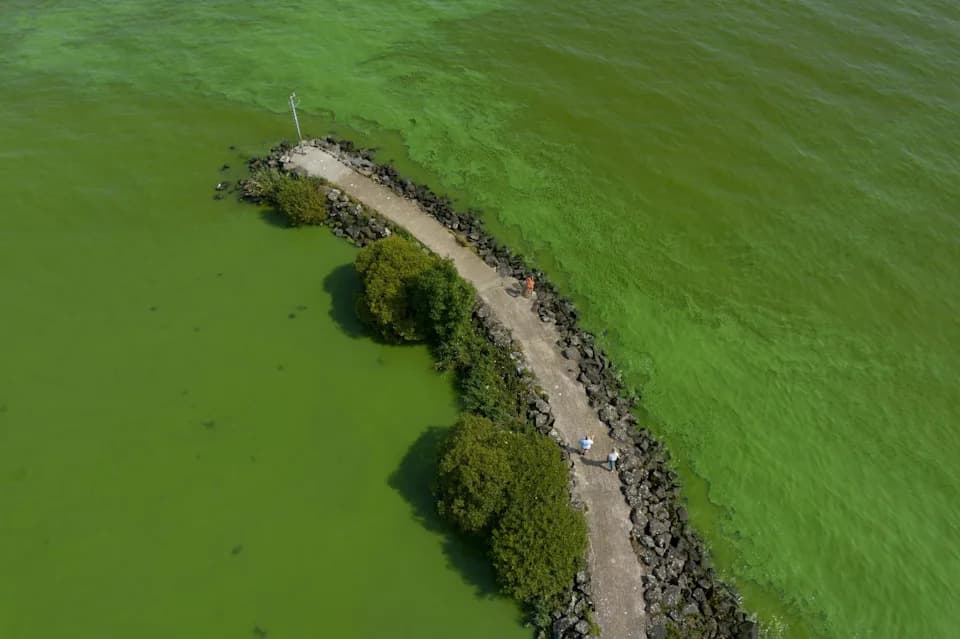
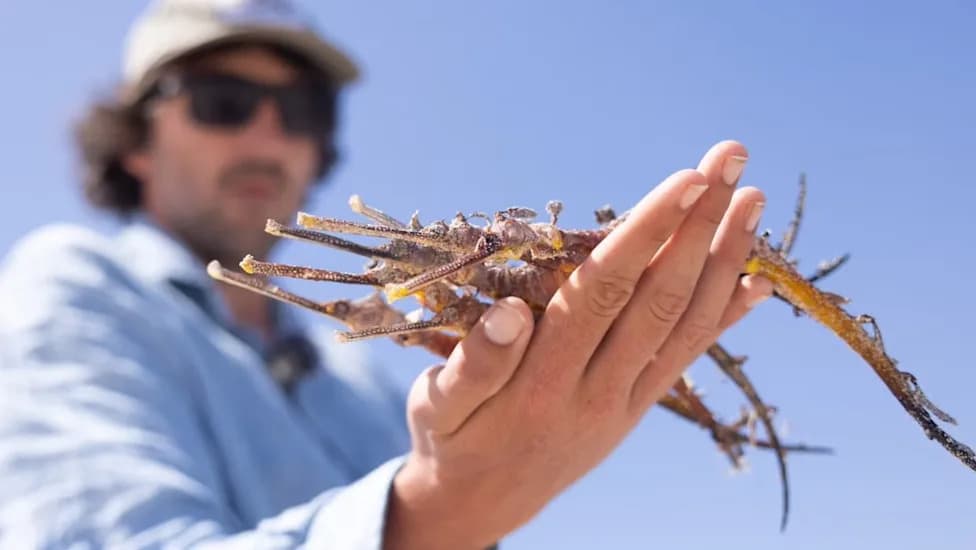
Vast mats of sargassum are smothering beaches across the Caribbean and Gulf of Mexico, with roughly 27 million metric tons recorded in July. Scientists say this is the first time major blooms have begun reproducing locally in the region, seeded by last year's record 40 million-ton event. The algae harms coastal ecosystems, emits foul-smelling and potentially harmful gases, and is weighing heavily on tourism; Mexico pledged $115 million for cleanup while removal capacity remains limited.
Massive Sargassum Blooms Smother Caribbean and Gulf Coasts, Threatening Tourism and Marine Life
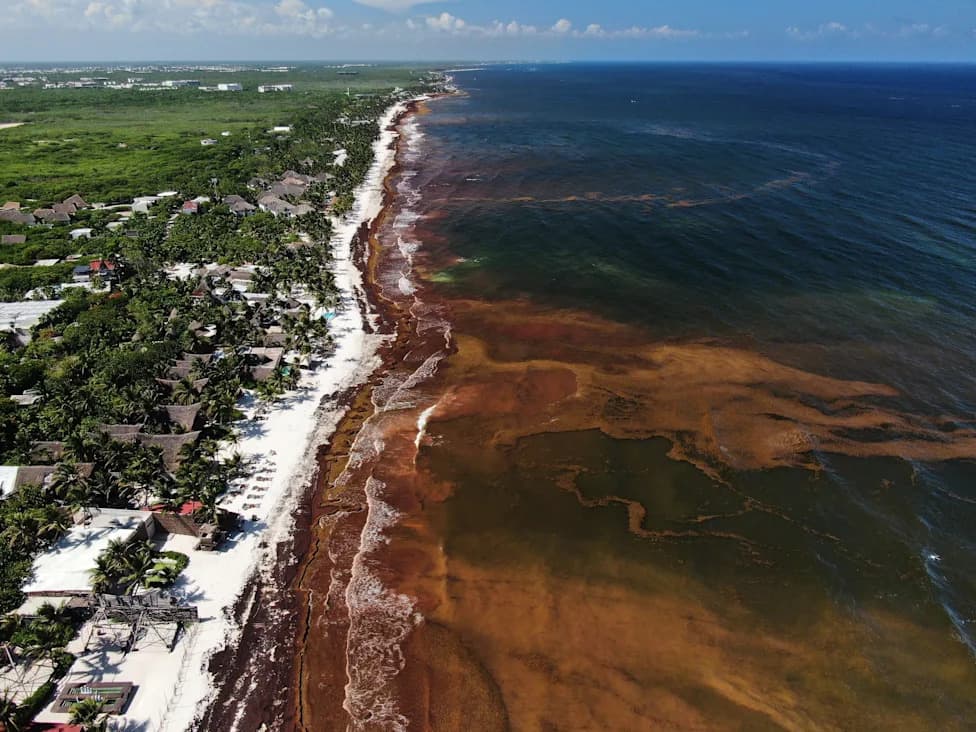
Sargassum gathers in the water off the coast of Tulum, Mexico, Thursday, July 30, 2026. (AP Photo/Fernando Llano)(AP Photo/Fernando Llano)
Coastlines across the Caribbean and the Gulf of Mexico are being overwhelmed by vast mats of sargassum, a coarse brown seaweed that is blanketing beaches, killing nearshore life and driving away tourists in areas that depend heavily on visitor income.
Scale and Recent Trends
Researchers at the University of South Florida's Optical Oceanography Lab reported that about 27 million metric tons of persistent sargassum were present across the Atlantic, Caribbean and Gulf of Mexico in July. Scientists say this is the first time large blooms have proliferated locally in the Caribbean and Gulf areas rather than only being carried there by ocean currents.
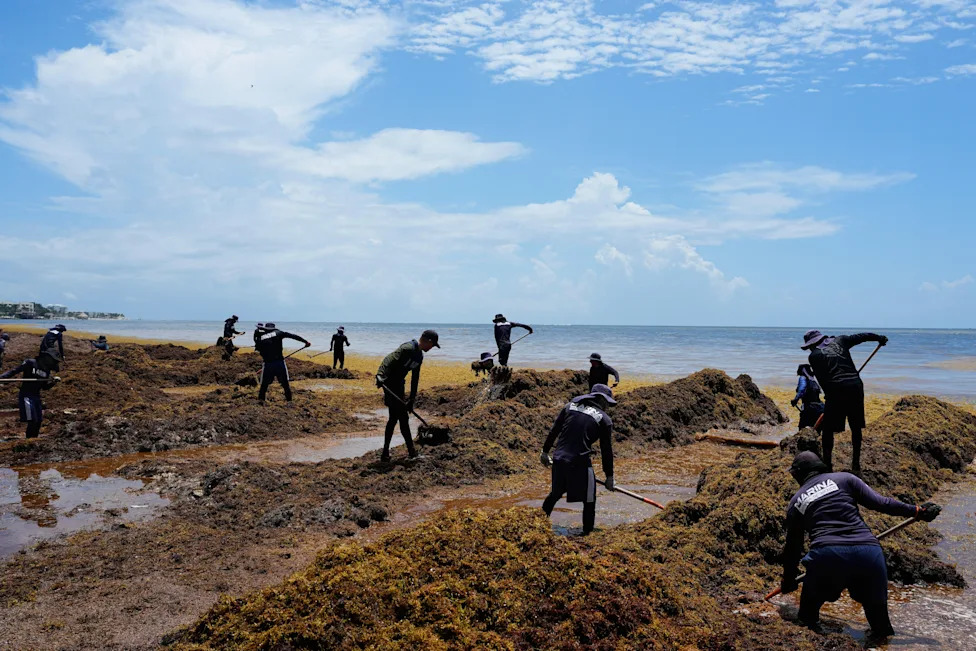
Members of Mexican Navy remove sargassum along the shore of Puerto Morelos, Mexico, Thursday, July 30, 2026. (AP Photo/Fernando Llano)(AP Photo/Fernando Llano)
The Great Atlantic Sargassum Belt has expanded since 2011 and has dumped ever-larger quantities onto coastlines. Experts point to a combination of causes — including agricultural runoff, warming sea temperatures and changing wind, current and rainfall patterns — as likely contributors.
How This Bloom Grew
Scientists say this year's local growth was seeded by a record-breaking 2025 bloom of roughly 40 million metric tons. "The 2025 bloom was so big it never really left. It was enough to start a new bloom locally," said Brian Barnes, a marine scientist and research assistant professor at the University of South Florida. June measurements suggest 2026 could be the second-largest year on record, with about 34 million metric tons observed in that month alone.
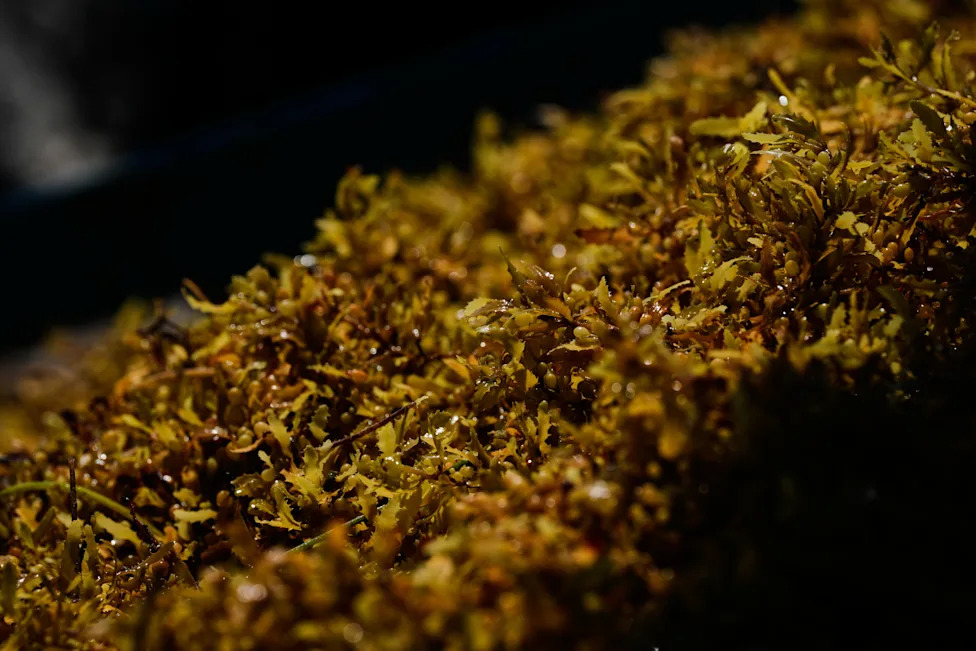
Sargassum gathers in the water off the coast of Tulum, Mexico, Thursday, July 30, 2026. (AP Photo/Fernando Llano)(AP Photo/Fernando Llano)
Environmental and Economic Impacts
In the open ocean, drifting patches of sargassum can provide habitat for turtles, fish and seabirds. But when the algae approaches shore it depletes oxygen in nearshore waters, smothers mangrove roots, blocks sunlight to coral and seagrass, and can prevent newly hatched sea turtles from reaching the ocean. Heavy machinery used to clear beaches can also damage fragile nests.
Decaying sargassum emits ammonia and hydrogen sulfide, producing a rotten-egg odor that can permeate coastal communities. The U.S. Environmental Protection Agency warns these gases can cause nausea, headaches and respiratory irritation. Martinique recently opened a shelter after residents protested exposure to these gases.
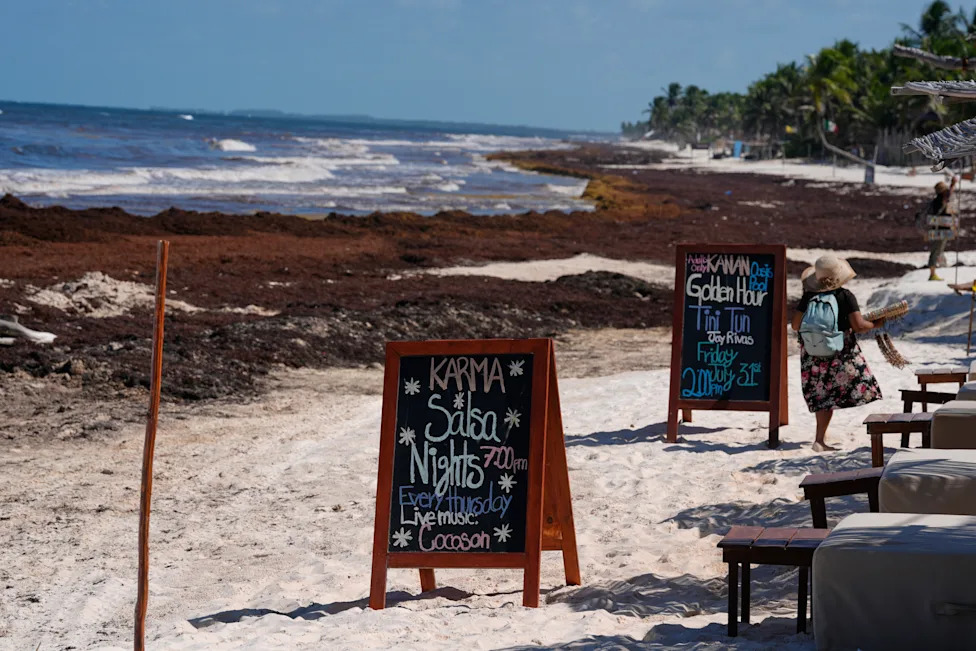
Promotional boards are displayed near to a beach covered with sargassum in Tulum, Mexico, Thursday, July 30, 2026. (AP Photo/Fernando Llano)(AP Photo/Fernando Llano)
Local Impacts and Responses
Mexico announced a $115 million plan to tackle the expanding problem, estimating that up to 9,000 tons can wash onto its Caribbean coastline on the worst days while current removal capacity is about 1,200 tons per day. In Quintana Roo, businesses report steep drops in tourism; local estimates indicate sales fell about 30% in the first half of the year in some areas.
Martinique crews have removed more than 11,500 tons of sargassum this year, using sea barriers to trap algae and shore crews to harvest, store and process much of it for composting and bioenergy. In the U.S. Virgin Islands, residents report walking tens of feet across thick mats of seaweed before reaching the water.
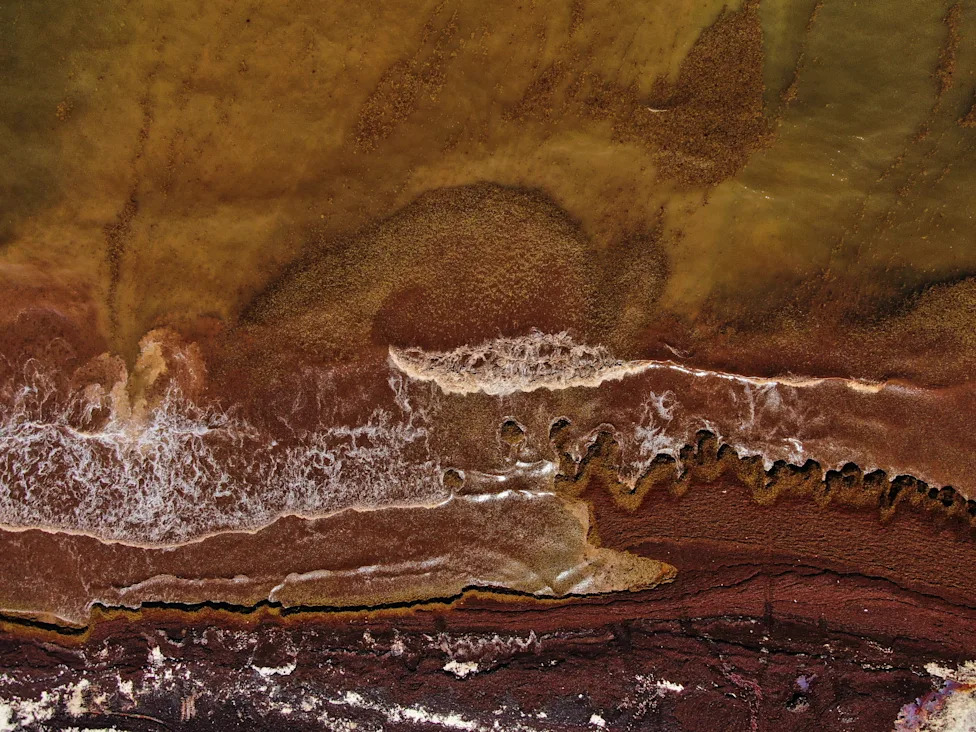
Sargassum covers the coast of Tulum, Mexico, Thursday, July 30, 2026. (AP Photo/Fernando Llano)(AP Photo/Fernando Llano)
Long-Term Trends and Research
Researchers at the University of South Florida and the U.S. National Oceanic and Atmospheric Administration used artificial intelligence to analyze macroalgae blooms and found that between 2003 and 2022 these blooms increased by more than 13% per year in the tropical Atlantic and western Pacific. A recent study estimated blooms covered about 16.9 million square miles (43.8 million square kilometers) overall during that period.
"None of this is normal," Barnes said. "Every year is a little bit of a new story."
Officials, researchers and local communities are racing to improve monitoring, expand removal capacity and develop ways to process collected sargassum sustainably — from compost and fertilizer to bioenergy — while seeking longer-term solutions that address the root drivers of these increasingly frequent blooms.
Help us improve.