The High Court has refused permission for a judicial review, allowing the King's College London Pathways trial of puberty blockers to begin recruiting from 1 August. The NHS England–commissioned study aims to enrol about 226 children aged 11–16 to assess the drugs' effects on bone density, brain development, fertility and mental wellbeing. Regulators and researchers say strengthened safeguards and multi-month specialist assessments will be in place, while campaigners remain concerned about consent and long-term harms.
High Court Clears Way For UK's Pathways Puberty-Blocker Trial To Begin Recruiting

[Getty Images]
A high-profile clinical trial of puberty-delaying medication for young people questioning their gender can begin recruiting after the High Court dismissed a legal challenge brought by campaigners.
Run by King's College London (KCL) and commissioned by NHS England, the Pathways trial is due to start enrolling participants from 1 August and aims to recruit roughly 226 young people aged 11–16 who are already attending specialist gender services in England.
Court Decision
Mr Justice Chamberlain refused permission for a judicial review, concluding that the campaigners' claims had no realistic prospect of success. The judge noted that each child considered for the trial will have been assessed over "many months" by specialist clinicians who must conclude there is a reasonable prospect of clinical benefit from the treatment.
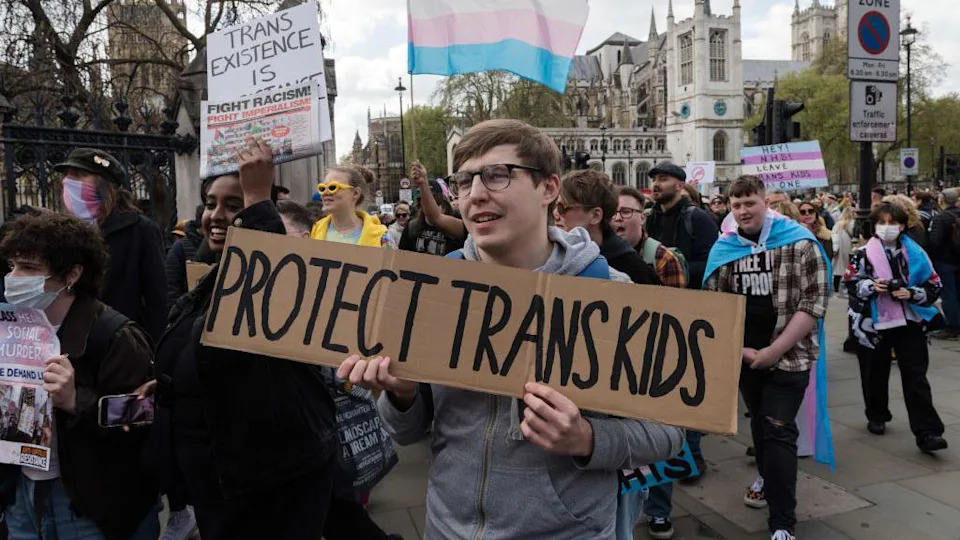
Demonstrators march through central London in a protest against a ban on puberty blockers in London in April 2024 [Getty Images]
What the Trial Will Do
The Pathways study was commissioned after the 2024 Cass review concluded that the evidence supporting routine use of puberty blockers in young people was "remarkably weak." The trial aims to produce higher-quality evidence on the possible benefits and risks of puberty blockers, including their effects on:
- Bone density
- Brain development
- Fertility
- Mental wellbeing
Researchers say every participant and their family will undergo detailed medical and psychological assessments and must demonstrate an understanding of the potential impacts of participation and treatment.
Safeguards and Regulatory Input
The Medicines and Healthcare products Regulatory Agency (MHRA) raised early safety questions after the trial was first announced; subsequent discussions led to strengthened safeguards. Regulators agreed that girls may join from age 11 and boys from age 12, following earlier proposals for a higher minimum age.
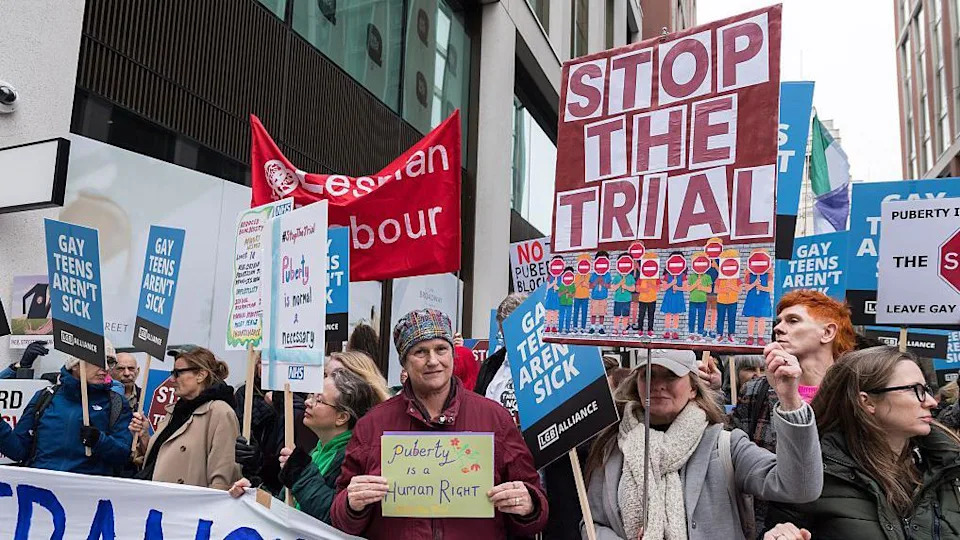
Another protest outside the Department of Health in London to protest against the puberty blockers trial in December 2025 [Getty Images]
Campaigners' Objections
The legal challenge was brought by groups and individuals including the Bayswater Support Group (representing parents sceptical of medical interventions), psychotherapist James Esses, and Keira Bell, who has described her own experience of taking puberty blockers as a teenager before later detransitioning. Campaigners argued the trial's safeguards were inadequate and questioned whether children can give fully informed consent for participation.
Keira Bell: "It's a tragedy that the court has refused permission for this challenge to proceed," she said, warning that ethics and medicine do not always align.
Background And Next Steps
The government banned routine new prescriptions of puberty-blocking drugs for children's gender care across the UK in response to the Cass review; children already on treatment were allowed to continue, while new prescribing can now occur only within a controlled clinical trial such as Pathways.
With the legal challenge dismissed, researchers plan to resume recruitment. The trial's findings are intended to inform clinicians, families and policymakers about the balance of risks and benefits for young people considering puberty-delaying treatment.
Help us improve.