Testing of a private well in Tiverton, Rhode Island, found PFAS at 108 parts per trillion — far above the state's guidance of 20 — prompting the Reffelt family to question whether the contamination, linked to firefighting foam at the nearby Crandall Road fire station, could have contributed to the late Bob Ferzan's 2007 cancer. State officials advised the family to stop using the well; DEM plans to install a filtration system and is coordinating treatment for nearby homes. The town and state disputed who should notify residents, and Tiverton is providing bottled water at the fire station while remediation continues.
PFAS Measured at 108 in Tiverton Well — Widow Wonders If 'Forever Chemicals' Played a Role in Husband's Cancer
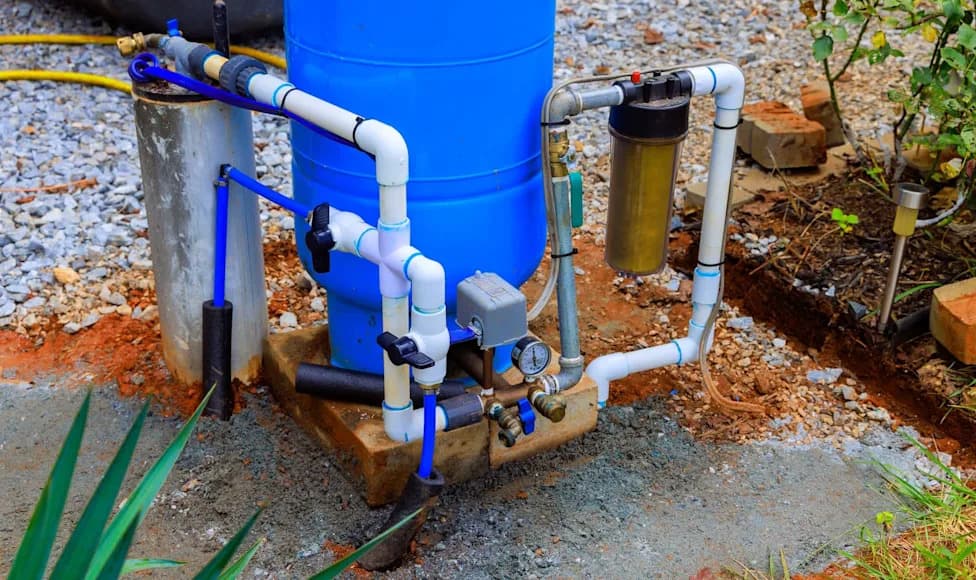
Photo Credit: iStock
Michelle Reffelt revisited the death of her first husband after receiving a letter that prompted testing of the family's private well in Tiverton, Rhode Island. Results showed PFAS contamination at 108 parts per trillion — well above the state's guidance level of 20 — raising new questions for a family still processing a loss from nearly two decades earlier.
What the Tests Found
State testing identified PFAS in the Reffelt family's well at a level of 108 parts per trillion, and the Rhode Island Department of Environmental Management (DEM) linked the contamination to firefighting foam previously used at the nearby Crandall Road fire station. Officials advised the family to stop using the well immediately for drinking and cooking.
Family Reaction
“He was a very healthy person,” Reffelt told WPRI about her late husband, Bob Ferzan. “He didn't drink, he didn't smoke. He did all the right things — he went and worked out at the gym.”
Ferzan was diagnosed with cancer in 2007 after severe abdominal pain and died within a year. While the presence of PFAS in the well does not prove it caused his cancer, Reffelt said the discovery has given her a potential explanation for what happened so suddenly.
Immediate Impact
After being told to stop using the well, the family became reliant on bottled water. Reffelt estimated they purchase four to six gallons a week and described how daily life changes when you can no longer rely on a household water supply.
Official Response and Ongoing Remediation
The DEM has told the Reffelts it will install a filtration system to remove PFAS from their well. The agency is also working with a private contractor to install treatment systems at homes within roughly half a mile of the Crandall Road station. In the short term, the town of Tiverton is providing clean water to affected residents at the fire station.
Responsibility for notifying residents became a point of contention: a DEM spokesperson said notification was the town's responsibility, while Tiverton Town Administrator Patrick Jones said the state informed residents before town officials were fully briefed. “We know the problem now, and I want to move forward to correct this problem with all of the stakeholders so we can get this done,” Jones said.
About PFAS
PFAS (per- and polyfluoroalkyl substances) are persistent man-made chemicals used in products such as certain firefighting foams, food packaging and some nonstick coatings. They are often called “forever chemicals” because they break down very slowly in the environment. Some PFAS have been linked by studies to health problems, including certain cancers, though linking an individual illness to a specific exposure can be difficult and requires further study.
Next steps: The DEM and local officials are coordinating installations of filtration systems for affected homes and continuing outreach to residents in the area. The Reffelt family is awaiting the installation and any follow-up testing that will determine when their water is safe to use again.
Help us improve.