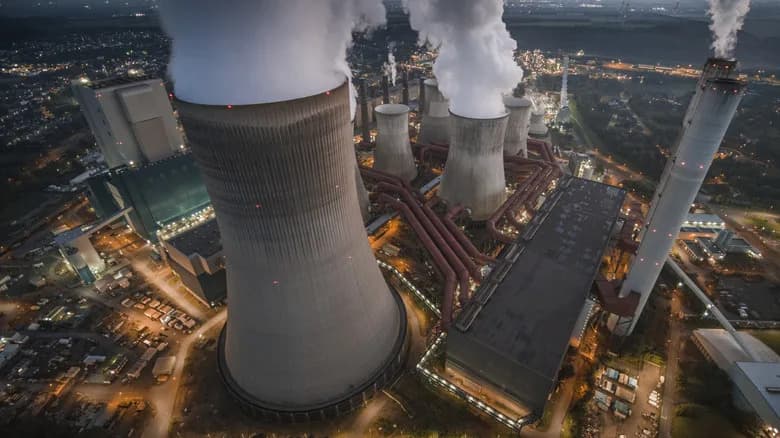
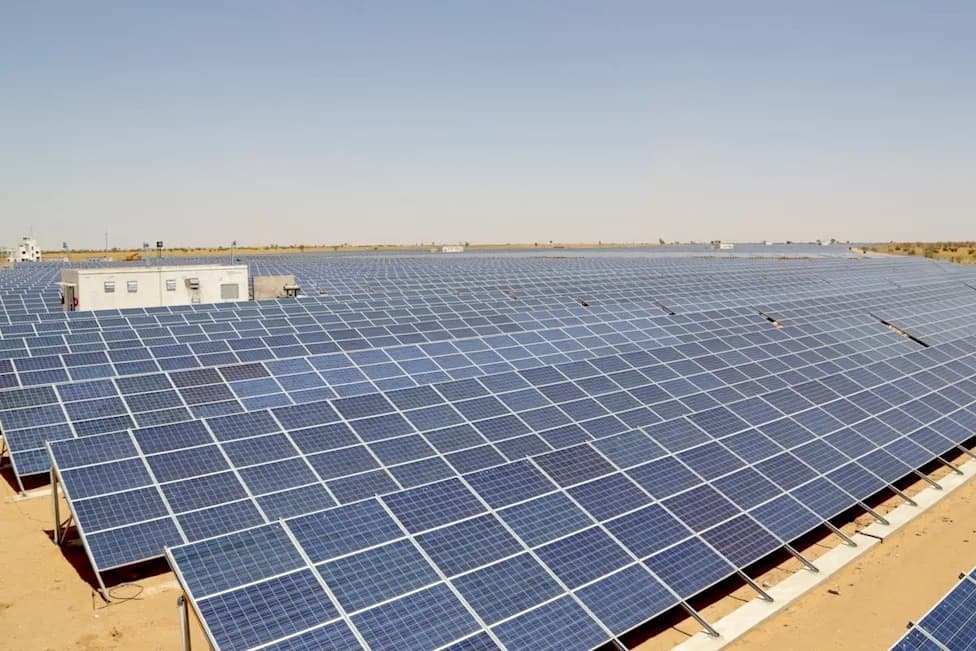
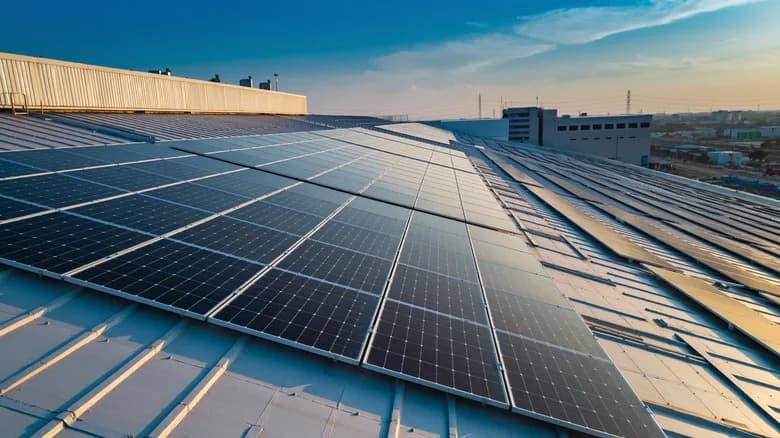
China is on track for installed solar capacity to overtake coal-fired capacity this quarter after solar reached 1,274 GW at end‑June, just shy of coal’s 1,275 GW. The China Electricity Council says renewables drove most new capacity additions, with non‑fossil generation up 8.5% in H1 2026 and accounting for 70.7% of incremental growth. Coal’s share of electricity fell to 49.7%, while renewables supplied 41.2% (wind and solar nearly 25% combined). Nonetheless, coal remains important for industry and grid reliability.
China’s Solar Capacity Poised to Surpass Coal This Quarter — A Milestone for Renewables
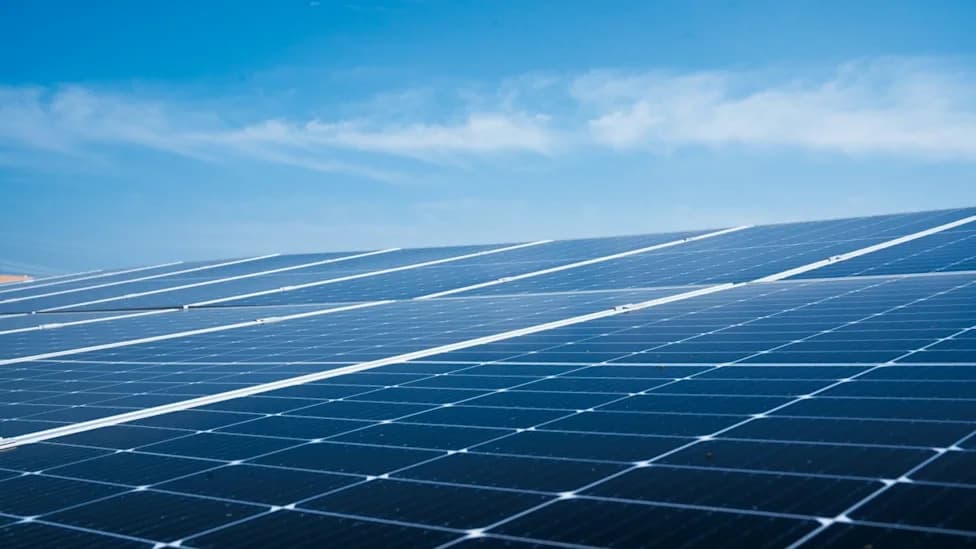
China's Solar Capacity Set to Overtake Coal This Quarter
Chinese authorities report that installed solar power capacity could exceed coal-fired generation capacity as early as this quarter, a significant shift in the nation’s electricity mix.
At the end of June 2026, installed solar capacity stood at 1,274 gigawatts (GW), narrowly below coal-fired installed capacity of 1,275 GW. The China Electricity Council (CEC) said in its mid-year report that, by the end of June, total solar capacity had effectively tied coal as the country’s largest primary power source.
“By the end of June, total solar power capacity had caught up with coal, effectively tying it as the country's largest primary power source,” the CEC said.
The CEC and the National Energy Administration (NEA) reported that renewable sources — led by wind and solar — were the main drivers of new capacity additions. In the first half of 2026, China’s total non‑fossil energy power generation grew by 8.5% year‑on‑year, and the incremental growth from non‑fossil sources accounted for 70.7% of the nation’s total incremental power generation, according to Hou Wenjie, director of statistics and data intelligence at the CEC.
Official NEA figures show coal’s share of electricity output fell below 50% for the first time on record, averaging 49.7% of total generation in H1 2026. At the same time, renewables supplied 41.2% of electricity, with wind and solar together producing almost a quarter of total power output.
Despite these milestones, China continues to rely on coal to meet the needs of energy‑intensive industry and to maintain grid stability and reliability during peak demand and intermittency of renewables. Analysts say the transition will continue to require investment in grid upgrades, storage, and flexible generation.
Implications: If solar does overtake coal in installed capacity this quarter, it underscores China’s rapid deployment of renewables and will have implications for domestic policy, power markets, and global clean‑energy supply chains. However, capacity does not yet equal instantaneous generation, and coal remains essential for balancing and heavy industry.
Help us improve.