Hungary is preparing to shut down the Paks nuclear power plant for the first time after the Danube fell to record-low levels, compromising the reactors' cooling supply. The plant is operating at about 965 MW versus its normal 2,000 MW, and a full shutdown would be triggered if the river gauge reaches –134 cm. Officials say the shutdown can be done safely, but the outage could last weeks amid an extended Central European drought. The government has asked heavy industry to cut consumption and ordered energy-saving measures in state institutions.
Hungary May Shut Paks Nuclear Plant as Danube Falls to Record Lows
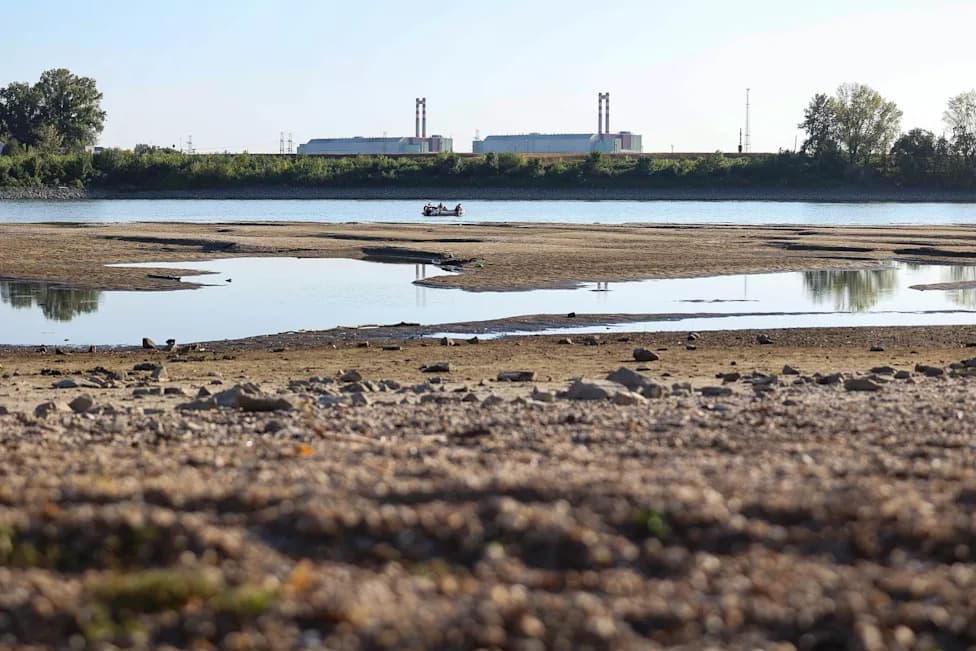
The MVM Paks Nuclear Power Plant, which had to close its Reactor 3 due to extremely low water levels on the Danube River, is seen in Paks, Hungary, Wednesday July 29, 2026. (Daniel Kiss)(Daniel Kiss/MTI via AP)
Hungary is preparing to power down its only nuclear facility for the first time after water levels on the Danube River fell to record lows, Prime Minister Péter Magyar said Friday. Officials warned the Paks plant may remain offline for several weeks as the river is expected to keep receding.
Output Cut and Cooling Challenges
The Paks nuclear power plant, about 90 kilometers (50 miles) south of Budapest, is operating at under half capacity — producing roughly 965 megawatts instead of its usual 2,000 megawatts. The station’s four Soviet-built reactors rely on Danube water for cooling, and the exceptionally low river level has strained the pumps that draw water into the facility.
Planned Shutdown And Safety
Speaking at a news conference at the plant, Magyar said further reductions in output were expected and that the entire site would likely be powered down by Tuesday or Wednesday. He emphasized that the shutdown can be carried out safely and poses no danger to the public or the environment.
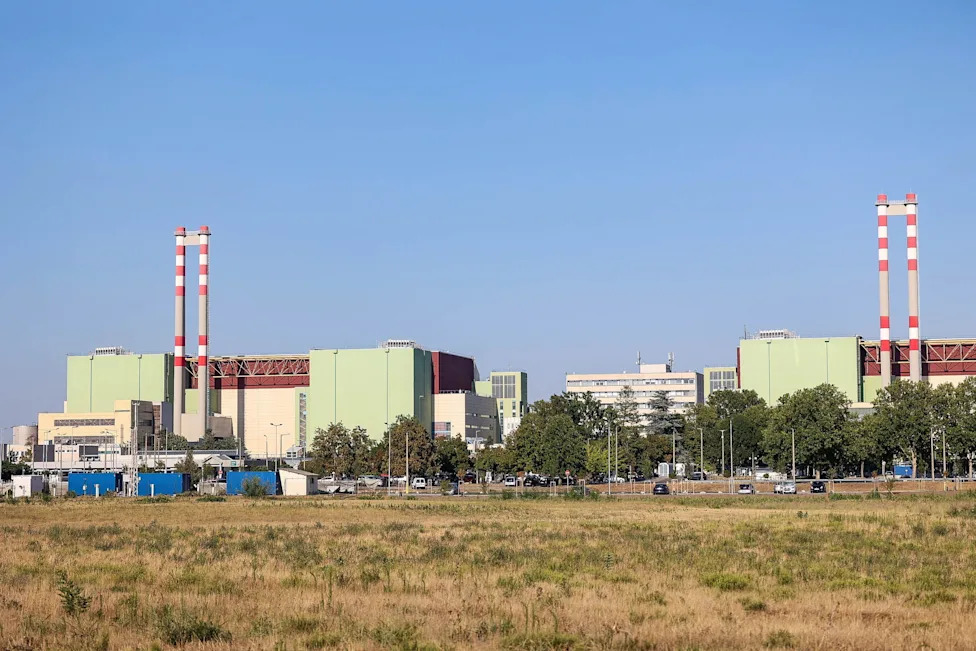
The MVM Paks Nuclear Power Plant, which had to close its Reactor 3 due to extremely low water levels on the Danube River, is seen in Paks, Hungary, Wednesday July 29, 2026. (Daniel Kiss)(Daniel Kiss/MTI via AP)
How Low Is The Danube?
Officials warned the river gauge at Paks could drop to as low as –144 cm (–57 in), well below the previous low of –98 cm (–39 in) set in 2018. A reading of –134 cm would force a full shutdown; a negative number indicates the river has fallen below the gauge’s zero reference point, not that the river is dry.
Wider Impact And Energy Measures
Much of Central Europe has been affected by an extended drought that has disrupted tourism, agriculture and industry. Meteorologists say no significant rainfall is expected in the coming days or weeks. To stabilize supply, the government has asked large industrial consumers to voluntarily reduce electricity use, particularly during peak hours between 5 p.m. and 10 p.m.
Energy conglomerate MOL pledged to reduce its consumption by about 65 megawatt-hours, a cut the government described as roughly 40% of its typical use. Magyar also recommended suspending parliamentary sessions planned for Monday and Tuesday and ordered state institutions to turn off decorative lighting to conserve energy.
Context: If Paks is fully powered down, it will be the first complete shutdown in the plant’s 44-year history and would remove nearly half of Hungary’s electricity generation from the grid while the drought persists.
Help us improve.