President Trump announced broad tariffs on more than 80 countries using Section 301 of the Trade Act of 1974, after IEEPA-based levies were struck down earlier this year. Legal challenges are mounting: experts note courts have historically deferred to Section 301, improving the administration’s odds, while challengers say the measures were rushed and overly broad. The lawsuits will test whether agencies followed proper procedure and whether the scope of the findings is lawful. Observers also warn of geopolitical fallout, with potential strategic benefits for China.
Will Trump’s New Section 301 Tariffs Withstand Court Challenges?
Debatable: Will Trump’s new tariffs be overturned?
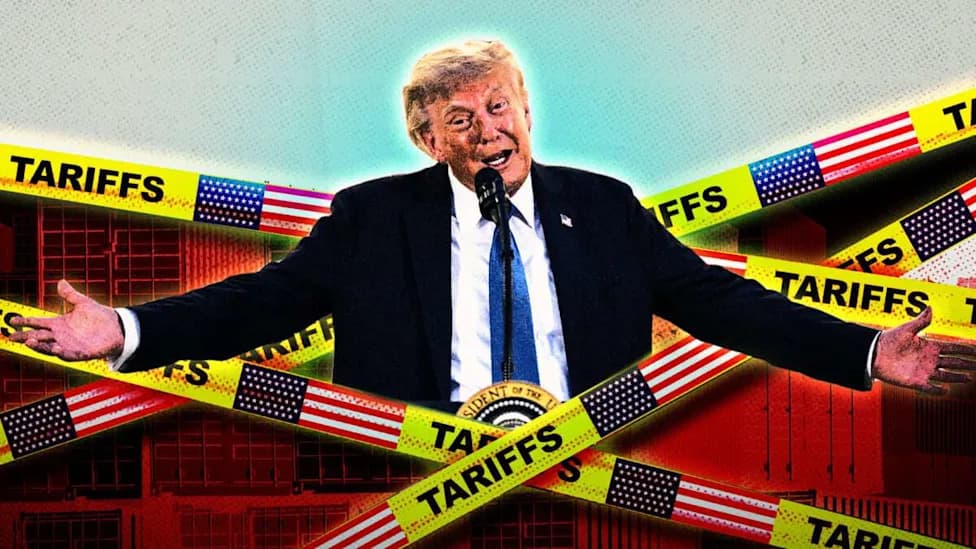
It has been a week since President Donald Trump announced sweeping tariffs affecting more than 80 countries, this time invoking Section 301 of the Trade Act of 1974 — a different legal basis than the IEEPA-based levies the Supreme Court struck down earlier this year.
Legal Battle Lines Are Already Forming
Several lawsuits have been filed challenging the new tariffs. Legal analysts say the administration may have stronger defenses because Section 301 has historically drawn significant judicial deference to the executive branch. Still, plaintiffs argue the measures were rushed and disproportionately broad, creating plausible grounds for successful challenges.
Arguments From Both Sides
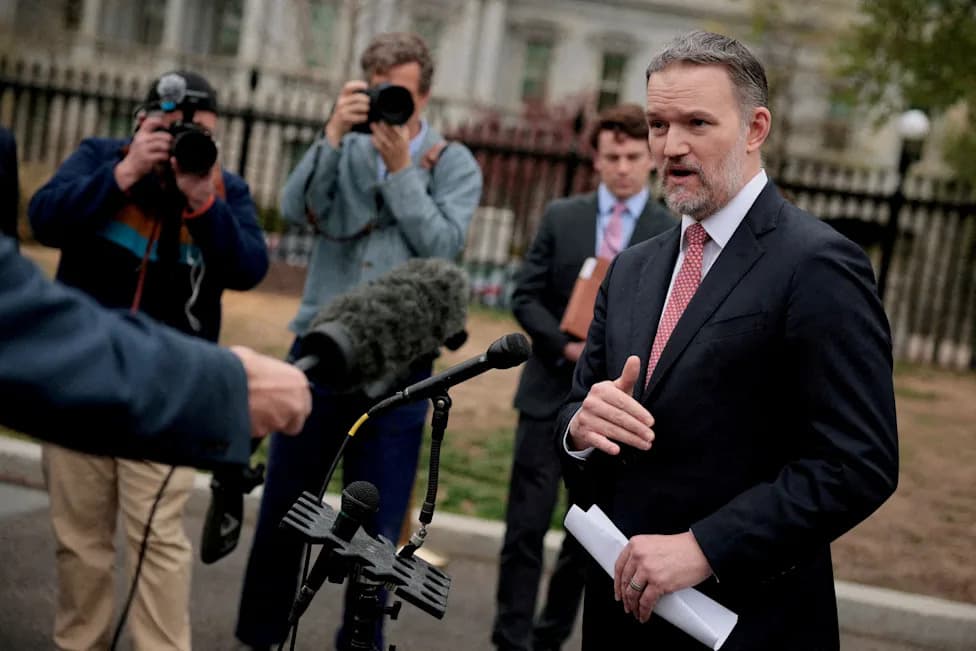
Nick Baker, managing director at advisory firm Kroll, noted that courts have often sided with the executive in long-running Section 301 matters and that recent judicial actions — including the Supreme Court's decision not to take up a Section 301 case in 2026 — suggest substantial deference to agencies such as the United States Trade Representative (USTR) and Commerce.
“The judicial precedent for Section 301...shows courts have almost always sided with the executive branch,” Baker said, adding that the statute grants agencies wide latitude to identify and address unfair trade practices.
Alex Jacquez, senior vice president for policy at Groundwork Collaborative and a former Biden aide, agreed that Section 301 is broad but warned courts could be asked to review procedural distortions and political motivations behind the findings.
“There is pretty wide latitude to tariffs under 301,” Jacquez said. “The question is whether the distortions of the process go too far for the court to allow.”
Sara Albrecht, chair and CEO of the Liberty Justice Center, which represents small businesses suing over the tariffs, argued the administration's application is an unlawful overreach despite Section 301 being a valid statute.
“We won the IEEPA case, so we have background. This is different, but the delegation of broad power and the speed — deciding to levy tariffs covering 99.4% of U.S. imports in 82 days — is absurd,” Albrecht said.
What's At Stake
The litigation will focus on whether the executive branch followed required procedures and whether the findings supporting the tariffs are sufficiently specific and lawful. Courts may also weigh political context and whether the administration is effectively using Section 301 to achieve policy goals that previously relied on IEEPA or Section 122.
Observers warn the move carries geopolitical consequences: some analysts say China may emerge relatively stronger as global trade patterns and alliances shift in response to the tariffs.
Bottom line: The new tariffs are likely to face a prolonged legal fight. Section 301’s history of judicial deference makes the administration’s position formidable, but challengers argue the speed, scope, and procedural record provide viable grounds for reversal or narrow rulings by the courts.
Help us improve.