Orange County officials convened in Seal Beach to address a rise in serious crashes involving e-bikes and electric motorcycles. The DA's RIDE SAFELY program, launched by Todd Spitzer, is pursuing parents as part of a strategy to hold adults accountable when juvenile cases are diverted. The office reports four prosecutions of parents and 26 investigations under consideration. Victims highlighted include a 72-year-old woman who required weeks in ICU and rehab and an 81-year-old man who later died; prosecutors are also probing whether some sellers mislabel electric motorcycles as e-bikes to evade rules.
Prosecutors Target Parents as E-Bike, E-Motorcycle Crashes Spike in Orange County
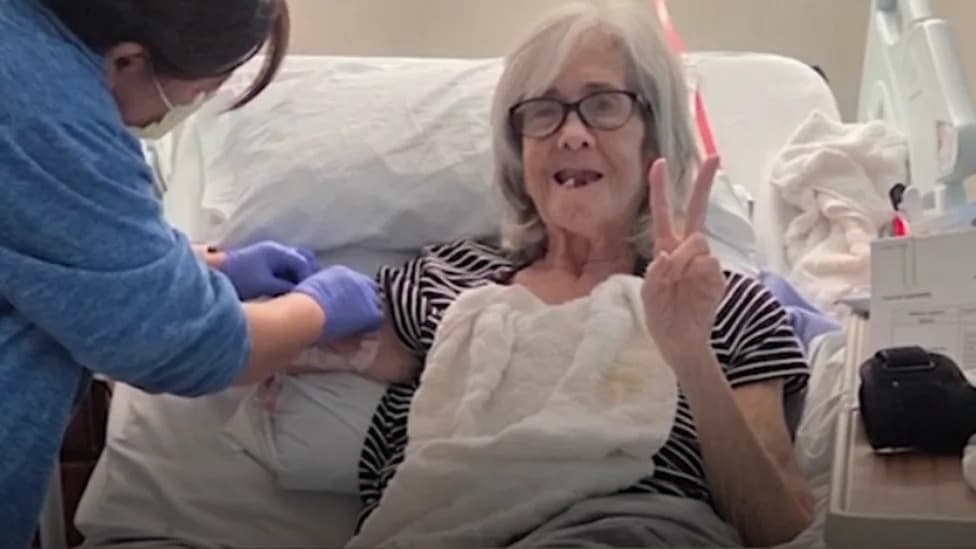
Image Credit: Shannon Potter.
E-bikes and electric motorcycles have become a growing public-safety concern across Southern California. This week the debate moved from neighborhood conversations to a Rotary Club meeting in Seal Beach, where city leaders, police and representatives from the Orange County District Attorney's office discussed a recent surge in serious collisions involving powered two-wheelers.
According to ABC7, the gathering at the Old Ranch Country Club focused on cases from the past year that produced life-changing injuries and at least one reported death. Officials centered much of the discussion on a new enforcement effort aimed at reducing illegal operation of e-bikes and e-motorcycles on public roads.
RIDE SAFELY: A New Enforcement Approach
District Attorney Todd Spitzer launched the RIDE SAFELY program earlier this year to increase accountability for riders who operate e-bikes and electric motorcycles illegally. Senior Deputy District Attorney Elisa Kim told the meeting the strategy now includes pursuing adults — especially parents — who allow minors to ride powerful vehicles unsafely.
Kim reported that the DA's office currently has four active prosecutions against parents and is considering charges in 26 additional investigations. The office says this shift responds to limits of the juvenile system, where even felony-level cases involving minors often end in diversion programs or informal probation rather than stricter penalties.
Why Parents Are Being Targeted
Prosecutors argue many parents under investigation are not merely incidental caretakers but adults who were warned — sometimes by police, sometimes by shops that sold the vehicle — and nevertheless permitted their children to keep riding. By holding adults accountable, officials hope to change behavior that the juvenile system alone has not.
“When minors can avoid serious consequences through diversion, prosecutors say accountability needs another path — and parents who allow unsafe riding can be that path,” Kim told the meeting.
Human Cost: Victims' Stories
The human toll of these crashes was underscored by two cases highlighted at the meeting. Seventy-two-year-old Seal Beach resident Stephanie Potter was struck by a teenager on an e-motorcycle earlier this year. Potter spent two weeks in an intensive care unit and four weeks in a rehabilitation facility; four months later she remains in recovery and continues to experience lasting impacts.
Potter's daughter-in-law, Shannon Potter, told attendees that recovery extends beyond hospital discharge — the long-term physical, emotional and financial effects follow victims home and affect families.
During Potter's recovery period, 81-year-old Ed Ashman was struck by a teen riding an e-motorcycle in Lake Forest and later died from his injuries. Prosecutors filed charges that included involuntary manslaughter against the teen's mother after alleging she allowed her 14-year-old to ride despite repeated warnings.
Broader Investigation Into Sellers
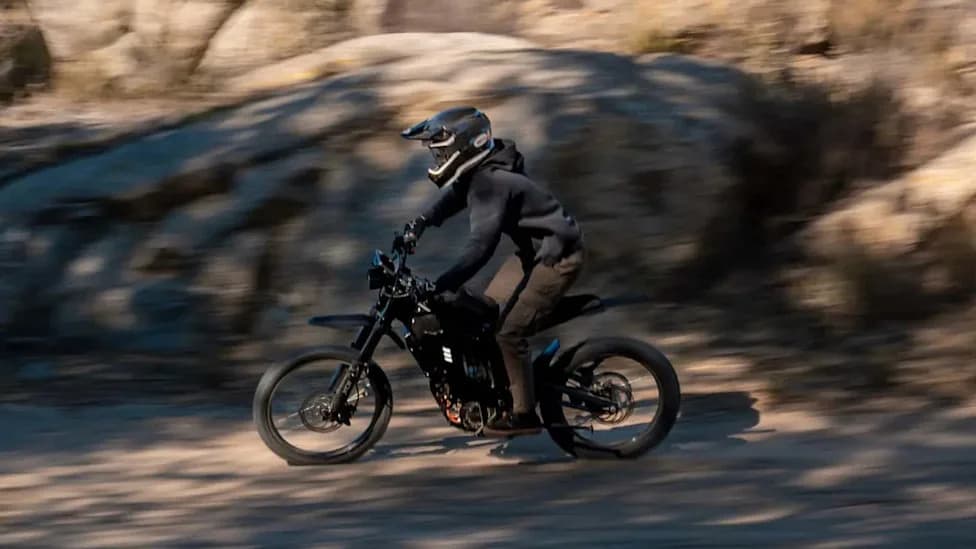
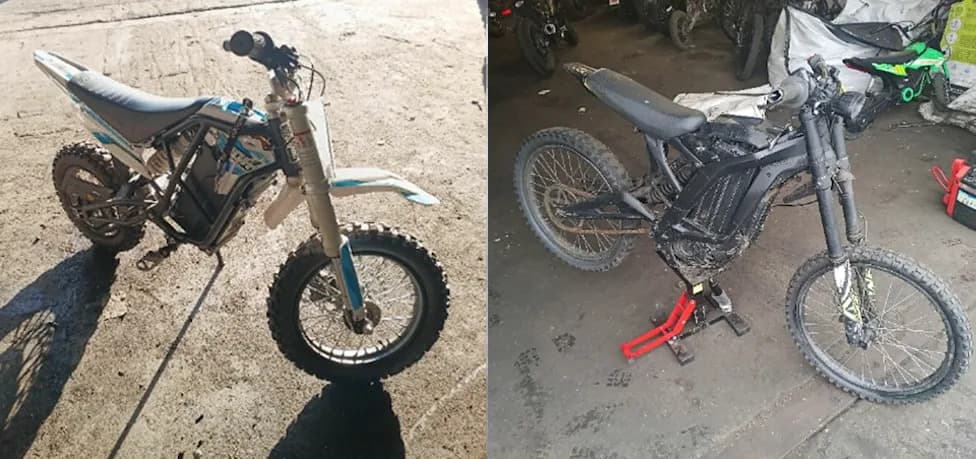
Beyond parents, the DA's office said it is probing whether some manufacturers and distributors have labeled electric motorcycles as e-bikes to avoid licensing, registration and safety requirements — a practice that can obscure enforcement and put riders and the public at greater risk.
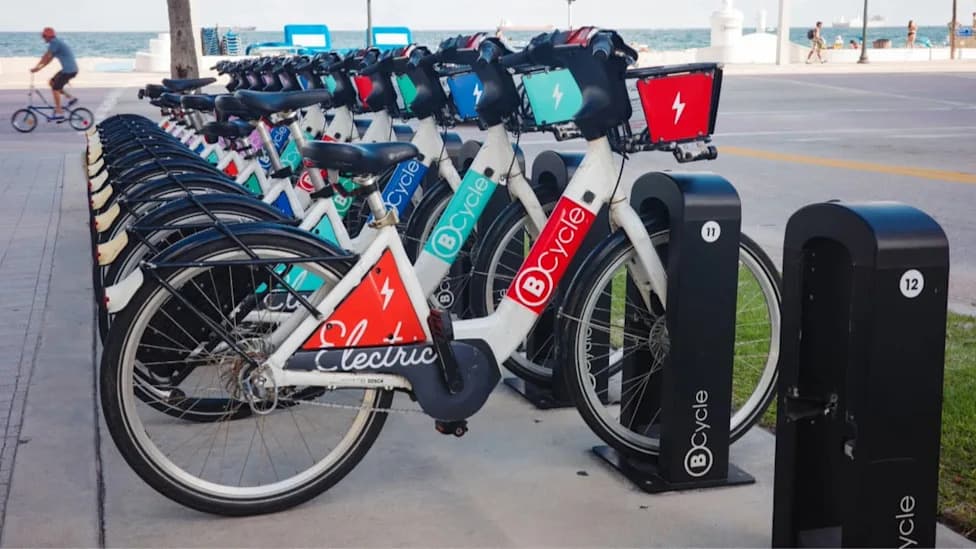
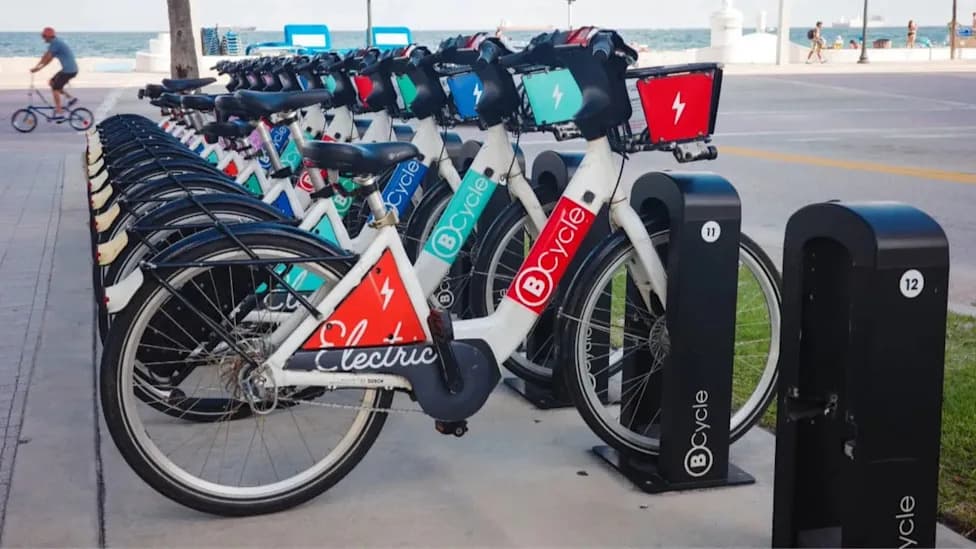
The line between lower-powered e-bikes and faster electric motorcycles has blurred in recent years. Officials say clarifying that distinction — and enforcing the rules that apply to each class of vehicle — will be critical for public safety.
What Comes Next
Whether charging parents and investigating sellers will reduce crashes remains to be seen. But the RIDE SAFELY initiative signals a notable policy shift: prosecutors are expanding enforcement beyond juvenile diversion outcomes and making it clear that claiming ignorance — or relying on a retailer's labeling — will not necessarily shield adults from legal consequences.
For now, the message to families is direct: allowing underage riders to operate powerful electric vehicles can bring civil and criminal exposure, and communities are watching for a change in behavior on the streets.
Help us improve.