The death of a young girl after an experimental gene‑editing treatment at Xinhua Hospital has prompted Shanghai Jiao Tong University School of Medicine to open a formal investigation. Reports say the family paid about $860,000 for an individualized therapy and that the hospital ethics committee found the death "definitely related" to the treatment, while issuing only minor penalties. The case has exposed gaps in oversight of investigator‑initiated trials, triggered a Nature inquiry, and intensified calls for greater transparency and stronger ethical safeguards.
Undisclosed Death in Chinese Gene‑Editing Trial Prompts University Probe and Global Ethics Alarm
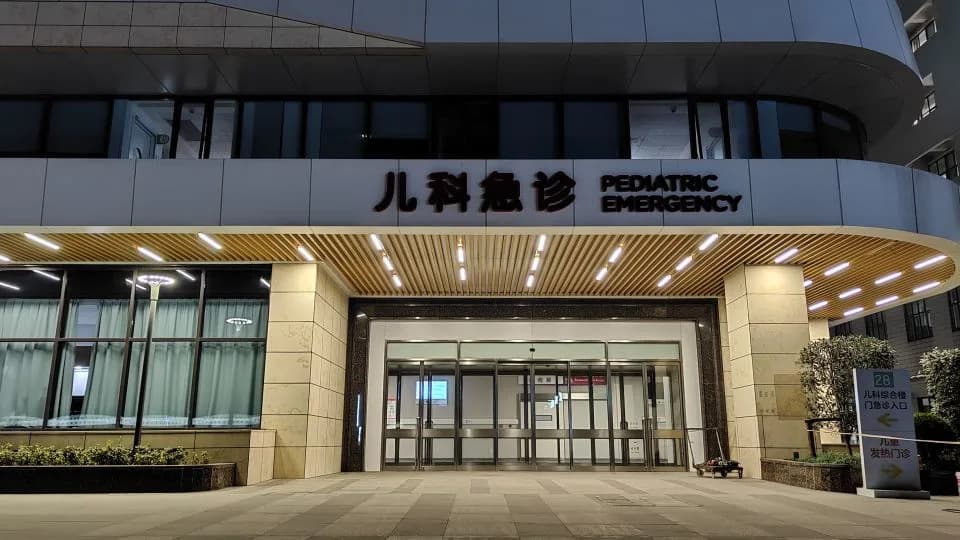
Xinhua Hospital in Shanghai in 2021. - Wang Gang/CFOTO/Future Publishing/Barcroft Media/Getty Images
A formal investigation has been launched after the death of a young girl who received an experimental gene‑editing treatment at Xinhua Hospital, an affiliated hospital of Shanghai Jiao Tong University School of Medicine. The case — first reported by Science and Retraction Watch and later covered by multiple outlets — has raised urgent questions about oversight, informed consent and the governance of investigator‑initiated trials in China’s rapidly expanding biotech sector.
Investigation and Institutional Response
The university says it has formed a working group to "conduct a comprehensive investigation" into the clinical trial performed last year at Xinhua Hospital and into a related scientific paper. The hospital’s ethics committee reportedly concluded the girl’s death was "definitely related" to the experimental treatment but imposed only minor penalties; those findings were not widely publicized. In response to concerns about the related research, Nature has opened an editorial inquiry and added an editor’s note to the paper on July 29.
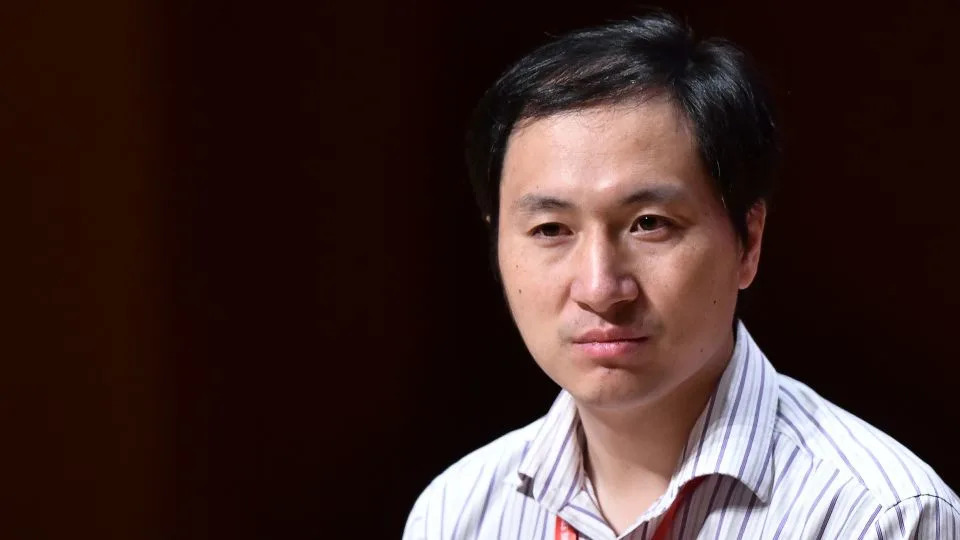
Chinese scientist He Jiankui speaks at an international conference in Hong Kong in 2018, when he defended his research. - Anthony Wallace/AFP/Getty Images
The Trial, The Family And The Treatment
According to reporting by Science, the child had a rare genetic mutation that causes Snijders Blok‑Campeau syndrome, a neurodevelopmental disorder. Her parents say they paid about $860,000 to develop an individualized base‑editing therapy and that clinicians did not adequately warn them of the risk of death. The investigators reportedly told the family the therapy would not produce a "safety catastrophe."
Preclinical studies in mice and monkeys were presented to justify human testing, but some data were described as incomplete or unconvincing by external reviewers. A few days after the procedure in March, the girl developed a high fever and signs of kidney injury, was admitted to intensive care and later died. News organizations note they have been unable to independently verify every element of the family’s account.
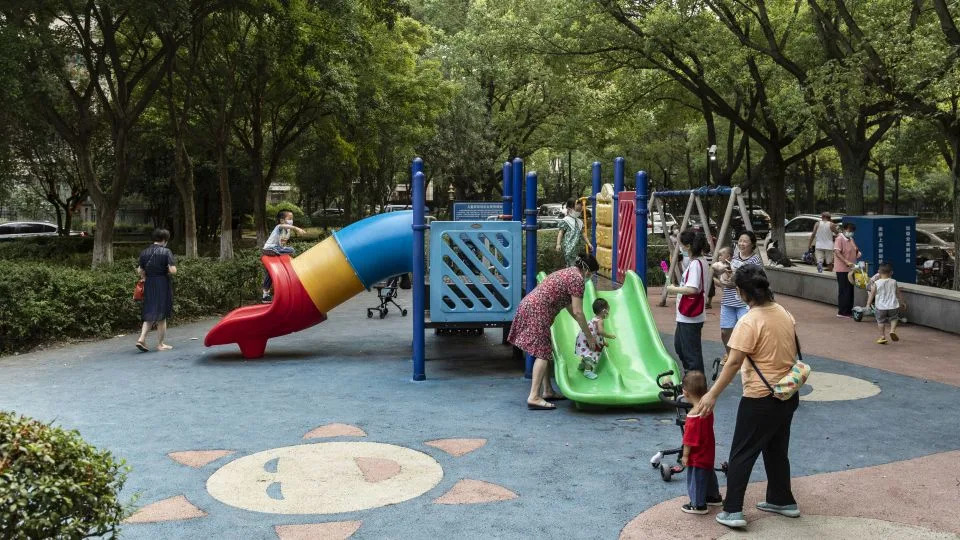
Children play in at a park in Shanghai in 2022. - Qilai Shen/Bloomberg/Getty Images
Regulatory Gaps and Expert Reactions
Experts say the case highlights risks in China’s so‑called dual‑track system, where "investigator‑initiated" trials can proceed with less centralized oversight than commercial pathways. A Shanghai district health authority subsequently fined Xinhua Hospital about $3,600 for supervision and registration failures. Observers including Joy Zhang and Yanzhong Huang have characterized the episode as evidence of persistent weaknesses in transparency, safety and accountability.
"This case is much more worrying ... because it involves well‑established scientists at a top university," said Joy Zhang, underlining concerns that ethical lapses can occur even in prestigious institutions.
Wider Implications
China has moved to tighten rules for advanced biomedical technologies, issuing new national guidance in May to centralize oversight of novel therapies and require reporting of adverse events. Still, critics warn that a balance must be struck between protecting patients and enabling responsible innovation. The episode has renewed calls for clearer trial registration, rigorous preclinical evidence, full disclosure of risks to families and stronger enforcement of ethical standards.
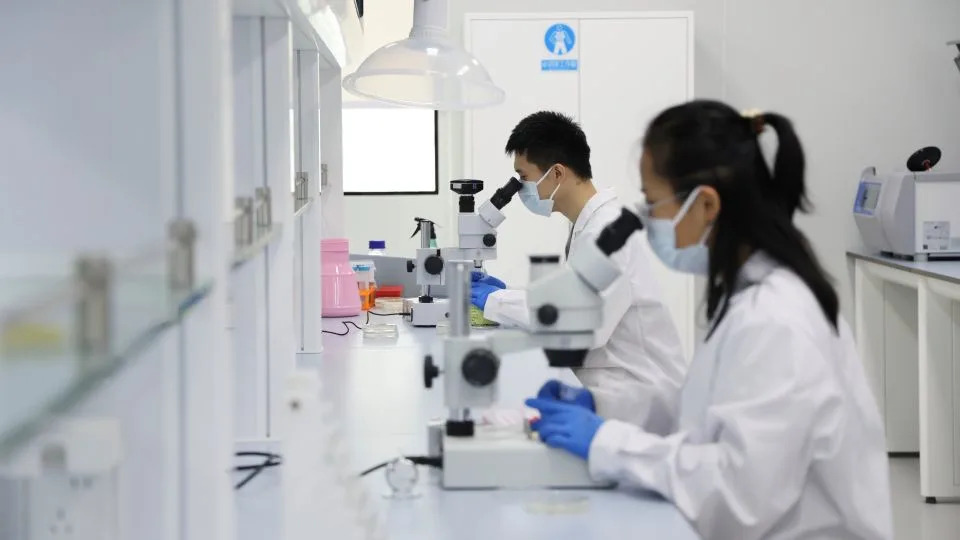
Researchers work at a laboratory at the Research Institute of Tsinghua University in Shenzhen, in Shenzhen last summer. - Liang Xu/Xinhua/Getty Images
What Remains Unclear
Key unanswered questions include the timing and completeness of the preclinical data, the content of the informed‑consent discussions with the family, and why the ethics committee’s findings were not broadly disclosed. The university’s working group and journal investigations may clarify these details.
Note: This account synthesizes reporting from media outlets and official statements. Some elements of the family’s account and institutional records have not been independently verified by every news organization cited.
Help us improve.