Environment Texas Research & Policy Center found microplastics in 76 of 77 Texas waterways tested, with particles detected at 99% of sampled sites. Fibers were the most common type (96%), followed by fragments (69%), film (26%) and nurdles (14%). The report warns that waterways can appear clean while harboring invisible pollution and urges policy actions — from phasing out single-use plastics and a zero-discharge standard for pellets to green infrastructure and washing-machine filters — because individual choices alone are insufficient.
Invisible Pollution: Microplastics Found in 76 of 77 Texas Waterways in First Statewide Survey
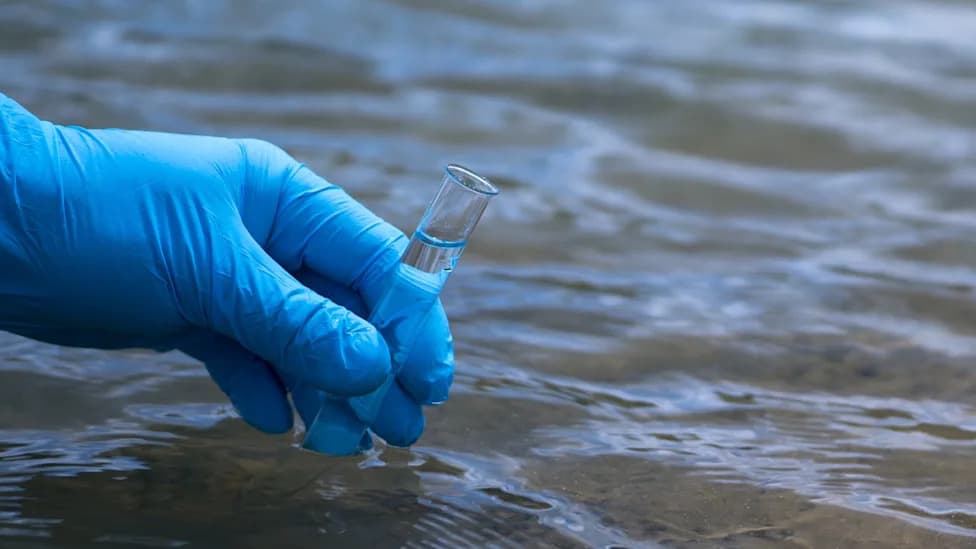
Photo Credit: iStock
A statewide analysis by Environment Texas Research & Policy Center detected microplastics in 76 of 77 waterways tested, revealing that plastic contamination is far more widespread than shorelines alone might suggest.
Key Findings
Researchers combined fresh samples collected at 17 locations with existing data from 60 other waterways to analyze a broad cross‑section of Texas waters — from Brownsville to the Red River — including rivers, reservoirs, state parks, city park ponds and the Gulf of Mexico. Overall, microplastics were detected at 99% of sampled sites.
Volunteers often reported little or no visible plastic litter along banks and shorelines, yet laboratory testing still found microscopic plastic particles in nearly every waterbody sampled. That means recreational users — people who fish, swim, boat or simply spend time near lakes and rivers — may be exposed to contamination they cannot see.
What Are Microplastics?
Microplastics are pieces of plastic smaller than 5 millimeters (less than the length of a grain of rice). They form when larger plastic items fragment and also originate from sources such as synthetic fibers shed by clothing and small industrial pellets known as nurdles.
Material Breakdown
In the samples analyzed, fibers were the most common material (present in 96% of samples). Other types detected included fragments (69%), film (26%) and nurdles (14%).
Why This Matters
Plastic does not biodegrade like compostable material; instead it persists while breaking into ever-smaller pieces. Microplastic pollution has already been documented in distant and extreme environments — from the deep ocean to the summit of Mount Everest — and can harm aquatic ecosystems and raise concerns about human health and food safety.
Policy Recommendations
The report stresses that individual actions alone are not enough and calls for policy solutions to reduce microplastic pollution. Key recommendations include phasing out single-use plastics, opposing policies that expand plastic production and petrochemical infrastructure, and adopting a zero-discharge standard to prevent pellet releases.
Other suggested measures include passing a bottle-deposit (bottle bill), reversing Texas' statewide ban on local bag bans so communities can limit single-use bags, requiring filters in new washing machines to capture synthetic fibers, and investing in green infrastructure — such as rain gardens, permeable pavement and expanded tree planting — to reduce stormwater runoff that carries microplastics into rivers and lakes.
Pellet Pollution
According to the report, Texas is home to 36 facilities that manufacture the plastic pellets used to make consumer products. Researchers estimate that more than 10 trillion pellets enter waterways worldwide each year, and the report endorses stricter monitoring, enforcement and a zero-discharge standard to stop those releases.
“A waterway can look clean and still contain invisible plastic pollution.”
Environment Texas Research & Policy Center urges policymakers to combine regulation, infrastructure investment and producer responsibility to address a pollution problem that is widespread, persistent and largely unseen.
Help us improve.