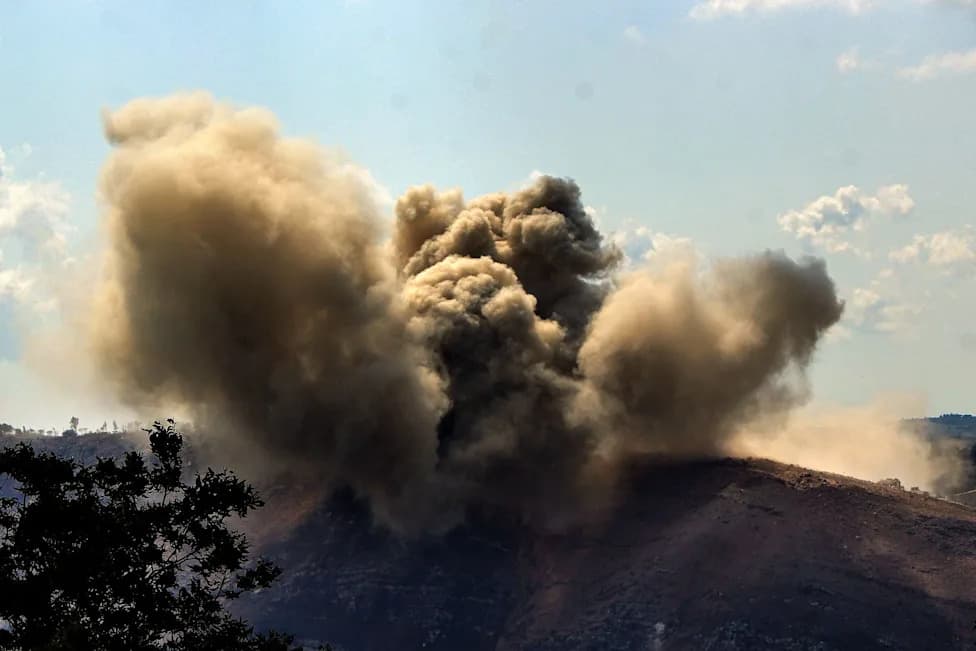
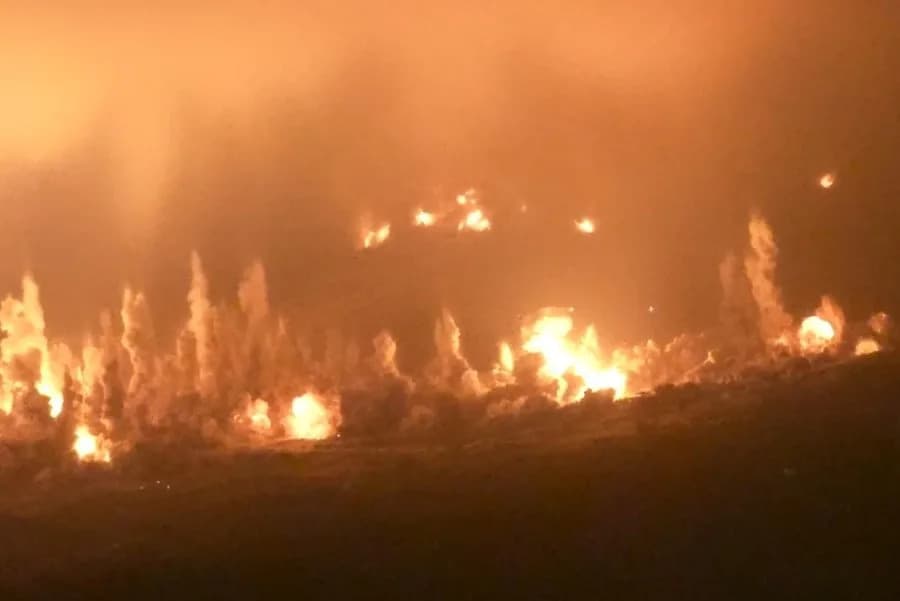
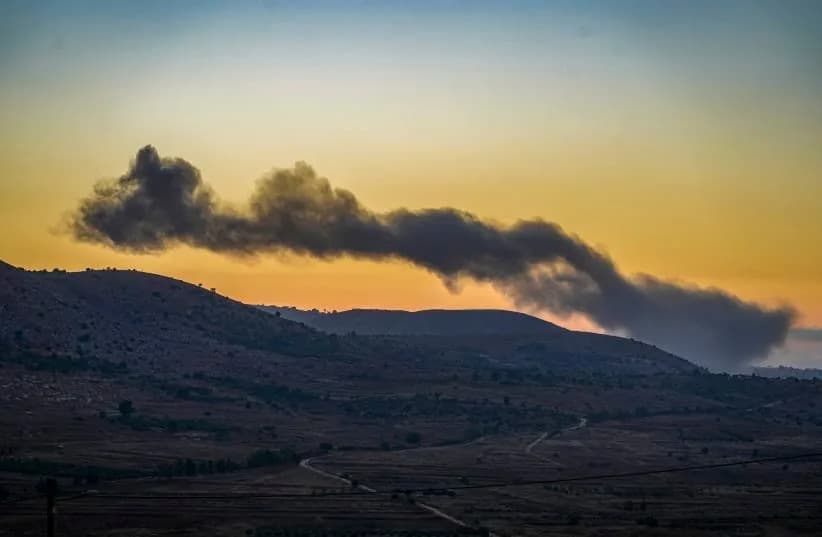
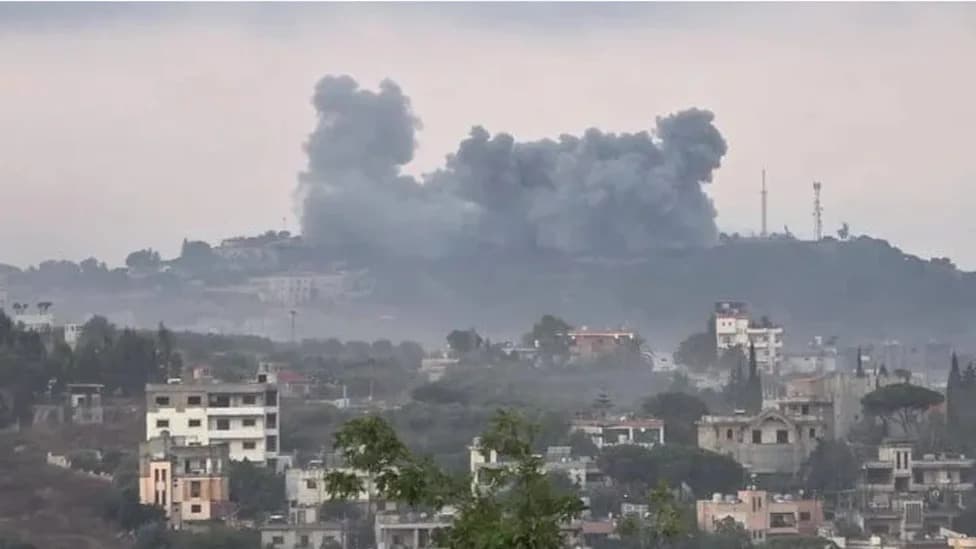
Israel said it destroyed a Hezbollah tunnel network under the Beaufort Castle area in southern Lebanon after accusing the Iran-backed group of carrying out an explosive-laden drone attack that breached the ceasefire. Officials said roughly 700 tons of explosives were used; nearby residents reported shattered windows. Lebanon's antiquities authority said the castle was not destroyed but could not be fully inspected because it remains under Israeli control. Netanyahu and Defence Minister Katz warned that further attacks on Israeli civilians or troops would draw a strong response.
Israel Says It Destroyed Hezbollah Tunnel Network Near Beaufort Castle After Alleged Drone Attack — 700 Tons Used
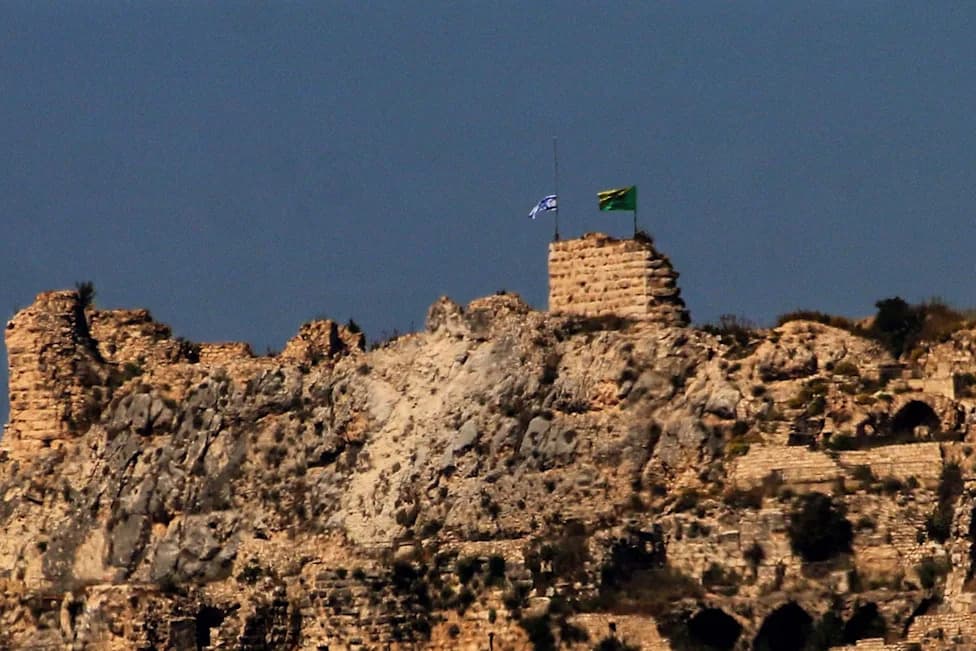
FILE PHOTO - An Israeli flag flies over the historic Beaufort Castle in May. (is associated with: «Israel says it blew up Hezbollah tunnels in Beaufort Castle area») Marwan Naamani/ZUMA Press Wire/dpa
Israel announced it destroyed an underground tunnel network beneath the Beaufort Castle area in southern Lebanon, saying the operation followed an explosive-laden drone attack that it accused the Iran-backed Hezbollah of carrying out in violation of the current ceasefire.
In an early Friday joint statement, Prime Minister Benjamin Netanyahu and Defence Minister Israel Katz said the tunnels were intended for infiltration into Israeli territory and that the Israeli military used about 700 tons of explosives to demolish the subterranean passages.
Local Impact and Heritage Concerns
A resident of the southern Lebanese city of Nabatiyeh told dpa that the blasts were strong enough to shatter several windows. Lebanon's Directorate General of Antiquities said Beaufort Castle (also known as Al-Shaqif Castle) had not been destroyed by the explosions but added that a full assessment could not be carried out while the site remains under Israeli control.
Official Statements and Context
Netanyahu and Katz framed the demolition as a response to what they described as Hezbollah's "blatant" breach of the ceasefire. They warned any attempt to harm Israeli soldiers or civilians would be met with a "harsh and powerful response." According to Israeli statements, Hezbollah launched an explosive-laden drone attack on Wednesday targeting an Israeli military vehicle in southern Lebanon — its first such attack in over a month.
"Any attempt by Hezbollah to harm our soldiers or civilians will be met with a harsh and powerful response," the joint statement said.
Background
Israeli officials said Hezbollah had previously used similar drones before a ceasefire took effect in June, and that such attacks had previously killed Israeli soldiers. Israel has long accused Hezbollah of preparing cross-border incursions — including killings and kidnappings — and has compared those alleged plans to Hamas' October 7, 2023 attack on southern Israel.
The Israeli military has located and destroyed Hezbollah tunnel systems in Lebanon on multiple occasions in recent years, including tunnels that extended into Israeli territory. In late May, Israeli forces captured the 12th-century Crusader fortress of Beaufort Castle, a position that overlooks large parts of southern Lebanon; Israeli commentators described that loss as a significant setback for Hezbollah.
What Remains Unclear
Independent verification of the scope of the tunnel complex and the full effects of the demolition — including any damage to the historic castle or civilian infrastructure — is limited because access to the site is under military control. Local and international observers have not yet published separate assessments of the destruction or the chain of events that led to it.
Help us improve.