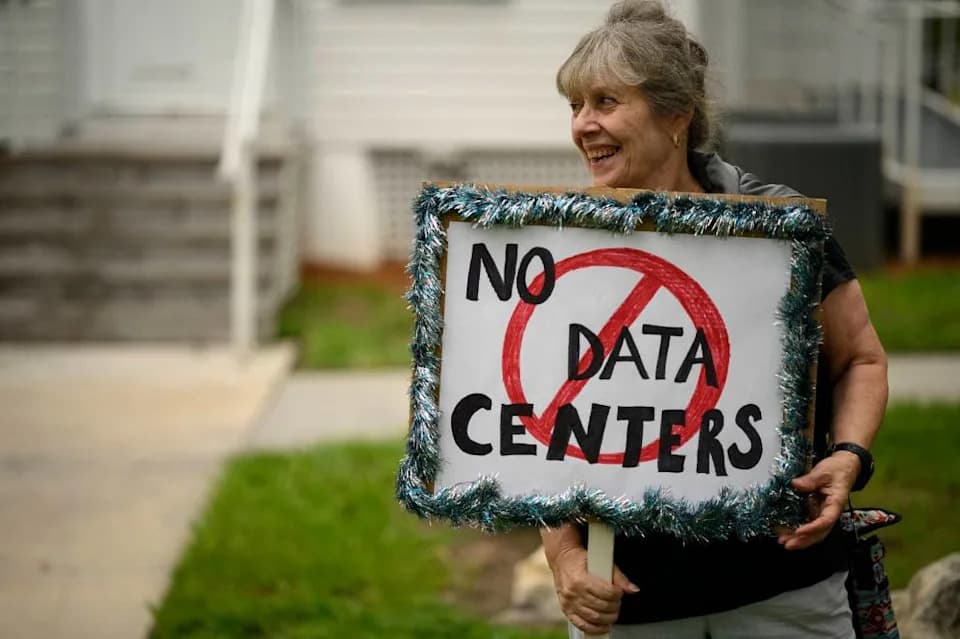
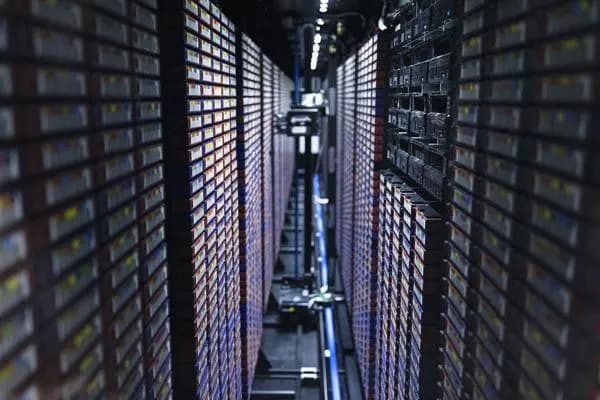
The Hillsboro City Council has imposed a 120-day moratorium on new data centers and large battery-storage projects after a tax-break lawsuit and growing public concern, KGW reported. The temporary pause will let officials review zoning, tax incentives, infrastructure capacity and emergency planning rather than impose a permanent ban. Residents and leaders are weighing trade-offs—economic benefits versus impacts on electricity, water, land use, noise and safety—while developers may need to strengthen mitigation plans.
Hillsboro Imposes 120-Day Moratorium on Data Centers and Battery Storage After Tax-Break Lawsuit
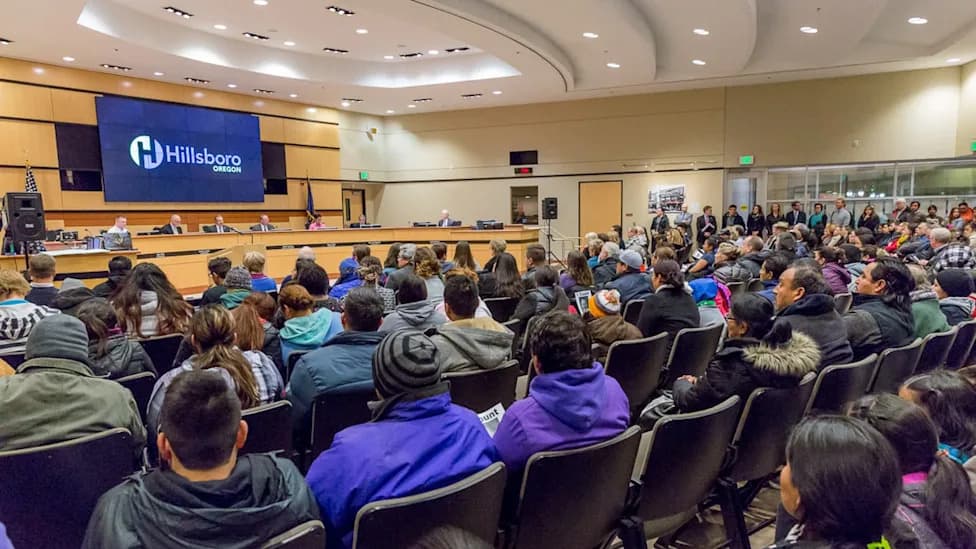
Photo Credit: City of Hillsboro
Hillsboro, a major hub in Oregon's "Silicon Forest," has approved a 120-day moratorium on new data centers and large battery energy-storage projects as officials respond to at least one lawsuit and rising community concern.
The City Council said the temporary pause—reported by local outlet KGW—is meant to give planners and elected officials time to review how zoning rules, tax incentives and public-safety planning are keeping pace with the rapid growth of energy-intensive facilities. The moratorium is intended as a pause for study, not a permanent ban.
Why the Pause?
Supporters of the moratorium point to a lawsuit tied to tax breaks for proposed developments as well as resident complaints that approvals were moving too quickly without sufficient local scrutiny. Residents and city leaders want a fuller assessment of local impacts before additional projects proceed.
Key Issues Under Review
During the 120 days, city staff and council members will examine a broad set of concerns related to energy-intensive industrial growth, including:
- Land use and competition for scarce industrial or commercially zoned sites.
- Electricity demand and grid capacity, including how large projects affect local utilities.
- Water requirements for cooling and potential impacts on local water systems.
- Public-safety planning and emergency response, especially for large battery installations where fire-safety is a common concern.
- The structure and transparency of tax incentives and permitting processes, and what community benefits should be required.
Trade-Offs and Local Concerns
Data centers underpin cloud services and AI applications, and proponents note they can deliver economic development and jobs. Advanced technologies—including AI—can also help utilities forecast demand and operate the grid more efficiently. But these benefits come with trade-offs: high electricity consumption, significant cooling and water use, construction traffic, noise, and increased demands on emergency services.
Large battery-storage projects similarly support renewable integration and grid stability but have drawn pushback over land use, fire risk and the adequacy of oversight and siting rules.
What This Means For Developers And Residents
The pause gives developers time to refine proposals by demonstrating plans to reduce power consumption, limit water demand, improve efficiency and address neighborhood concerns. It also gives residents more time to weigh in on siting, required community benefits, and greater transparency in approvals.
Whatever the review's outcome, Hillsboro's moratorium highlights broader questions about who will benefit from new AI-era infrastructure and who will bear its costs—issues many other communities are also confronting as data centers and energy projects expand.
Help us improve.