Many food and beverage packages that look like paper are actually fibre-based composites lined with thin plastic (typically polyethylene) to resist moisture and grease. Those coatings prevent standard recycling processes from recovering fibres unless specialised equipment is used, so coated items are often diverted to energy recovery or landfill. Industry responses include water-based coatings, lower-plastic fibre designs and investment in dedicated recycling capacity, but consistent progress demands better collection systems, clear design-for-recycling rules and policy support.
Why Plastic‑Coated Paper Keeps Foiling Recycling — And How The Industry Can Fix It
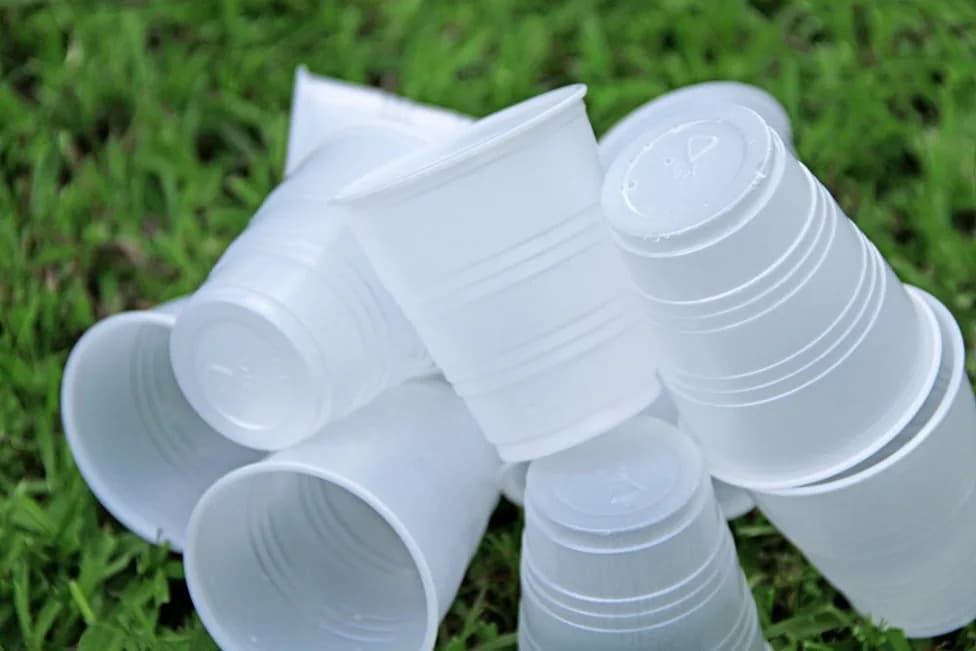
The packaging industry is prioritising solutions to make coated paper more circular. / Credit: ohhiioh via Shutterstock
shutterstock_777440419
Paper packaging has become a shorthand for sustainability: renewable, lightweight and widely recycled. But many everyday items — disposable coffee cups, takeaway wrappers and some frozen-food cartons — are lined with an almost invisible plastic film that dramatically changes how they behave in the waste stream. That thin coating helps the package perform, yet it turns an apparently simple material into a harder-to-recycle composite.
Why Coatings Are Used
Paper is naturally absorbent. Without a moisture- and grease-resistant barrier, cups would go soft and leak, and food wrappers would fail to contain oils and sauces. To solve this, manufacturers typically apply a very thin plastic layer such as polyethylene (PE) or similar barrier materials to the inside of packaging. The coating adds little weight but provides the protection needed for food safety and durability in demanding applications.
Why Coatings Hinder Recycling
Conventional paper recycling relies on mixing used paper with water so fibres separate and can be repulped. Plastics do not dissolve or disintegrate in this process. Removing the plastic requires specialised machinery and processes to separate the coating from the fibre. Many recycling plants were not designed for these composite items, so coated packages are often sorted out and diverted to energy recovery or landfill.
Food contamination — grease, sauces or liquid residues — compounds the problem by degrading recovered fibres and reducing yields. Confusion among consumers about what belongs in paper recycling bins, plus large regional differences in collection rules, increases contamination and lowers capture rates for these materials.
Ongoing Solutions And Innovations
The industry is pursuing several paths to improve recyclability without compromising product performance. These include:
- Water-based and dispersion coatings that let fibres separate more easily during repulping.
- Lower-plastic or fibre-first designs that minimise the use of non-fibre barriers.
- Barrier materials engineered to be compatible with existing paper recycling streams where infrastructure allows.
- Investment in specialised recycling facilities capable of processing coated fibre packaging at scale.
What Still Needs To Happen
Even with technological advances, widespread change requires coordinated investment: better collection systems, improved sorting technology and expanded recycling capacity. Clear, harmonised consumer guidance and design-for-recycling standards — reinforced by policies such as extended producer responsibility (EPR) — will help align manufacturers, waste operators and consumers. The challenge for brand owners and converters is to balance food-safety and production needs with materials choices that support a circular economy.
Bottom Line: Barrier coatings are essential for many food applications, but solving their end-of-life impact requires innovation in materials, infrastructure investment and clearer design and disposal practices.
Help us improve.