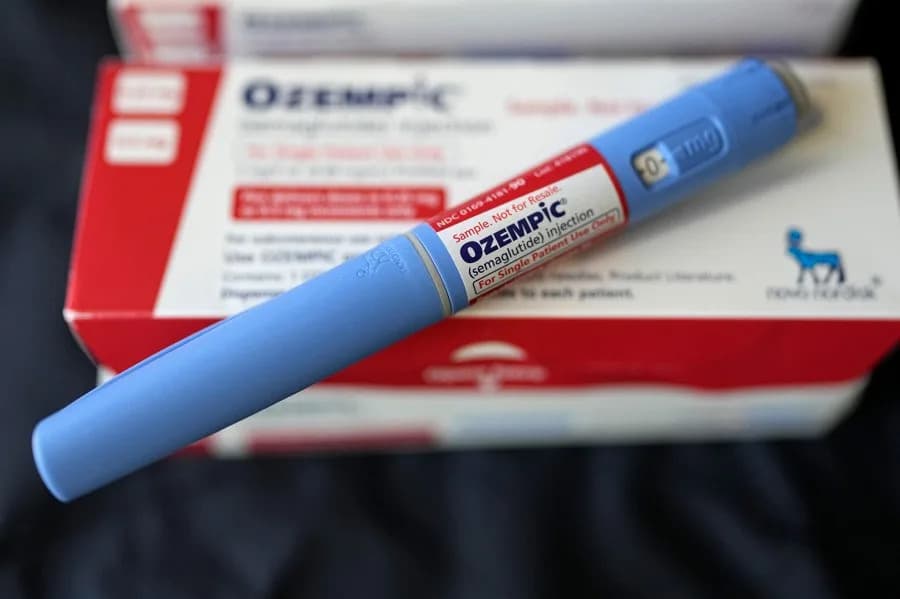
A pooled analysis of more than 13,000 overweight trial participants used a Cardiometabolic Efficacy Index (CEI) to compare GLP-1 therapies across multiple metabolic and cardiovascular measures. Higher-dose GLP-1 agonists produced larger overall cardiometabolic improvements, with 7.2 mg injected semaglutide achieving the highest CEI. Orforglipron led on glucose control, HDL and systolic blood pressure, while semaglutide showed the largest effects on LDL, weight and waist circumference. Authors recommend tailoring therapy selection to each patient’s goals and clinical priorities.
Study Finds GLP-1 Therapies Could Be Tailored to Individual Patient Goals

A new U.S. study of more than 13,000 overweight clinical-trial participants suggests that GLP-1 therapies — drugs widely used for weight loss — may offer broader cardiometabolic benefits and could be chosen to match individual patient goals.
The research, published in Diabetes, Obesity, and Metabolism, compared different GLP-1 agonists and dosing regimens using a composite measure called the Cardiometabolic Efficacy Index (CEI). The CEI combines effects on body weight, waist circumference, HbA1c (a marker of blood sugar control), systolic blood pressure, triglycerides, HDL cholesterol and LDL cholesterol to provide an overall view of cardiometabolic impact.
Key Findings: Higher-dose GLP-1 agonists produced larger overall improvements across cardiometabolic measures. Injectable semaglutide at 7.2 mg achieved the highest CEI in the analysis, outperforming 36 mg of orforglipron and 2.4 mg injected semaglutide. The authors also reported that each therapy examined provided, on average, at least a 10% placebo-adjusted reduction in body weight.
When individual outcomes were compared, orforglipron ranked highest for improvements in blood-sugar control (HbA1c), HDL cholesterol, and systolic blood pressure. Semaglutide showed the strongest effects on LDL cholesterol, total body weight and waist circumference.
"We hope that clinicians are encouraged by this study to take a more comprehensive and individual approach to treatment selection," said senior author Yong Chen, PhD, Professor of Biostatistics at the University of Pennsylvania. "For patients, the key message is that there may not be a single 'best' GLP-1 therapy for everyone — it could depend on each patient's goals and needs."
What This Means for Patients and Clinicians: The findings support a personalized approach when selecting GLP-1 treatments — weighing benefits for weight loss alongside effects on blood sugar, cholesterol and blood pressure. Clinicians should consider individual cardiometabolic priorities, tolerability, cost and availability when recommending therapy.
Limitations: The study pooled data across multiple trials and used a composite index to compare therapies; direct head-to-head randomized comparisons and longer-term outcome studies are needed to confirm how differences translate into real-world cardiovascular and metabolic benefits.
Copyright 2026 Nexstar Media, Inc. All rights reserved.
Help us improve.