In early July near Kanakapura, a young male elephant—estimated at about 22 years old—became trapped between two railway barricades. Forest officials led by Deputy Conservator N H Jagannath, along with veterinarians Dr Kiran and Dr Girish and local villagers, sedated the tusker and used a gas cutter in a roughly four‑hour operation to free him. The animal had no visible injuries and was moved to a protected area for recovery and monitoring. The incident highlights the dangers that human-made barriers pose to wildlife and local communities.
Rescue Team Frees Young Tusker Wedged in Railway Barricade After Four-Hour Operation
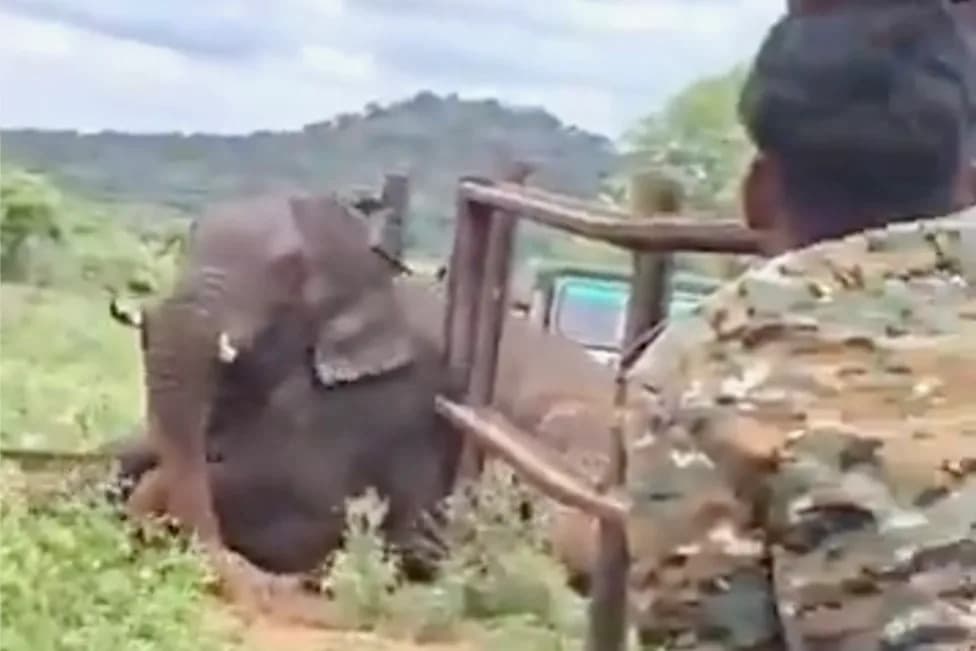
Photo Credit: X
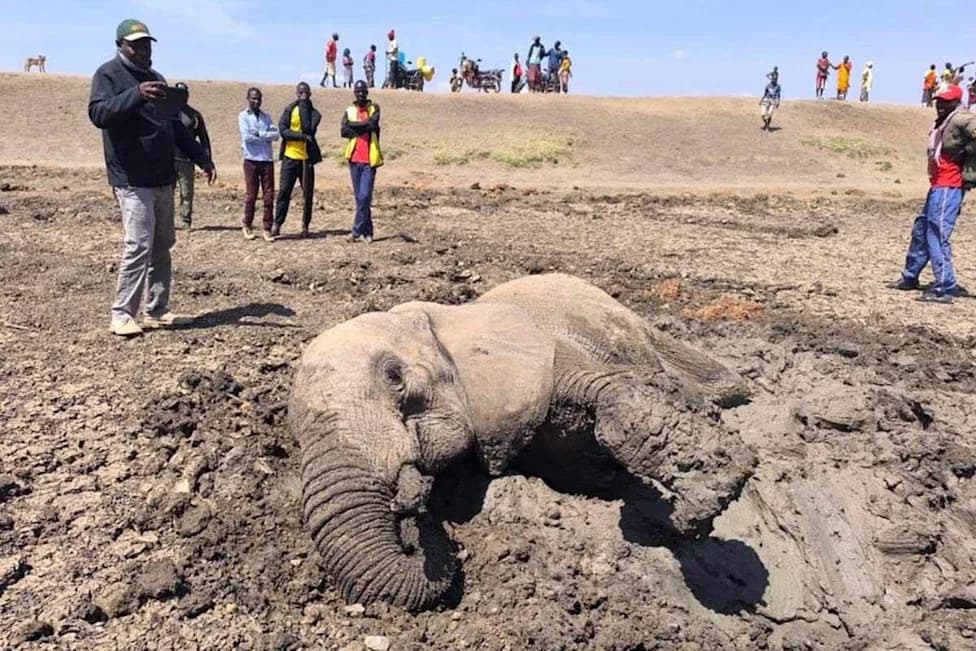
A young elephant in southern India survived a frightening ordeal in early July after becoming trapped between railway barricades near Kanakapura. The swift, coordinated response from villagers, forest department staff and veterinarians freed the animal during an operation that lasted roughly four hours.
What Happened
Local residents alerted authorities when they discovered the male elephant wedged tightly between two metal barriers. Deputy Conservator of Forests N H Jagannath of Vauvery Wildlife Sanctuary arrived with forest staff and veterinarians Dr Kiran and Dr Girish to assess the situation.
Although the tusker—estimated to be about 22 years old—showed no visible wounds, he was exhausted and unable to free himself. To ensure the safety of both the animal and rescuers, the team sedated the elephant and used a gas cutter to dismantle the railway barricade and widen the gap for extraction.
The Rescue
The extraction took approximately four hours. After the barriers were cut away and the elephant was able to stand and move steadily, officials guided him to a nearby protected area where he could recover and be monitored.
Wider Concerns
Human-made fences, barricades and other infrastructure can pose grave hazards for wildlife forced to move through landscapes shared with people. Trapped animals face stress, dehydration, injury or death if help does not arrive quickly. The presence of a large, distressed animal in village areas can also create dangerous situations for residents and rescuers.
In this case, rapid coordination between local people, forest officials and veterinarians prevented injury to both humans and the elephant. Officials believe the tusker likely entered the area while searching for food—a common reason wild elephants stray into human infrastructure.
“It is likely that the young tusker had come in search of food,” an official said.
The rescued elephant will be monitored in a protected area as authorities continue to assess measures to reduce similar incidents in the future.
Help us improve.