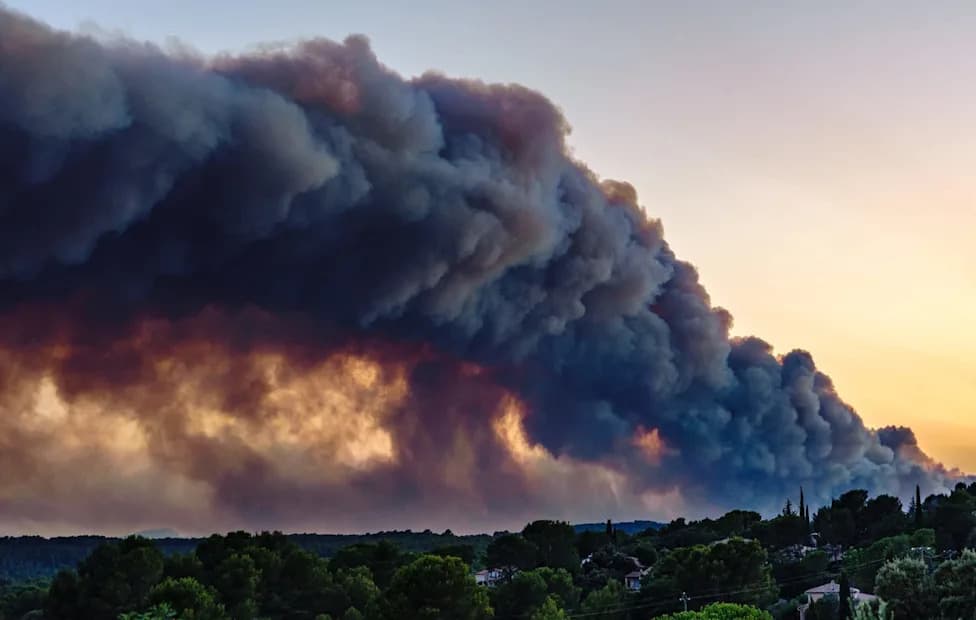
On July 27 in Gironde, France, three people freed a dehydrated deer trapped in a fence amid raging wildfires; video of the rescue was shared by CNN and BFMTV. The incident highlights how fires endanger wildlife through dehydration, smoke and habitat loss. Quick local action and contacting trained rescuers can save individual animals, while residents should follow emergency guidance and support verified relief efforts.
Heartwarming Rescue: Three People Carry Dehydrated Deer to Safety Amid Gironde Wildfires
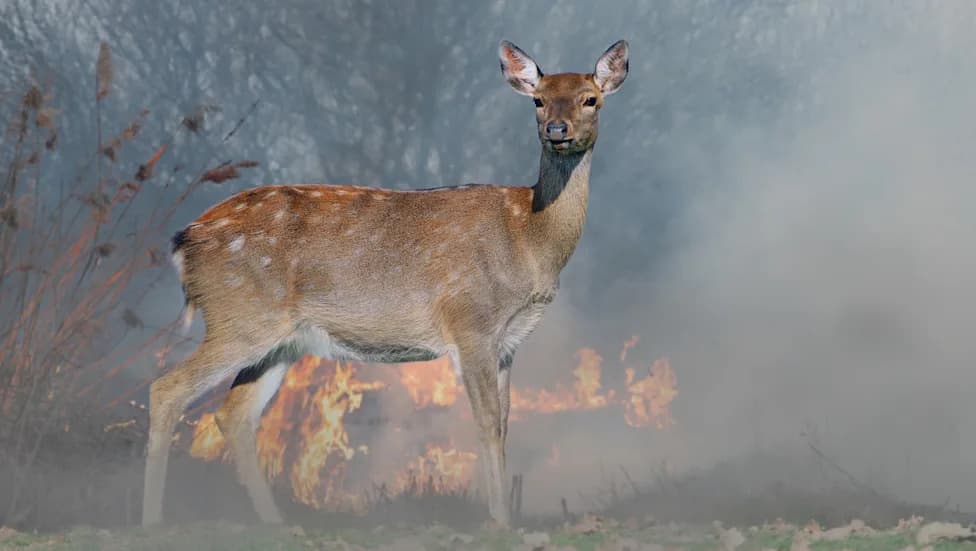
Photo Credit: iStock
On July 27 in Gironde, southwestern France, three people came across a dehydrated deer trapped in a fence in an area affected by destructive wildfires. Video of the rescue was posted to Instagram by CNN (@cnn) and shared by BFMTV, showing the rescuers carefully freeing and carrying the frightened animal away from immediate danger.
The footage captures a brief but moving moment amid widespread devastation. The deer appeared weakened by heat and lack of water and was unable to escape the fence on its own. The rescuers worked together to calm the animal and remove it from harm's way before transporting it to a safer location where it could receive further care.
Why this matters
Wildfires threaten more than buildings and infrastructure: they can disorient, injure, or exhaust wildlife, leaving animals vulnerable to dehydration, smoke inhalation and entrapment. Even after flames are extinguished, burned or altered habitats can make finding food, shelter and water difficult for surviving animals.
“Poor deer, he was so scared… thank you to these brave and kind people for rescuing this sweet creature,” one viewer commented. Another added that wildfires leave too few people looking out for wildlife.
Beyond the immediate rescue, wildfires carry broader public-health and economic consequences. Smoke worsens respiratory and heart conditions, evacuations separate families from homes and jobs, and fires can damage farmland, infrastructure and local businesses. Firefighters, rescue teams and volunteers face significant personal risk when responding to these events.
How residents can help
Officials urge people in fire-affected areas to follow local emergency guidance, respect road closures and avoid putting themselves at risk. If you encounter distressed wildlife, contact trained wildlife rescuers, local authorities or licensed rehabilitation organizations rather than attempting complex rescues yourself. Practical preparations include creating a wildfire evacuation plan, keeping masks or air purifiers on hand for smoke events, and supporting verified disaster-relief and wildlife-rehabilitation groups.
This small, successful rescue in Gironde underscores how quick, local action can save an individual animal's life during a crisis — and highlights the wider need for coordinated response and long-term support for ecosystems affected by wildfires.
Help us improve.