
France has declared the July Saumos wildfire — its largest since 1949 — extinguished after weeks of underground smouldering. The blaze burned about 42,000 hectares and forced roughly 224,000 people to evacuate; more than 3,300 firefighters joined what officials called the largest civil security operation in modern French history. Contained on Aug. 1, the fire continued to smoulder below ground for weeks, underscoring trends of larger, more persistent wildfires and rising carbon emissions that complicate climate goals.
France Extinguishes Largest Wildfire Since 1949 After Weeks of Underground Smouldering
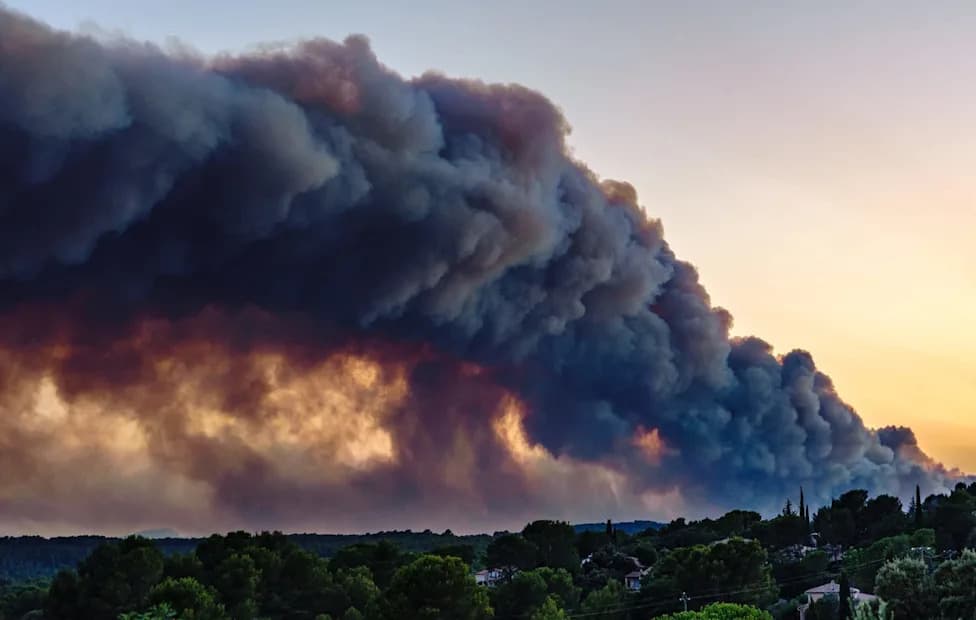
Photo Credit: iStock
After weeks during which embers continued to burn beneath the soil, France's largest wildfire since 1949 has finally been declared extinguished. The blaze, which began in July near Saumos in the Gironde region, had been contained earlier but persisted as underground hotspots for several weeks.
According to AFP, the Saumos fire prompted the evacuation of roughly 224,000 people as it advanced toward the popular Cap-Ferret peninsula and the outskirts of Bordeaux. When state services announced the fire was out, officials said it had scorched about 42,000 hectares (approximately 104,000 acres).
No fatalities were reported. Authorities confirmed the blaze was contained on Aug. 1, but warned that smouldering material beneath the surface prolonged the risk and required ongoing monitoring and damping operations.
The firefighting operation was unprecedented in recent French history: more than 3,300 firefighters and thousands of emergency personnel were mobilised, the largest civil security mission in modern times, officials said.
'The Saumos forest fire, which burned 42,000 hectares this summer, including 37,296 hectares destroyed, is now extinguished,' state services said in a statement.
France has not seen a wildfire of this scale since a 1949 blaze in the same region that burned roughly 50,000 hectares (about 124,000 acres). Nationwide, roughly 98,000 hectares (around 242,000 acres) have burned so far this year — the highest total since 1976.
Why This Fire Matters
Experts say the Saumos incident highlights several worrying trends: wildfires are growing larger and more intense, dry conditions mean fires can continue to burn through the night, some megafires can generate their own dangerous weather, and large-scale blazes are producing significant carbon emissions that complicate climate goals.
Related Observations
- Firefighters recently battled a large wildfire across the Corbières Massif in southern France, roughly the size of Paris.
- Drought and hotter nights are allowing some fires to keep burning after dark, changing traditional containment strategies.
- Scientists warn that very large fires can create their own 'fire weather', making suppression and containment more difficult.
- Across the globe, weather patterns that favour severe wildfires are becoming more frequent and intense.
- Forest fires release long-range carbon pollution that complicates efforts to meet climate targets.
Authorities continue ground and aerial monitoring of the affected areas to prevent re-ignition and to assess environmental and public-health impacts. Local recovery and restoration efforts will focus on damaged ecosystems, infrastructure and support for displaced residents.
Help us improve.





















