The invasive horseshoe whip snake has spread rapidly across the Balearic Islands — first recorded on Ibiza in 2003 and now estimated to have colonized ~90% of Ibiza. It preys on the endemic Pityusan wall lizard, which has gone locally extinct on about 10 small islets. Conservationists warn of cascading impacts on insect control, seed dispersal, pollination and the islands' ecological resilience, and call for urgent biosecurity and targeted removal measures.
Invasive Horseshoe Whip Snakes Devastate Endemic Lizards in Spain’s Balearic Islands
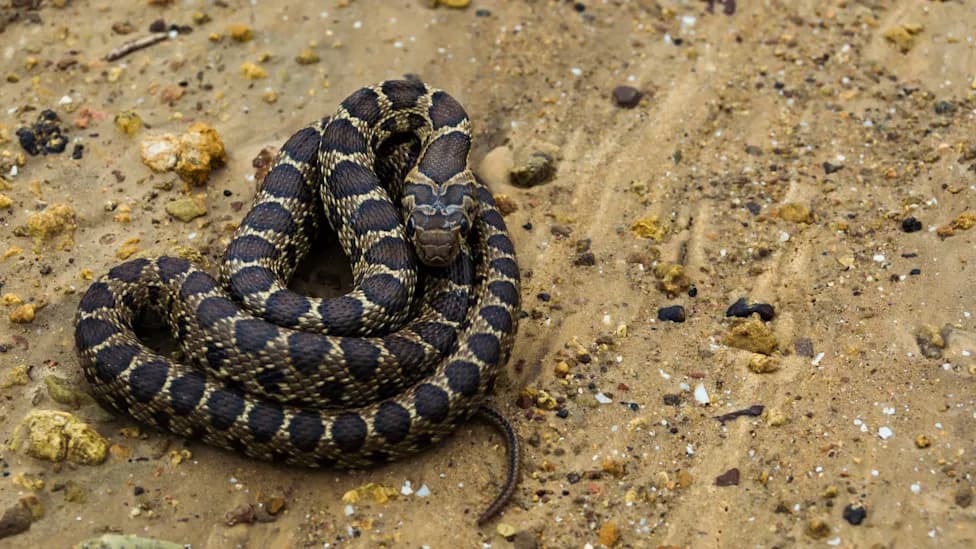
Photo Credit: iStock
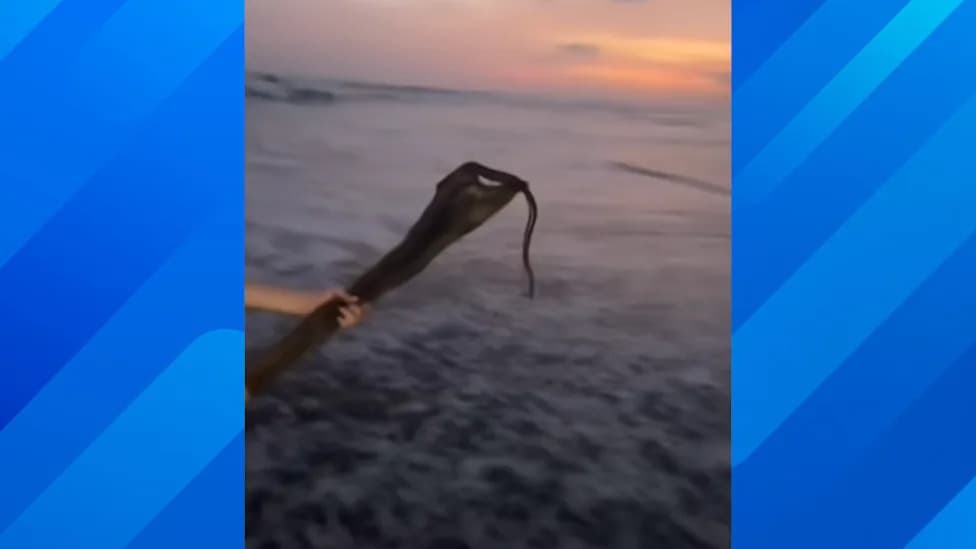
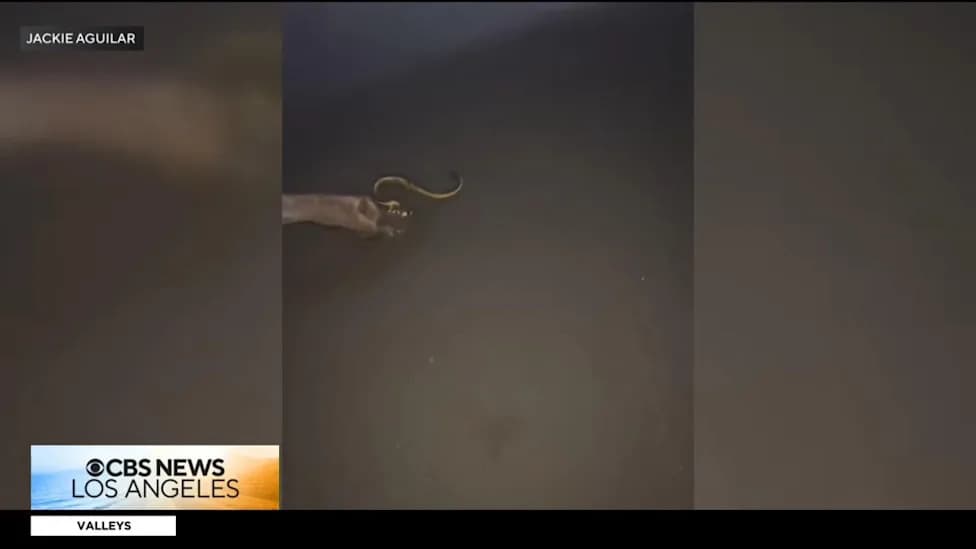
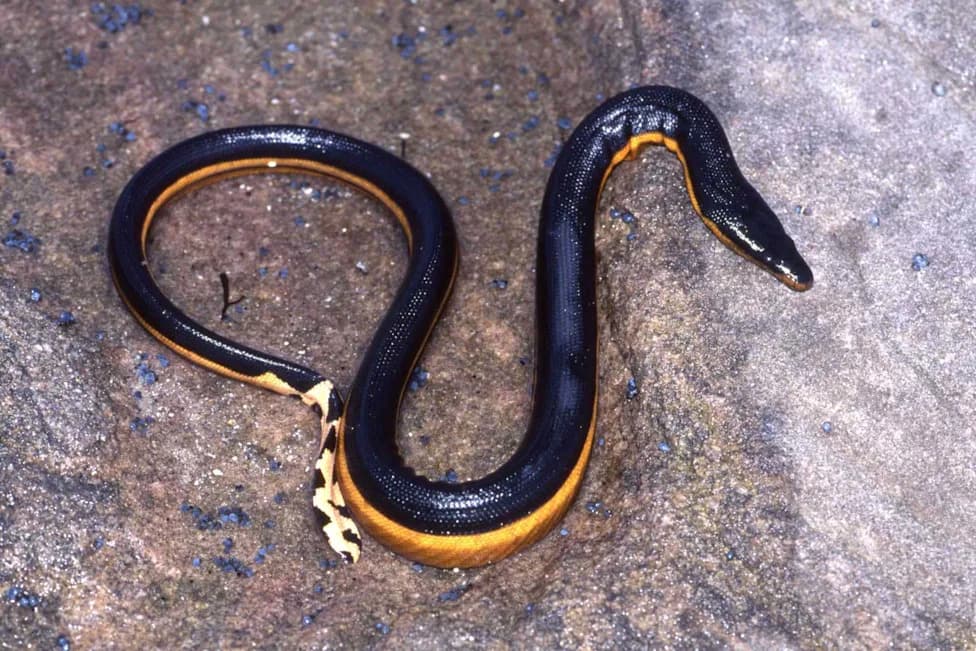
The Mediterranean Balearic Islands — including Ibiza, Mallorca and Formentera — are facing an ecological crisis as the invasive horseshoe whip snake (Hemorrhois hippocrepis) rapidly expands across the archipelago.
Researchers believe the snakes were introduced from mainland Spain hidden in landscaping consignments of large ornamental olive trees. The species was first recorded on Ibiza in 2003, appeared on Mallorca in 2006 and reached Formentera by 2010. Today the snake is estimated to have colonized roughly 90% of Ibiza, and observers have reported it swimming across the Balearic Sea to reach nearby islets in search of prey.
With few or no natural predators on the islands, the horseshoe whip snake now functions as a top predator in many habitats. Although not considered dangerous to people, its ecological impact is severe: it is reshaping food webs and displacing native species.
One of the snake’s main prey species is the Pityusan wall lizard, an endemic and endangered reptile found only on Ibiza, Formentera and adjacent small islets. Scientists at the Centre for Ecological Research and Forestry Applications report local extinctions of this lizard on roughly 10 small islets, including Santa Eulària.
Pityusan wall lizards perform several important ecological roles: they help regulate insect populations, disperse seeds and even contribute to pollination. Their decline can therefore produce cascading effects on vegetation, plant reproduction and the wider food web — with consequences for ecosystem resilience and services that support local livelihoods and tourism.
Conservation concern: Local extinctions on tiny islets are particularly worrying because many host distinct lizard subspecies with unique color patterns. Those losses represent irreversible declines in genetic and biological diversity.
Conservationists say urgent, coordinated action is needed. Recommended responses include strengthened biosecurity for plant and landscaping imports, targeted snake removal and trapping programs on vulnerable islets, ongoing population monitoring, and habitat protection for remaining lizard populations. Public awareness and cooperation between authorities, researchers and tourism stakeholders will be critical to limit further damage.
Help us improve.