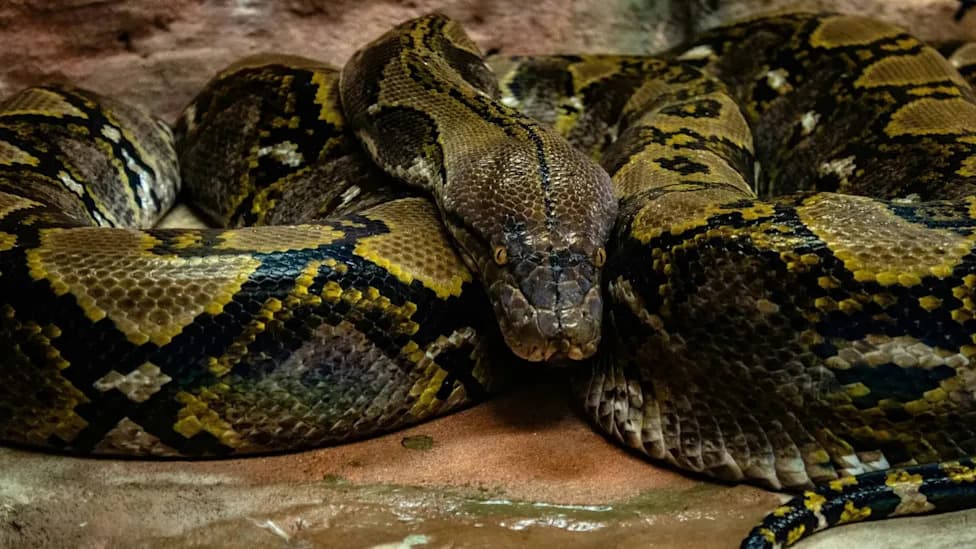
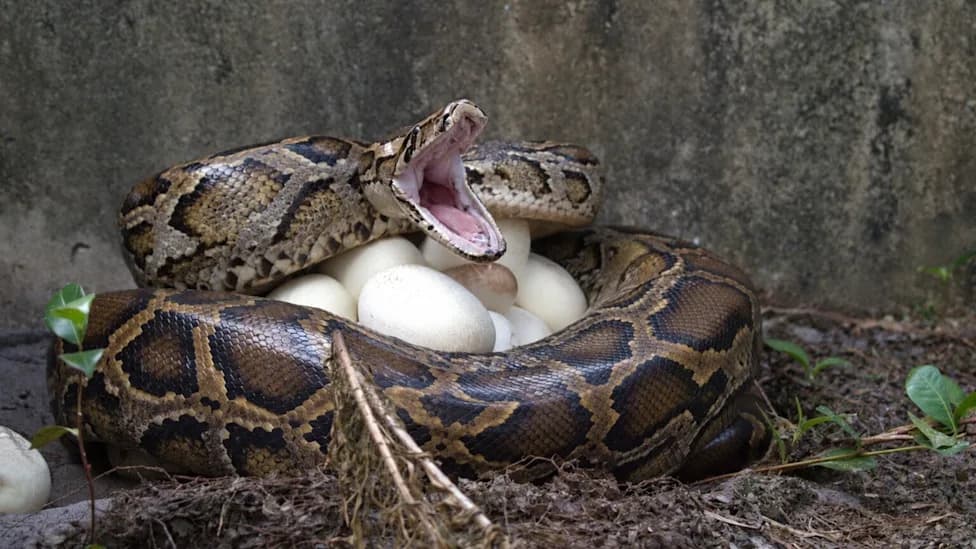
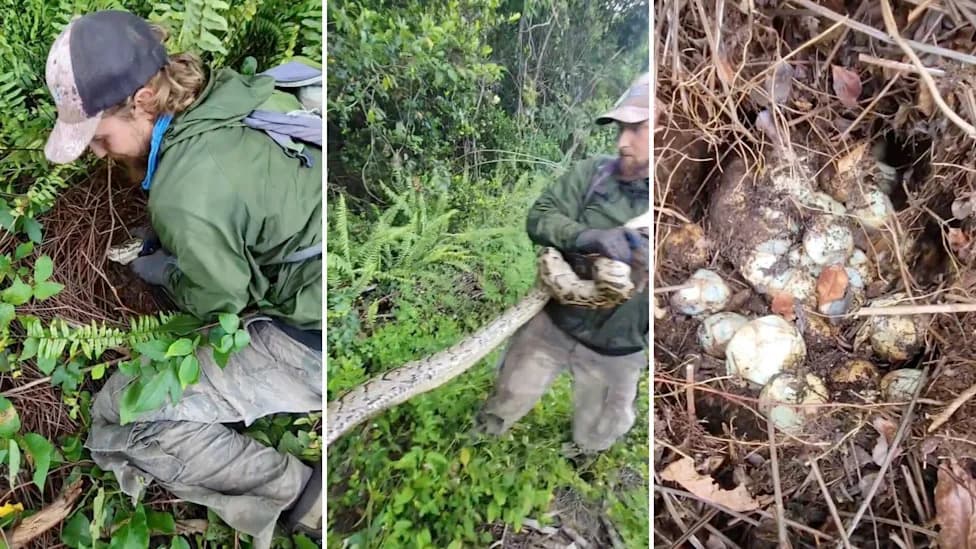
Amy Siewe, known as "The Python Huntress," says Florida's annual Python Challenge risks doing more harm than good. In an op-ed, she cites inexperienced contestants, a large cash prize and the spectacle of lights and vehicles as creating safety, animal-welfare and credibility problems. She warns juvenile pythons can be mistaken for native snakes and notes at least one contestant was bitten this year. Siewe urges conservation through trained, year-round professionals rather than publicity-driven contests.
Florida's Python Challenge Draws Spectacle, Not Effective Control, Warns 'Python Huntress'
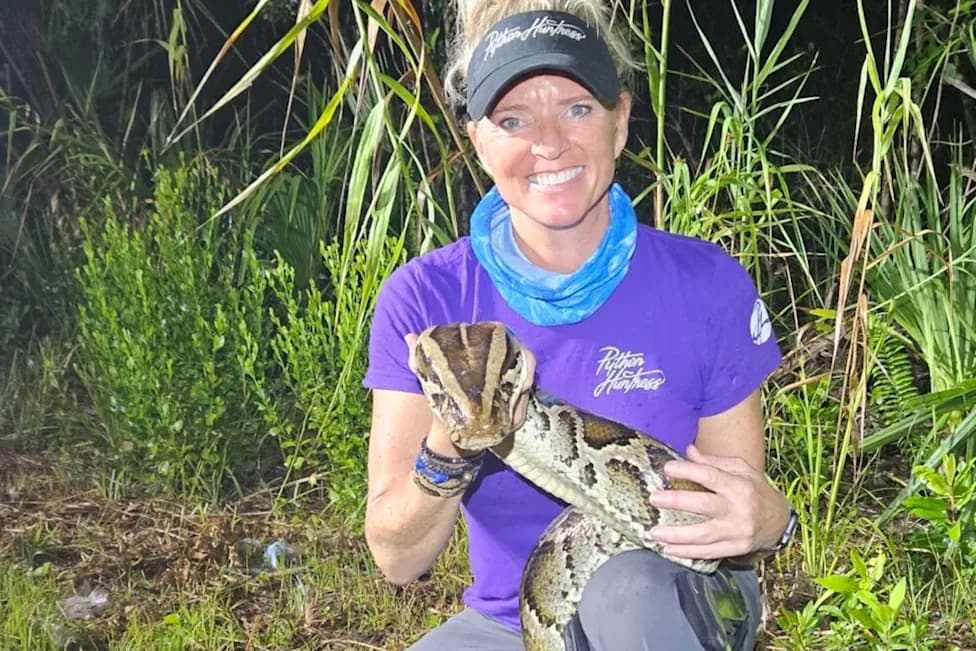
Photo Credit: Python Huntress
Florida's annual Python Challenge is promoted as a conservation tool to reduce the Burmese python population in the Everglades. But Amy Siewe — better known to many as "The Python Huntress" — argues the event may deliver far less for conservation than organizers claim.
In an op-ed for the Naples Daily News, Siewe explains why she declines to participate in the contest despite being a professional python hunter and guide. Her concerns center on safety, animal welfare, and whether the event actually helps long-term invasive-species control.
Key Concerns From a Professional Hunter
Inexperienced participants: The contest attracts many novice hunters who may not reliably identify snakes. Juvenile Burmese pythons can closely resemble native noninvasive species, increasing the risk of mistaken kills and of dangerous encounters with venomous snakes. Siewe notes that one contestant this year was already bitten after mistaking a venomous snake for a python.
Behavioral changes and reduced effectiveness: The influx of vehicles, flashlights and people during the event can alter python behavior and make snakes harder to locate. As Siewe puts it in her op-ed,
"More people does not automatically mean more pythons caught."
Incentives to cheat and welfare issues: The contest’s $10,000 prize can create perverse incentives, Siewe warns, citing allegations that some contestants may keep snakes beforehand and submit them during the competition. She also raises humane euthanasia concerns: disqualifying a participant after an unethical killing does not undo the animal’s suffering.
Why It Matters
There is no question that Burmese pythons are an environmental problem in South Florida and that their removal matters for the Everglades and nearby communities. But Siewe argues that turning removal into spectacle risks sidelining trained, year-round efforts and can harm public trust in invasive-species control.
She warns bluntly:
"If you don't know exactly what you're looking at, you shouldn't be grabbing it — and you certainly shouldn't be killing it."Her message is that conservation work requires skill, training and consistent programs rather than publicity-driven competitions.
Context: The Python Challenge is marketed as a conservation measure, but critics like Siewe say its format and incentives can generate safety, ethical and credibility problems that undermine broader management goals.
Help us improve.