The recent spike in violence across the Middle East — from attacks on Saudi oil facilities and strikes in Iraq to missile launches at Jordan and ship fires off Egypt — is linked to the broader U.S.–Iran confrontation centered on the Strait of Hormuz. Iran-backed groups including the Houthis and Hezbollah are opening additional fronts that threaten key shipping routes such as Bab el-Mandeb and the Suez Canal. Retaliatory strikes, falling maritime transits and fragile truces raise the risk that local clashes could escalate into a wider regional conflict.
Why New Fronts Are Opening Across the Middle East — How the U.S.–Iran Clash Is Spreading
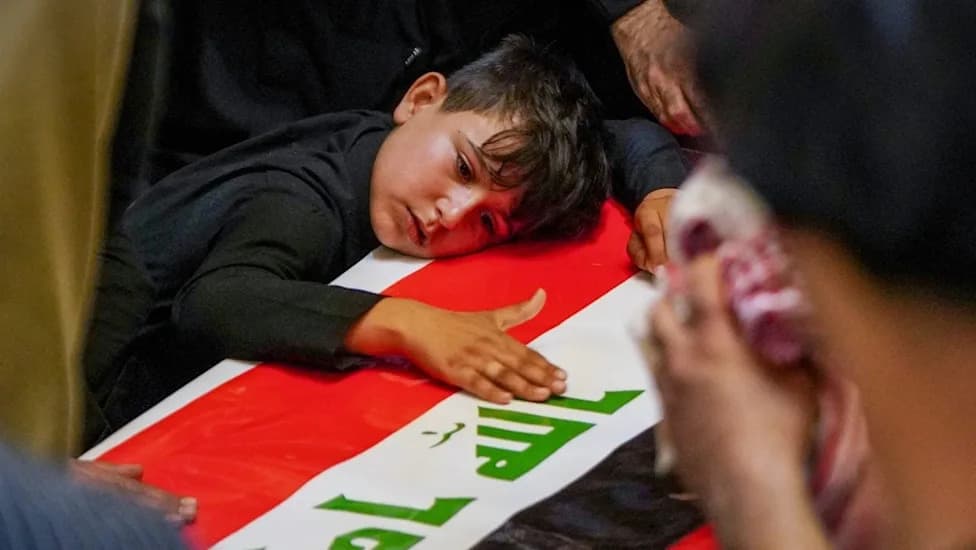
Why new fronts seem to be opening up across the Middle East war
Houthi fighters in Yemen say they struck Saudi oil facilities, Saudi authorities blamed militias in Iraq and joined U.S. forces in retaliatory strikes, Iran launched missiles at Jordan, and drone strikes have set ships ablaze off Egypt's coast. Though these incidents appear dispersed, they are connected to the broader confrontation between the United States and Iran, with the Strait of Hormuz at the center.
The Central Flashpoint: Strait of Hormuz
The Strait of Hormuz, a narrow channel between Iran and Oman that once handled roughly a fifth of global oil and gas trade, has become the conflict's epicenter. Iran asserts authority over the waterway and has attacked vessels attempting to use an alternate route patrolled by U.S. forces along Oman's coast. The United States has struck Iranian targets in response, insisting the strait remain open for international shipping as it was prior to strikes on Iran on Feb. 28.
How the Fight Is Spreading
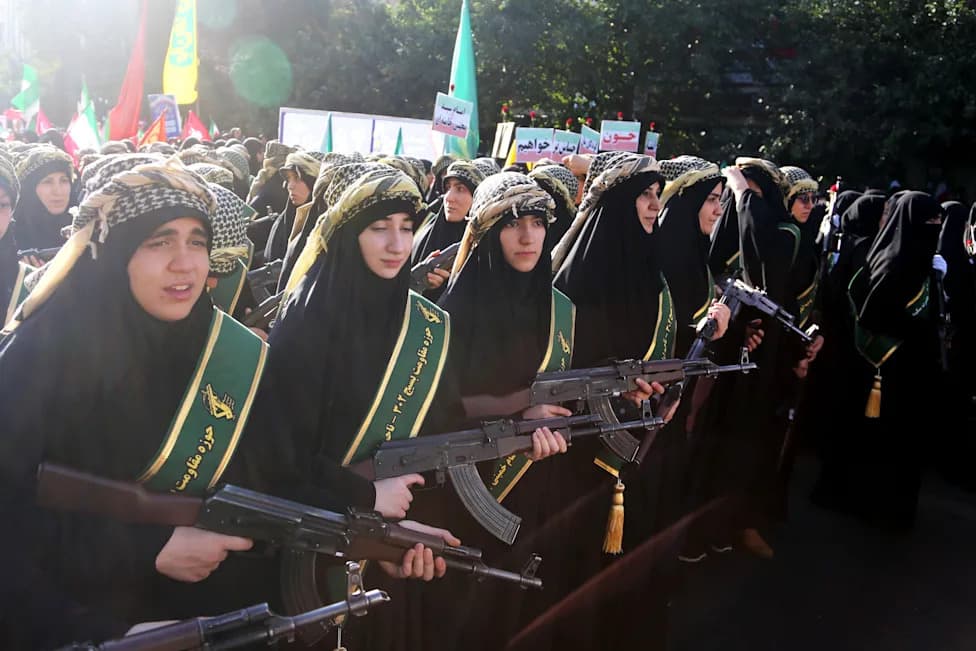
Iran projects power through allied militias and proxies across the region. In retaliation for U.S. strikes, Tehran has launched missile and drone attacks against Arab states that host American forces, including Jordan and Kuwait. These tit-for-tat exchanges undermined an interim agreement that had aimed to de-escalate the fighting and have deepened mutual distrust.
Red Sea and Bab el-Mandeb
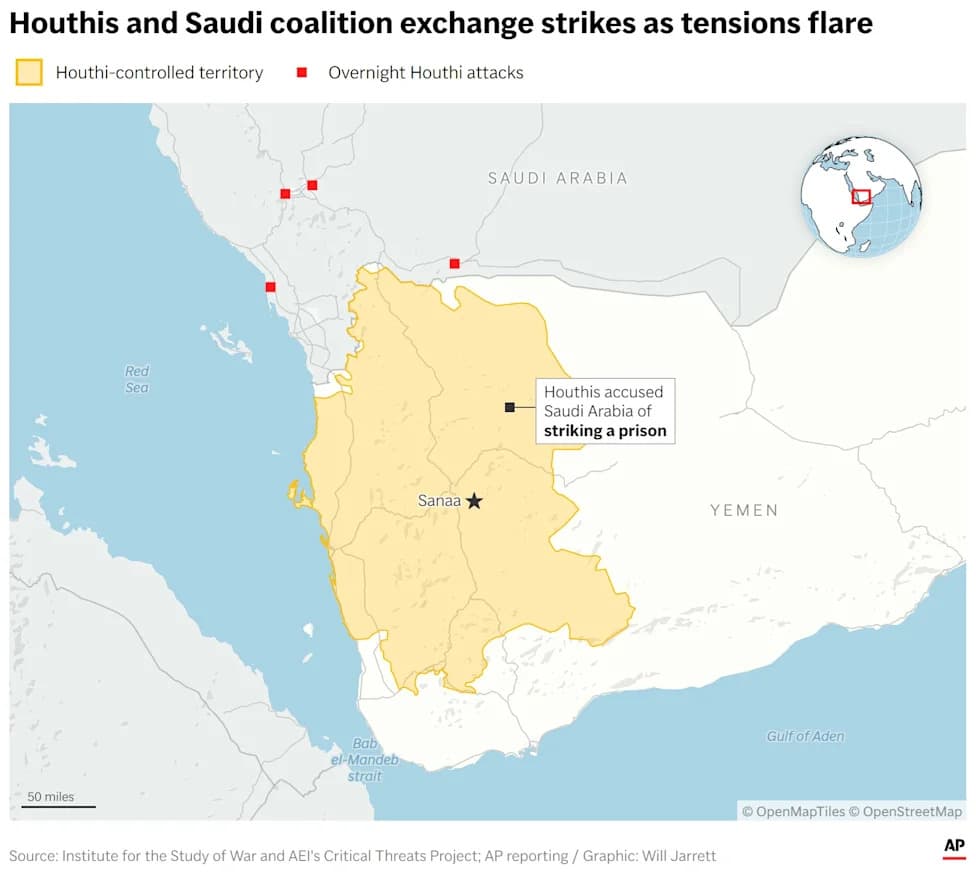
Iran-backed Houthi forces in Yemen — initially less engaged during the opening phase of the war — have declared a blockade against Saudi Arabia, threatening traffic through the Bab el-Mandeb, the Red Sea and supply lines to the Suez Canal. The Houthis also claim responsibility for attacks on Saudi oil infrastructure tied to the kingdom's East-West pipeline, which Riyadh has used to move millions of barrels since the Strait of Hormuz became contested.
Maritime Impact: Maritime security firm Ambrey reports more than 10 vessels turned back in the Red Sea and Gulf of Aden after the Houthi blockade was announced, with Bab el-Mandeb transits down about 30% between June and July 21.
Iraq: A Dangerous Crossroads
Saudi officials accused Iran-aligned militias in Iraq of launching drone attacks on Saudi oil sites on consecutive days. U.S. and Saudi aircraft then struck militia positions in Iraq, killing at least 20 fighters and six Iranian advisers, according to reports. Baghdad, which maintains ties to both Washington and Tehran, condemned the strikes while investigating the incidents. The Popular Mobilization Forces (PMF), a coalition of groups linked to Iran that are nominally part of Iraq's security apparatus, often operate with significant autonomy and have a record of attacking U.S. personnel.
U.S. troops are scheduled to complete their withdrawal from Iraq by the end of September, and the Iraqi government has vowed to disarm or integrate militias into state forces — a process that could stall as regional tensions persist. Remaining American forces are concentrated in the semi-autonomous Kurdish region, where armed Iranian Kurdish dissident groups and regional strikes have added further instability.
Other Theaters: Egypt, Israel and Lebanon
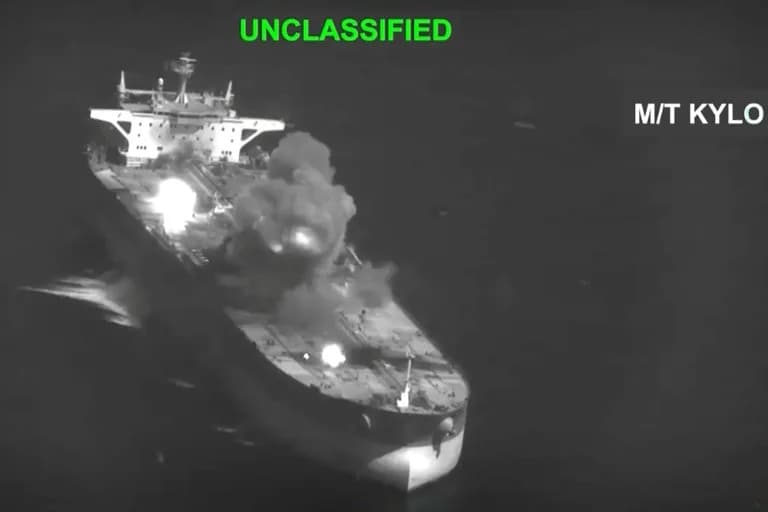
A drone attack on Egypt's Mediterranean port of Damietta ignited two natural gas vessels, including a U.S.-owned floating storage unit. No group claimed responsibility and the Houthis denied involvement. Egypt, a close U.S. partner and a regional mediator, has largely avoided direct military engagement so far.
Israel participated in early strikes on Iranian targets and was hit by Iranian missiles early in the fighting. Iran-backed Hezbollah fired rockets into northern Israel at the war's start, prompting Israeli air strikes and a ground incursion into southern Lebanon. A June 20 truce has largely held; under a nascent agreement Israel would withdraw and Lebanon's army would deploy in the south, while Hezbollah would disarm — a condition the group rejects and could resist.
Why Multiple Fronts Matter
Iran's use of proxy forces allows it to pressure U.S. allies and threaten key maritime routes without engaging in full-scale conventional war. That strategy raises the risk that localized clashes — in the Strait of Hormuz, the Red Sea, Iraq or along the Israel-Lebanon border — could cascade into broader regional conflict with global economic consequences.
Reporting: Associated Press coverage and maritime security firm Ambrey data informed this analysis.
Help us improve.