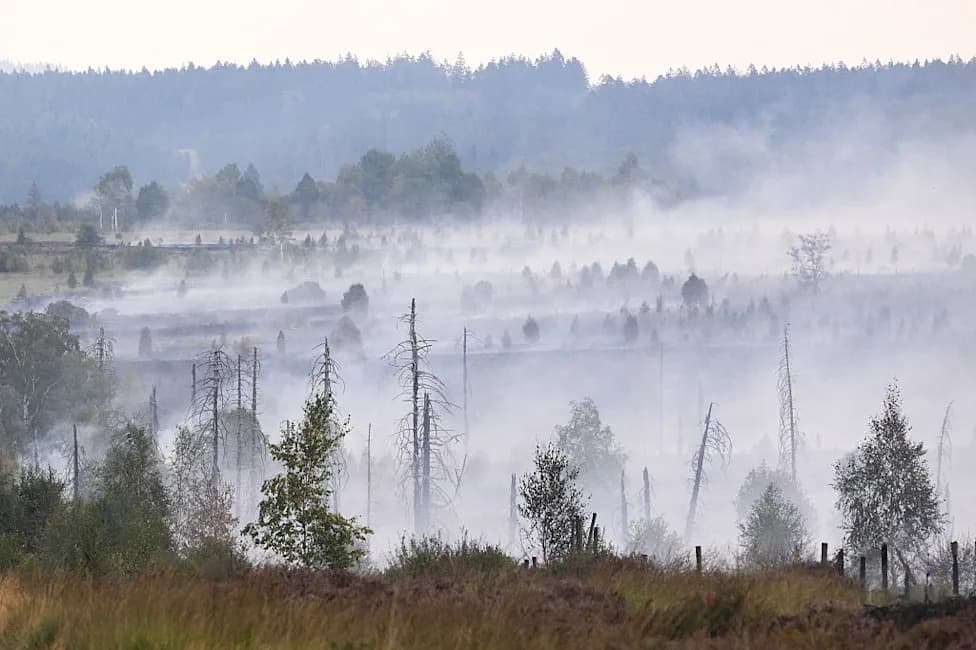
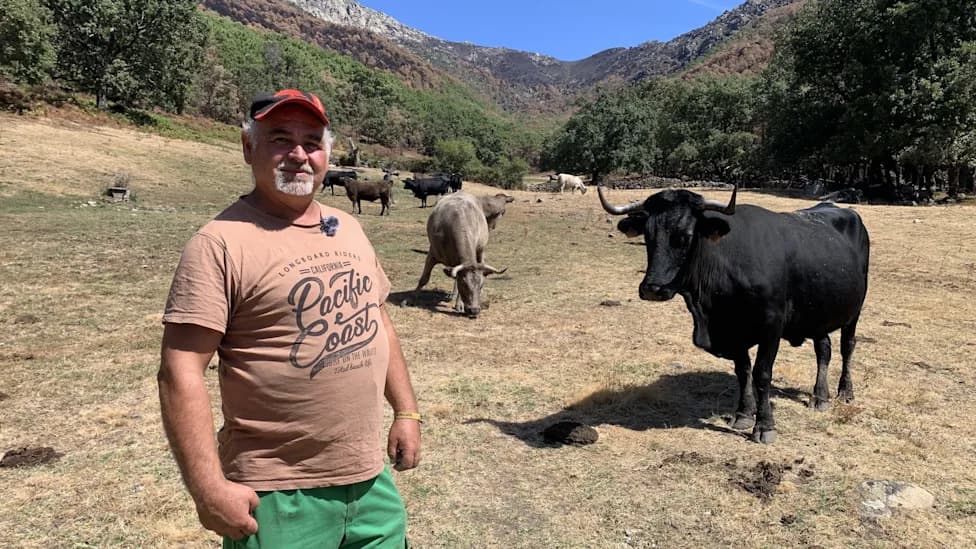
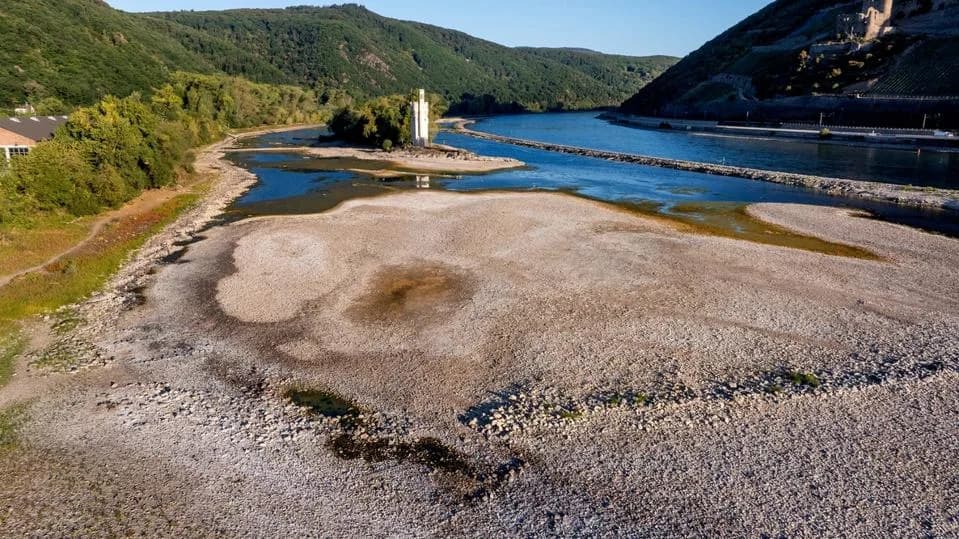
Researchers report a sharp rise in extreme fire-weather days across southern Europe, more than doubling since 1981 and reaching up to 25 days per summer in recent years in some regions. The study attributes the trend to human-driven climate change and notes a paradox: better firefighting has reduced fire counts but allowed fuel to build up, making remaining blazes fiercer. Recent record fires in France and Spain, including a pyrocumulonimbus near Bordeaux and Spain's largest recorded blaze near Avila, exemplify the escalating risk.
Southern Europe Growing More Flammable as Climate Change Drives Extreme Fire Weather
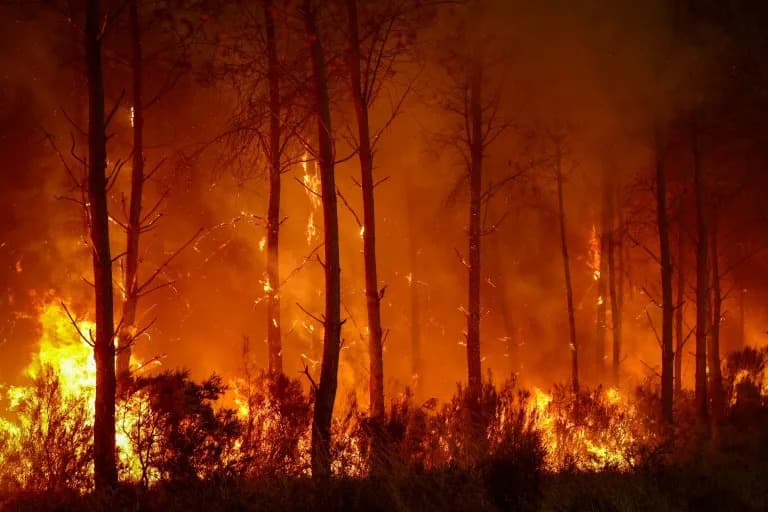
France and Spain have been battling some of their biggest wildfires on record (ROMAIN PERROCHEAU)
Southern Europe is becoming significantly more prone to extreme fire weather, with the number of summer days suitable for severe wildfires having more than doubled since 1981, a new study in Scientific Reports found.
Key Findings
The research, which combined national wildfire statistics with weather and climate data, shows a sharp rise in the frequency of days characterized by scorching temperatures, very low humidity, prolonged dryness and strong winds. In France, Spain, Portugal, Italy and Greece, extreme fire-weather days increased from fewer than 10 per summer during 1981–2010 to as many as 25 per summer during 2016–2025 in some areas.
What’s Driving the Trend
Study co-author Raul Cordero, an atmospheric scientist at the University of Groningen, said the trend "can only be attributed to global warming." Independent analyses by the World Weather Attribution group have also concluded that human-induced climate change amplified recent heat and drought conditions across Europe, creating especially favorable conditions for wildfires.
Paradox Of Fewer But Fiercer Fires
Although overall fire counts are lower today than in the 1980s in most southern European countries, the fires that do occur are more extreme and spread faster. Investments in firefighting — better-trained brigades, improved containment tactics and expanded aerial resources such as water-bombing aircraft — have reduced the number of ignitions. However, fewer fires over decades have allowed combustible vegetation to accumulate, creating larger fuel loads that make individual blazes far more intense and fast-moving when they do start.
"Europe has shifted toward fewer, but more intense and larger events," the authors write, warning the region is "entering an era of extreme fire risk."
Recent Examples
Recent record blazes illustrate the escalating risk: the wildfire west of Bordeaux expanded into France's largest recorded blaze since 1949 and was so intense it generated a pyrocumulonimbus — a fire-driven thundercloud that can create its own winds and lightning. In Spain, the Avila fire west of Madrid is the largest wildfire on record since national records began in 1961.
"You cannot stop the propagation of fires when the weather conditions are very extreme... it's not a matter of resources," Cordero said, underscoring how extreme weather can overwhelm suppression efforts.
Outlook
Scientists warn that unless global warming is curtailed, conditions that favor extreme wildfires are likely to worsen. Some projections suggest Europe — the continent warming fastest — could face a substantial increase in extreme fire events over the coming decades.
Help us improve.