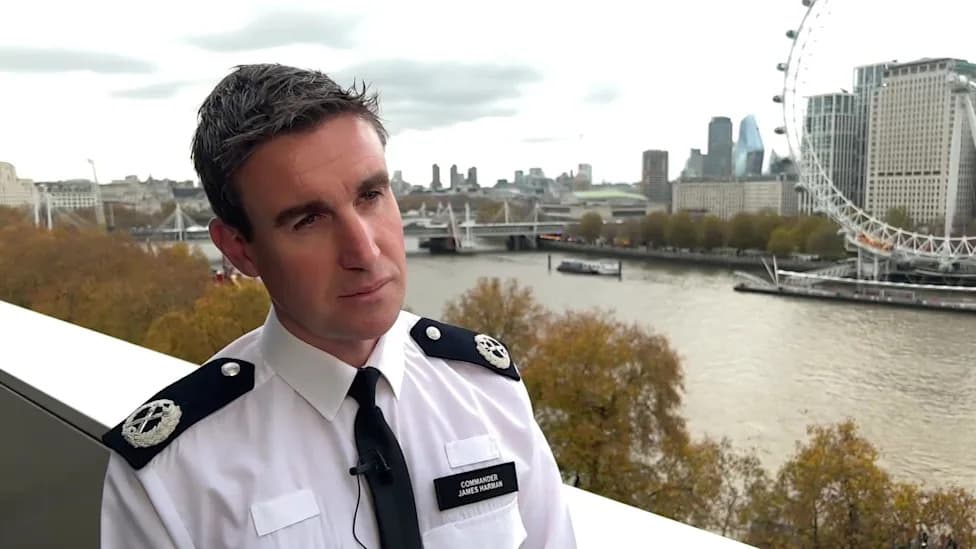
Seventy-seven people were arrested outside Westminster Magistrates' Court after demonstrating in support of Palestine Action, a group proscribed by the U.K. government last year as a terrorist organization. The group has been granted permission to ask the U.K. Supreme Court to review the ban, which carries penalties of up to 14 years in prison. Authorities say more than 3,000 people have been arrested and over 1,200 charged since the proscription; prosecutions are paused pending the Supreme Court hearing expected between October and December.
77 Arrested Outside London Court During Protest Supporting Banned Palestine Action — Supreme Court Appeal Granted
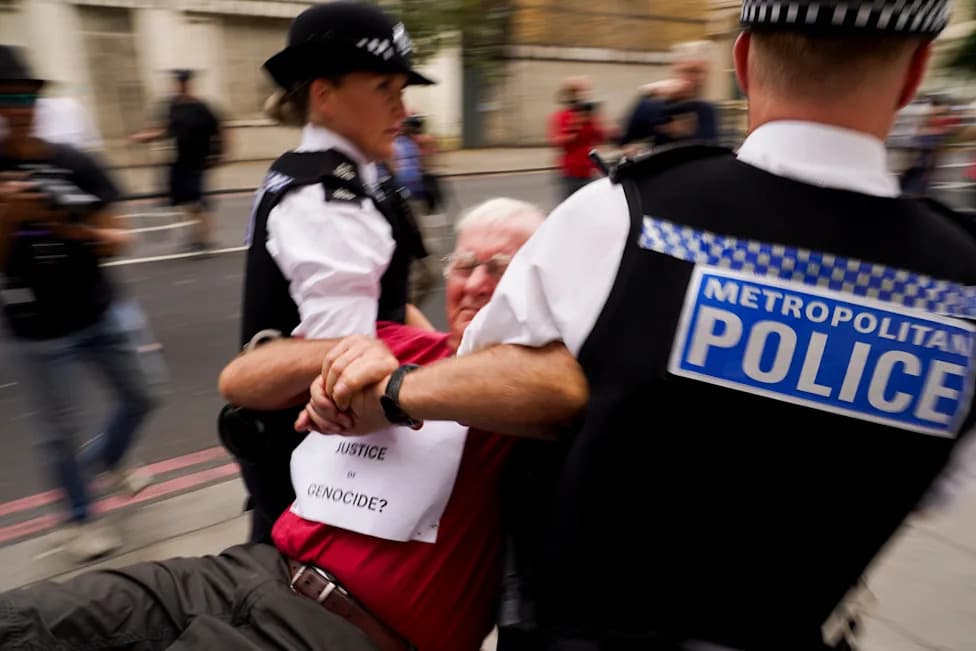
A demonstrator is arrested by the police outside the Westminster Magistrates Court in London, Thursday, July 30, 2026, as a plea hearing for 25 people accused of showing support for Palestine Action takes place. (AP Photo/Alberto Pezzali)(AP Photo/Alberto Pezzali)
Dozens of demonstrators were detained outside Westminster Magistrates' Court in London on Thursday after publicly expressing support for Palestine Action, a group proscribed by the U.K. government last year as a terrorist organization. The Metropolitan Police said 77 people were arrested, most on suspicion of 'expressing support for a proscribed organization.' Onlookers at the scene shouted 'Shame!' as protesters chanted in support of the group.
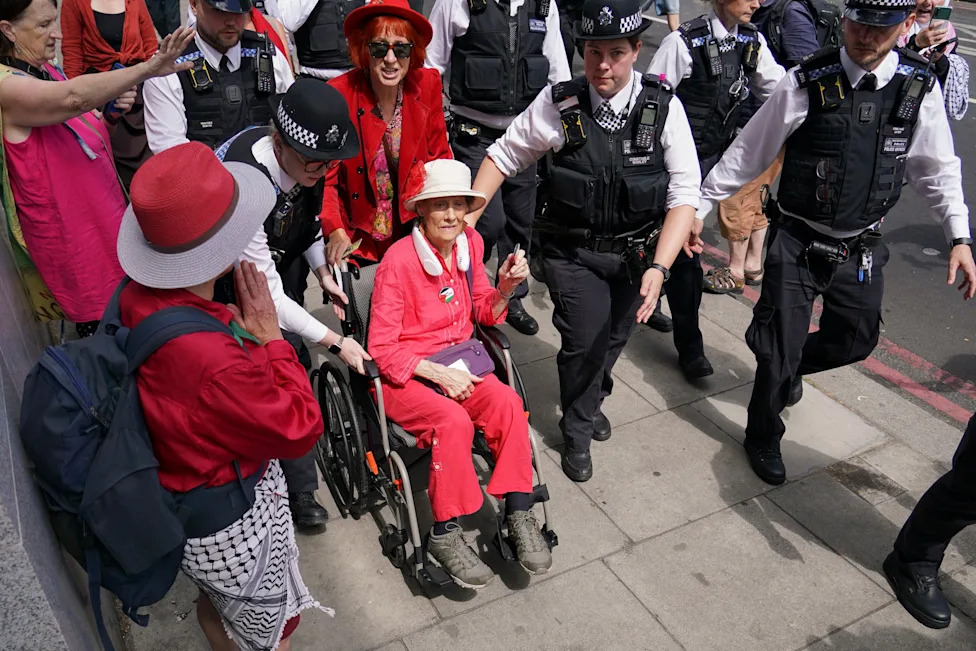
A demonstrator is arrested by the police outside the Westminster Magistrates Court in London, Thursday, July 30, 2026, as a plea hearing for 25 people accused of showing support for Palestine Action takes place. (AP Photo/Alberto Pezzali)(AP Photo/Alberto Pezzali)
Legal Background and Timeline
The arrests came as the group received permission to take its challenge against the ban to the U.K. Supreme Court. The proscription, introduced a year ago, makes membership in or public support for Palestine Action a criminal offence punishable by up to 14 years in prison.
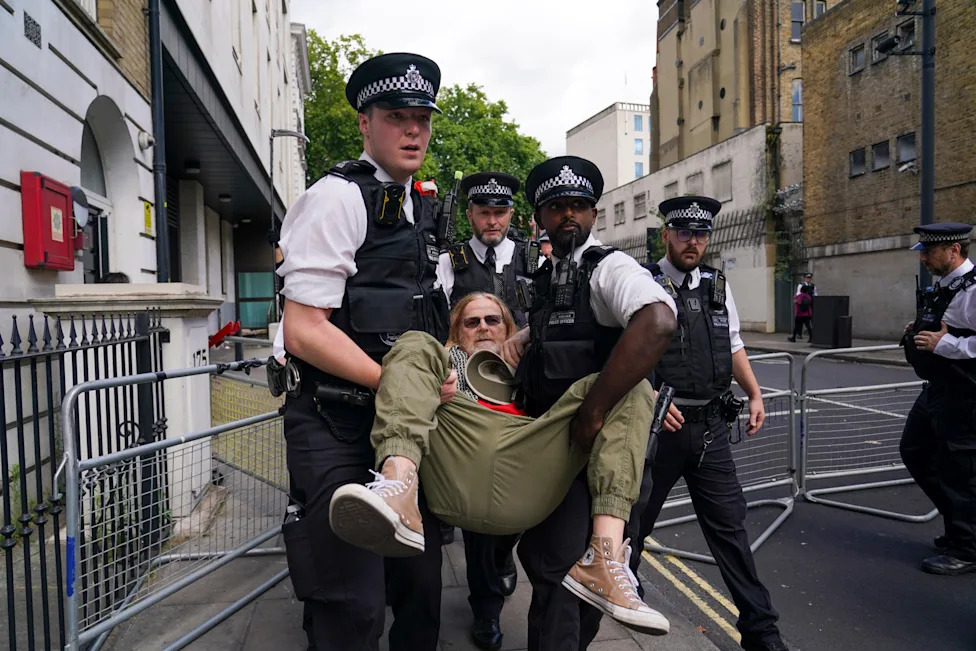
A demonstrator is arrested by the police outside the Westminster Magistrates Court in London, Thursday, July 30, 2026, as a plea hearing for 25 people accused of showing support for Palestine Action takes place. (AP Photo/Alberto Pezzali)(AP Photo/Alberto Pezzali)
Authorities say more than 3,000 people have been arrested since the group was outlawed — in some cases for acts as simple as holding placards reading 'I support Palestine Action' — and over 1,200 people have been charged under the Terrorism Act. Officials note that, to date, no one has been convicted under the prohibition.
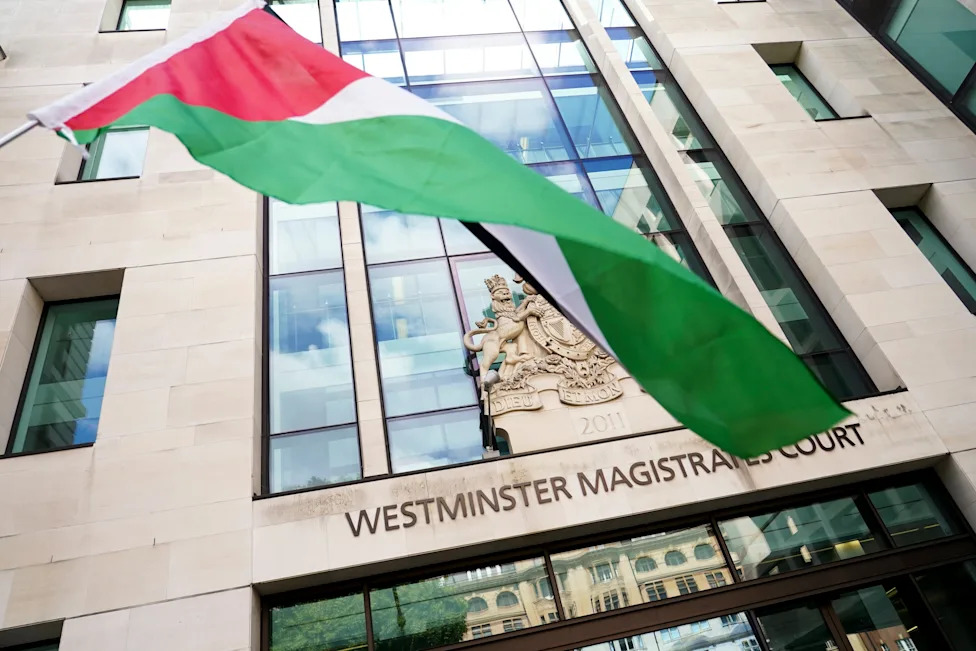
A Palestine flag waves outside the Westminster Magistrates Court, in London, Thursday, July 30, 2026.(AP Photo/Alberto Pezzali)(AP Photo/Alberto Pezzali)
The government moved to proscribe Palestine Action after activists breached a Royal Air Force base in June 2025 to protest Britain's military support for Israel's operation in Gaza. Palestine Action challenged the ban in court: the High Court quashed the proscription in February, but the Court of Appeal reinstated it in June, ruling the restriction on expression was 'justified and proportionate' and concluding the group had gone beyond nonviolent civil disobedience to employ tactics that could 'destroy property and cause injury.'
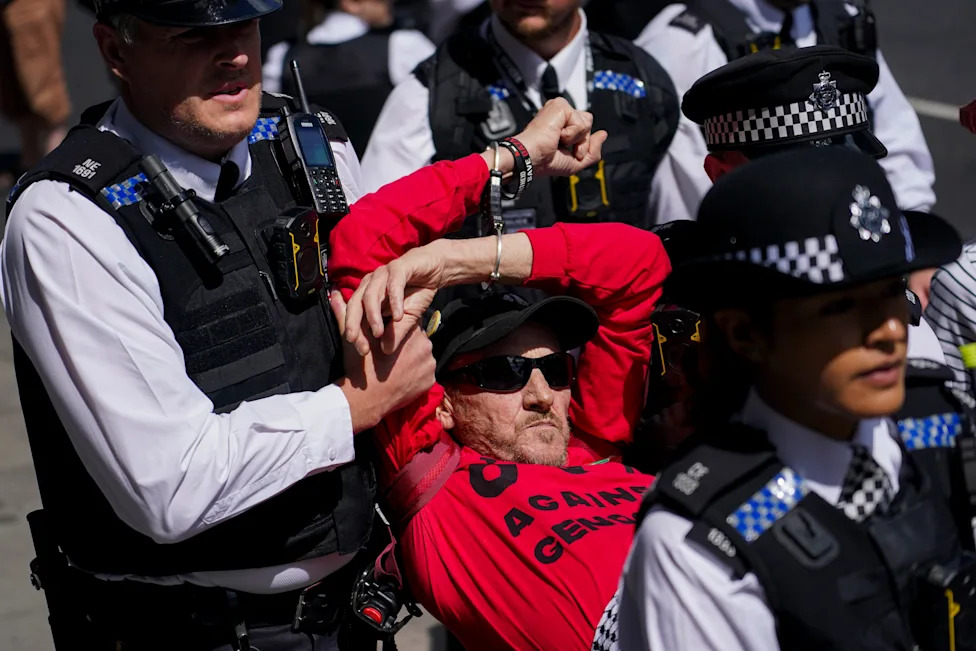
A demonstrator is arrested by the police outside the Westminster Magistrates Court in London, Thursday, July 30, 2026, as a plea hearing for 25 people accused of showing support for Palestine Action takes place. (AP Photo/Alberto Pezzali)(AP Photo/Alberto Pezzali)
Supreme Court Hearing And Immediate Effects
On Thursday the Supreme Court granted founder Huda Ammori permission to bring the case before the nation's highest judges. The hearing is expected to take place sometime between October and December. Court officials said all prosecutions of people charged with breaching the ban have been paused until the Supreme Court issues its ruling.
'I oppose genocide, I support Palestine Action,' chanted some demonstrators outside the court, illustrating how enforcement of the ban has become a flashpoint between authorities and campaigners.
The upcoming Supreme Court decision will determine whether the proscription remains in force and will influence how the law is applied to political protest and direct-action campaigns in the U.K. in future.
Help us improve.