This article exposes a global campaign in which tech firms and intermediaries bulk-purchased second-hand and rare books to scan them as training data for AI systems, often destroying the physical copies afterward. Reporting links services such as ISBNdb and highlights Anthropic's mass-acquisition efforts after hiring a former Google Books executive. Critics warn the practice exploits a legal loophole, risks erasing unique cultural artefacts and sidesteps licensing and compensation for authors. The controversy has prompted calls for clearer legal protections, preservation standards and fair licensing for AI training data.
Cultural Barbarism: How AI Firms Are Bulk-Buying, Scanning — and Destroying — the World's Books
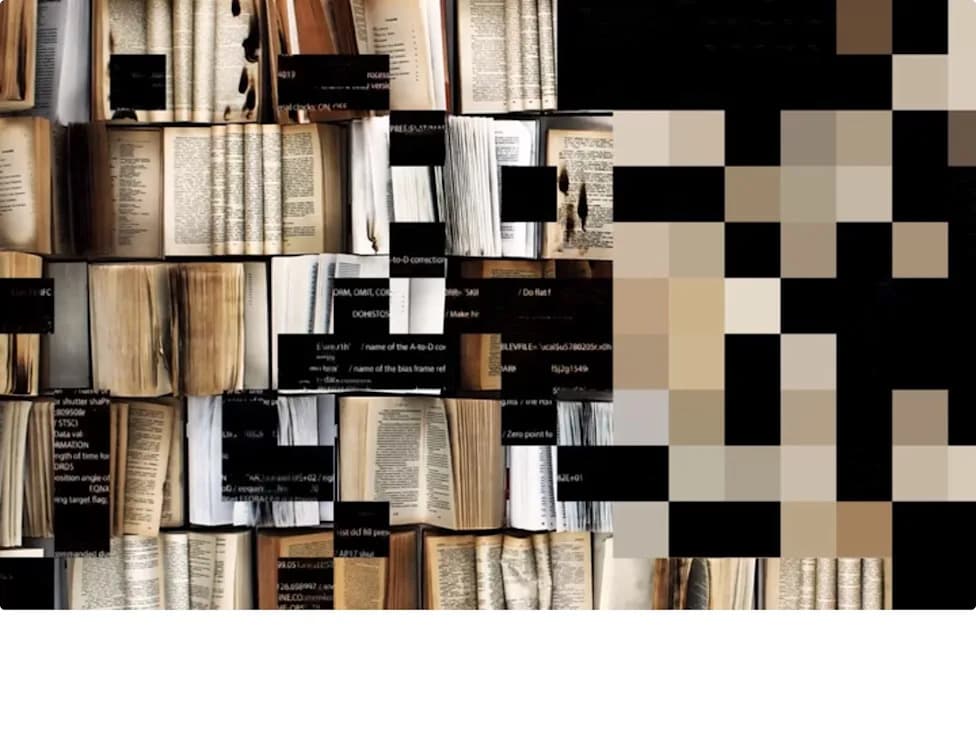
AI companies are destroying millions of old books
Time seems almost suspended inside Pieter de Vries's antiquarian map and bookshop in Haarlem's old town. The 60-year-old Dutch dealer specialises in maps, prints and illustrations — many from the 16th and 17th centuries — and keeps a small but valuable stock of rare books.
What Happened
The shop's routine was disrupted this summer when De Vries received an email from someone identifying herself as 'Nataly' at a company called 2077AI. Attached was a spreadsheet listing roughly 3,000 titles. That message turned out not to be a scam but an example of a wider, covert campaign: companies linked to Silicon Valley have been bulk-buying second-hand and rare books worldwide, feeding the pages into high-speed scanners and, in many cases, shredding or pulping the physical copies afterward.

Elon Musk expressed concern over the destruction of rare books during the digitisation process - Gonzalo Fuentes/Reuters
How The Programme Worked
According to reporting by 404 Media, services such as ISBNdb offered mechanisms to source very large quantities of used books — sometimes claiming capacity of up to a million volumes. The purchases often came from second-hand and mass-market sellers rather than specialist antiquarians, who say they rarely receive bulk requests. Once acquired, books were scanned for use as training data in large language models; court documents indicate some firms used hydraulic cutting machines to remove spines and discard the originals.
Legal And Strategic Context
The controversy intensified after Anthropic, maker of the Claude chatbot, hired a former Google Books executive, Tom Turvey, with the stated ambition of obtaining 'all the books in the world.' Internal documents and recent California court filings show Anthropic spent millions buying physical books in bulk. A judge ruled that digitising a book and then destroying the physical copy can be treated as a form of transformation — in that context, not a copyright infringement — a finding that creates a financial incentive to buy and destroy paper copies instead of negotiating licences with rights holders.
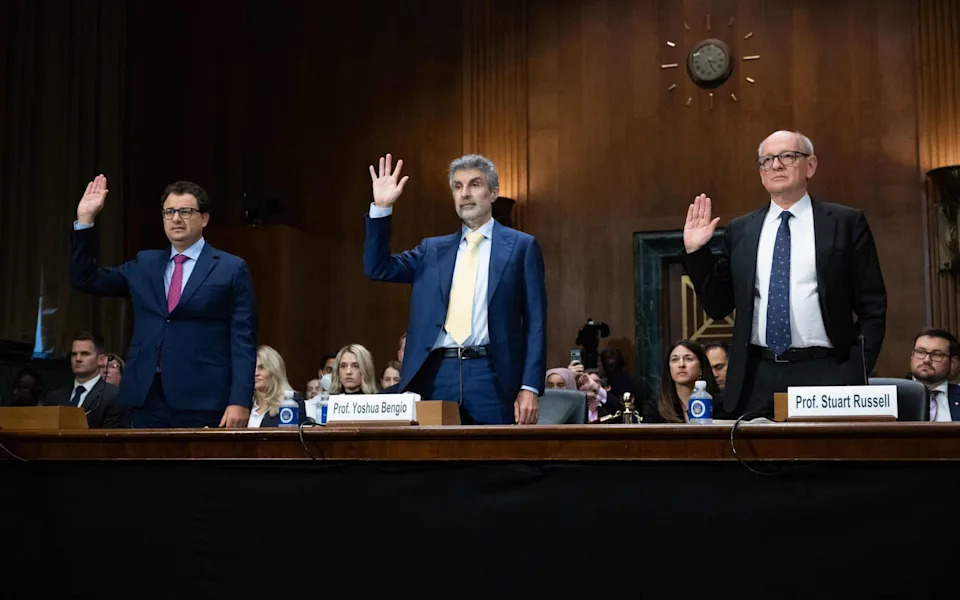
Dario Amodei, chief executive of Anthropic (far left), is sworn in to testify at a US Senate hearing on the oversight of AI, July 2023 - Saul Loeb
Why Critics Are Alarmed
'It is a kind of barbarism… like book burning,' says bookseller Pieter de Vries.
Critics argue the practice risks erasing unique cultural artefacts and exploits a legal loophole. Ed Newton-Rex, founder of the creator-rights group Fairly Trained, questions whether purchasing a single used copy should give a company the right to train a commercial model on that text. Marçal Font i Espí, a second-hand bookseller and literature lecturer, warns that the last publicly accessible copies of obscure works could be lost forever.
Responses From The Tech Community And Booksellers
Reactions have ranged from public unease to calls for more careful preservation. High-profile technologists — including Elon Musk — urged more respectful digitisation practices. Some AI insiders described the mechanised destruction of books as 'misanthropic.' Meanwhile, services implicated in the sourcing have defended their actions in limited statements, saying some offers were exploratory tests and emphasising the sensitivity of the optics.
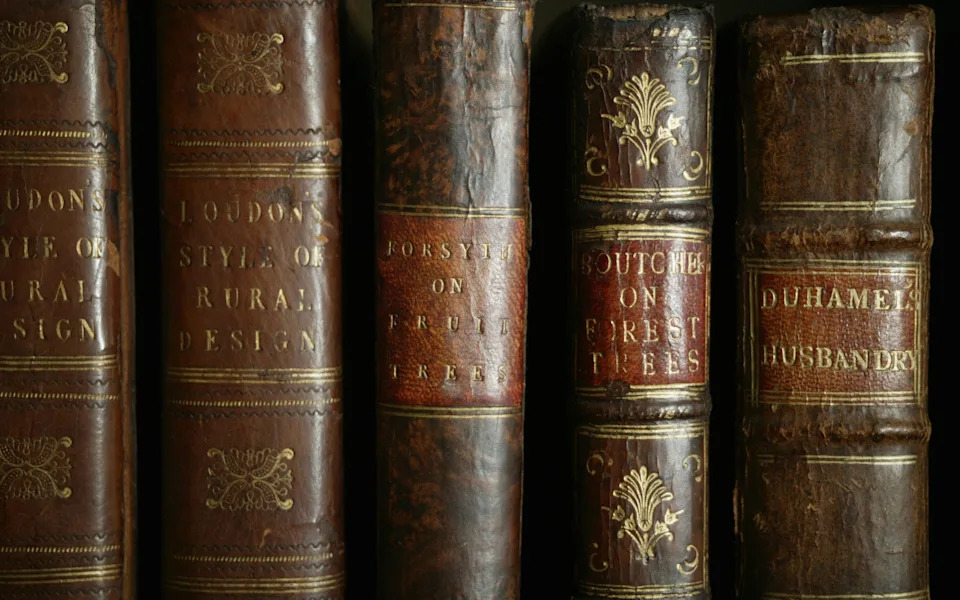
AI giant Anthropic is seeking to obtain 'all the books in the world' - Philip Hollis
What This Means Going Forward
The episode raises urgent questions about copyright, cultural stewardship and the ethics of data collection for AI. Many observers call for clearer rules: stronger legal protections for unique and rare physical copies, mandatory preservation standards for digitisation projects and fair licensing terms to ensure authors and rights holders are compensated when their work is used to train commercial models.
Bottom line: The mass acquisition and destruction of books for AI training has exposed a fraught intersection of technology, law and cultural preservation — and it has prompted renewed demands for regulation and ethical standards.
Help us improve.