Two more Ebola treatment centres in the DRC were burned amid rumours that response teams were infecting patients. The outbreak, centred in Ituri province, has killed over 1,500 people; a recent data harmonisation added roughly 500 deaths to the official tally. Mercy Corps reports dozens of security incidents—many linked to funeral restrictions—while analysts warn the epidemic is outpacing detection and response.
Ebola Clinics Torched in DRC as Misinformation and Distrust Fuel Violence
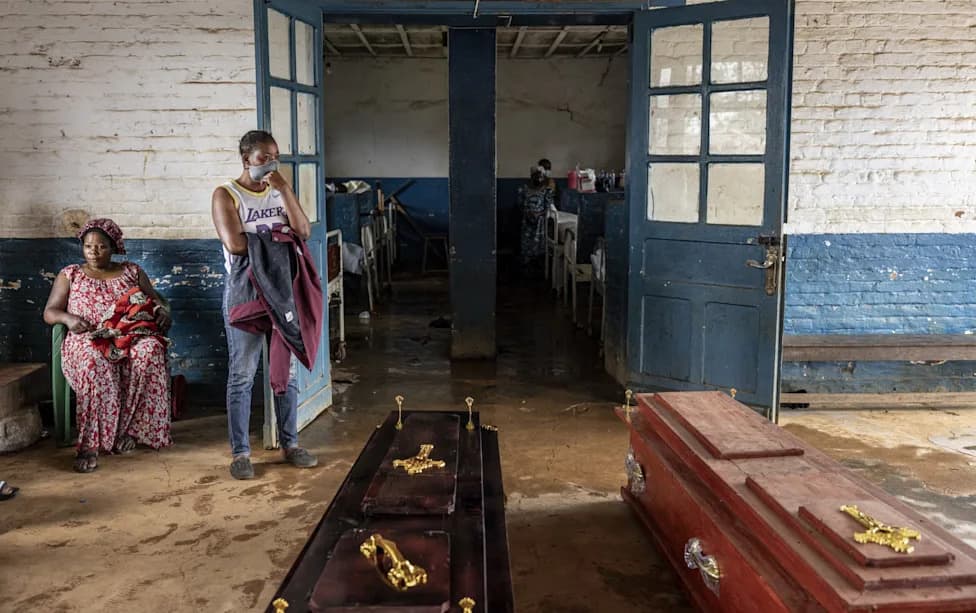
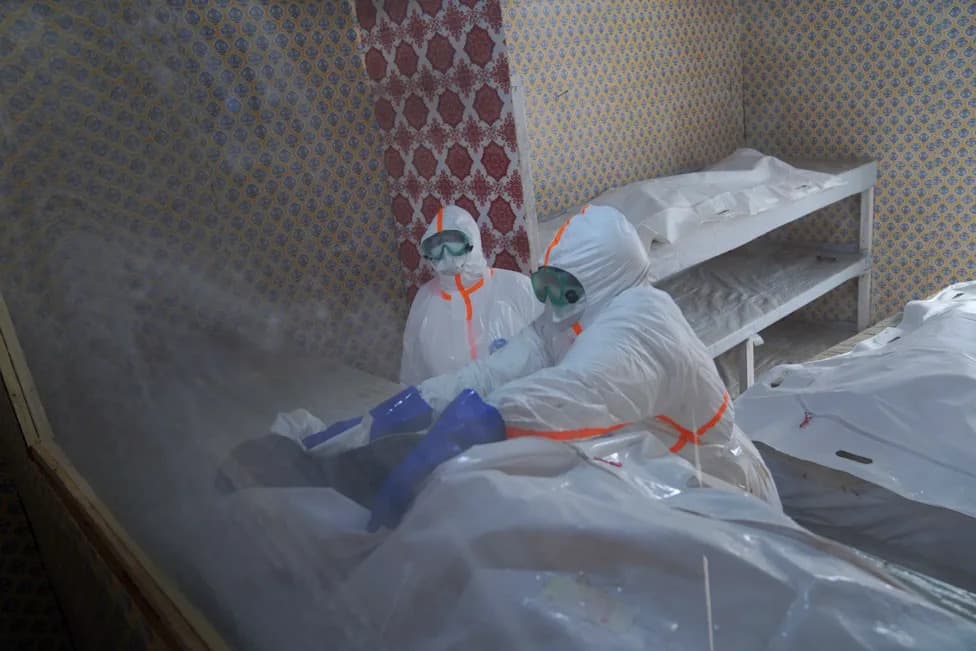
Funerals have frequently become super spreader events during Ebola outbreaks - Michel Lunanga/Getty Images
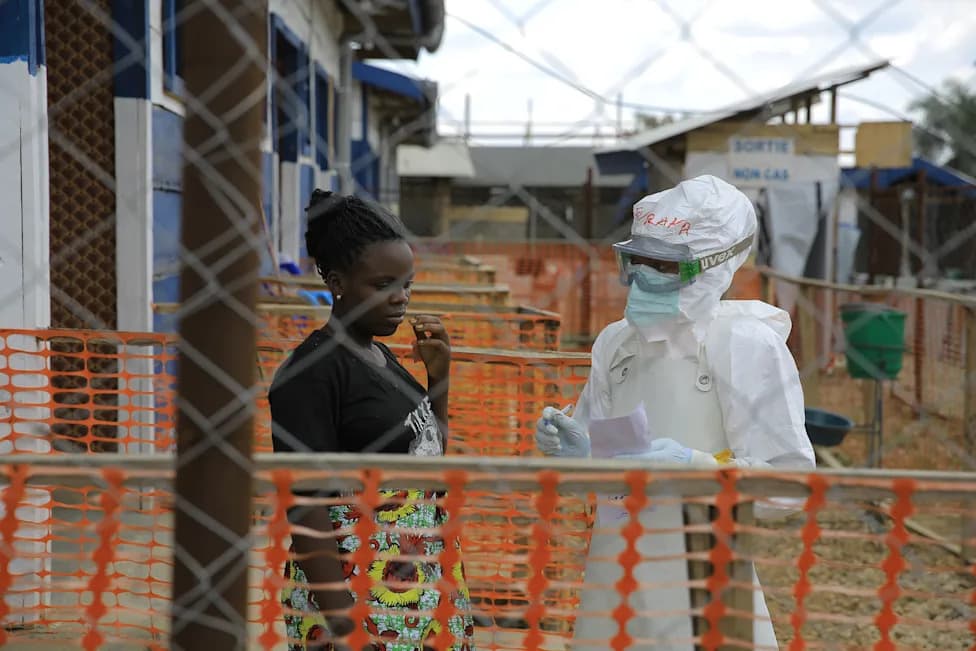
Two more Ebola treatment centres have been set ablaze in the Democratic Republic of Congo (DRC) as mistrust and misinformation about response teams spark violent attacks that undermine containment efforts.
Details of the Attacks
Local reports say the Zawadi (Mapendo) health post in the Bulengera commune of Butembo was burned on July 27 after rumours spread that a health worker was deliberately infecting patients or falsely diagnosing them with Ebola. Two days later, on July 29, the Crinovic Hospital Centre in Kavikene (Congo Ya Sika district) was also set alight amid accusations that its director was killing patients under the pretext of Ebola. At least a dozen medical facilities have now been targeted since the outbreak was declared.
Spread and Death Toll
The outbreak, centred in north-eastern Ituri province, is the fastest-growing on record and has claimed more than 1,500 lives. Authorities reported the official death toll rose by roughly 500 after a "data harmonisation" across regions — a consolidation of records that does not necessarily mean all those deaths occurred within the same recent week. The government also reported 50 confirmed deaths in the previous 24 hours.
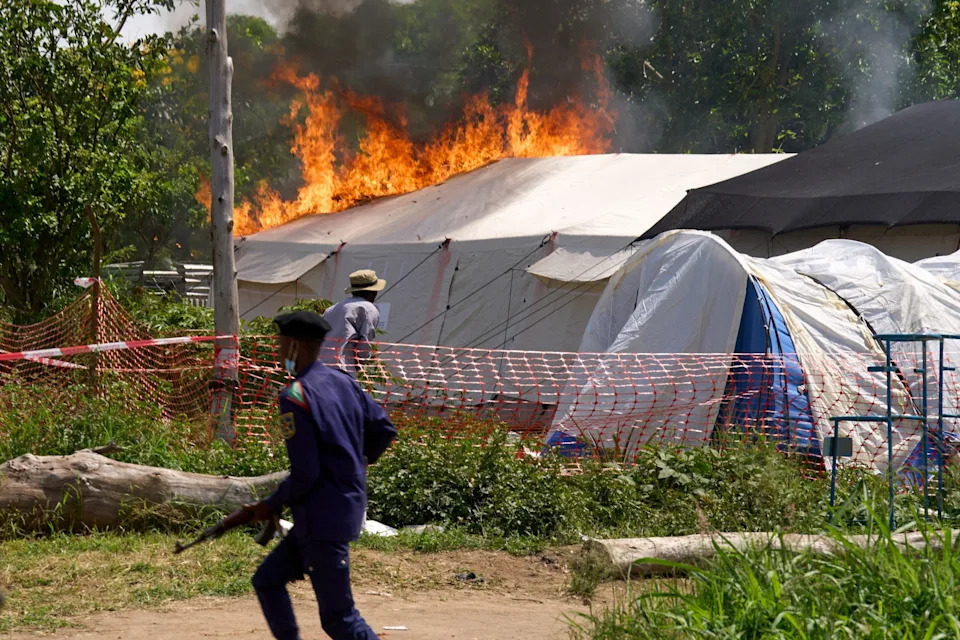
An Ebola treatment centre in flames after a previous attack in Rwampara, back in May - Dirole Lotsima Dieudonne/AP
Misinformation, Fear and the Trust Gap
Health workers say early resistance often stemmed from scepticism that Ebola exists, or beliefs it is a money-making scheme or the result of supernatural forces. While outreach and understanding have improved in many areas, communities remain wary of outside medical teams and often accuse responders of bringing, spreading or profiting from the virus. Funeral restrictions — imposed to prevent transmission from highly infectious corpses — are a frequent flashpoint.
"The barrier is often fear: fear of dying inside a treatment centre and fear of the social consequences after seeking care. This is fundamentally a trust issue," said Grace Wairima Ndungu of Mercy Corps.
Security Incidents and Funeral Disputes
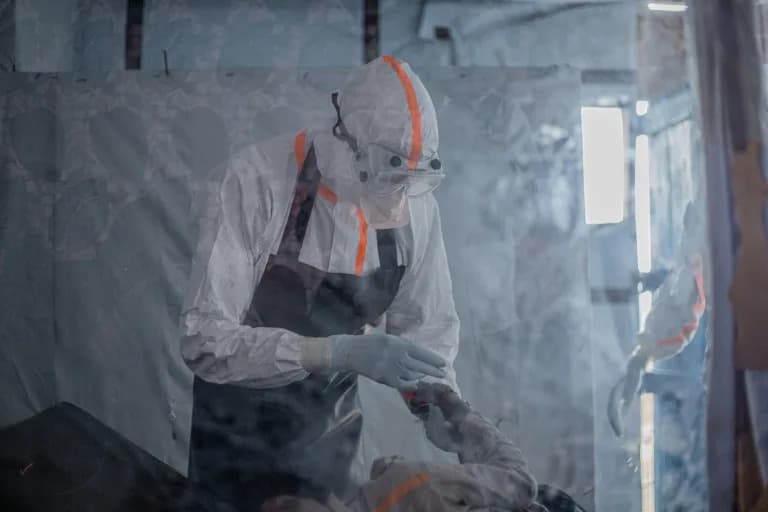
Mercy Corps documented 68 security incidents from mid-May to early July, resulting in 48 casualties (eight killed and 40 injured). Rules limiting traditional funerals and restricting the return of bodies were the cause in 22 of those incidents. Funerals have frequently become super-spreader events in past Ebola outbreaks because mourners may become infected while preparing or touching bodies.
Strain, Historical Context and Outlook
Officials say this flare-up is driven by the relatively rare Bundibugyo strain. This is the 17th Ebola outbreak recorded in the DRC since the virus was first identified in 1976. Health analytics firm Airfinity warns the outbreak "continues to outpace detection and the response," and there is a high risk it could spread further inside the country without improved surveillance, community engagement and protection for responders.
What Needs To Be Done
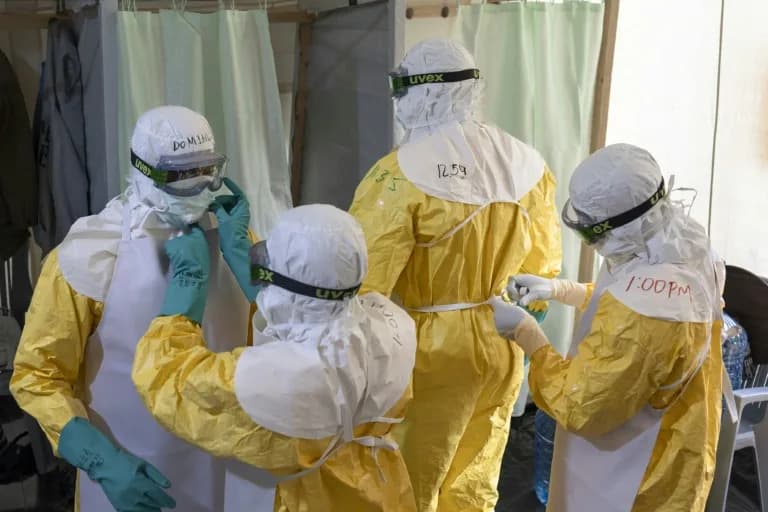
Experts emphasise that restoring community trust is as important as medical care: clear communication, collaboration with local leaders, culturally sensitive funeral protocols, and security measures to protect clinics and staff are essential to slow transmission and save lives.
Help us improve.