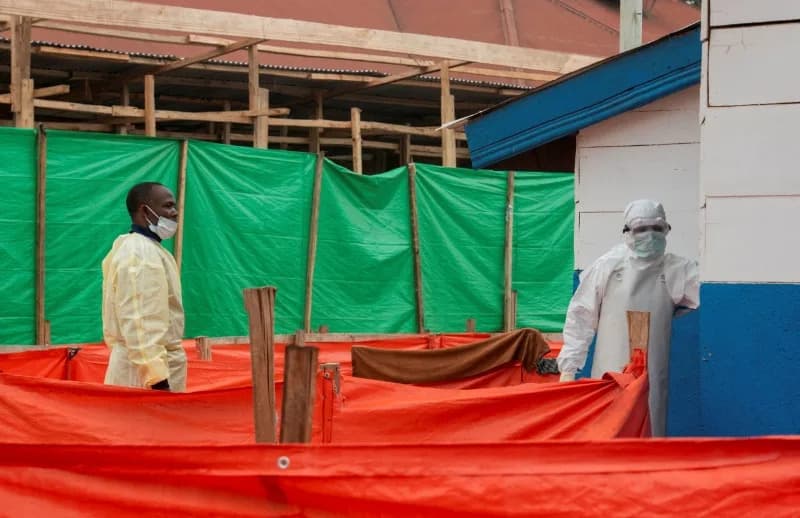
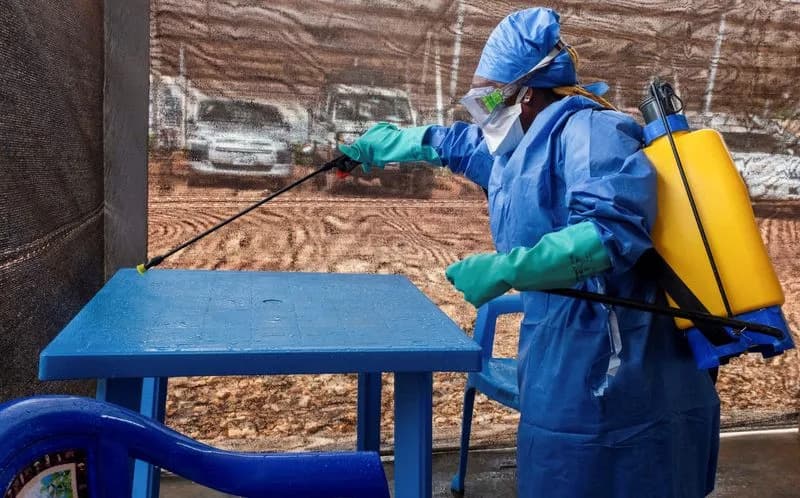
The Ebola outbreak in eastern DRC has killed at least 1,521 people and involved 3,442 confirmed and suspected cases, with nearly 800 patients hospitalized. Contact tracing is operating at 78.3%, below the WHO's 90–95% target to halt spread. Aid groups say community mistrust, insecurity and shortages of supplies and trained staff are major obstacles. Meanwhile, neighboring Uganda has declared its outbreak over after about 20 mostly travel-related cases.
Ebola Outbreak in Eastern DRC Kills 1,521 as Cases Surge and Contact Tracing Falls Short
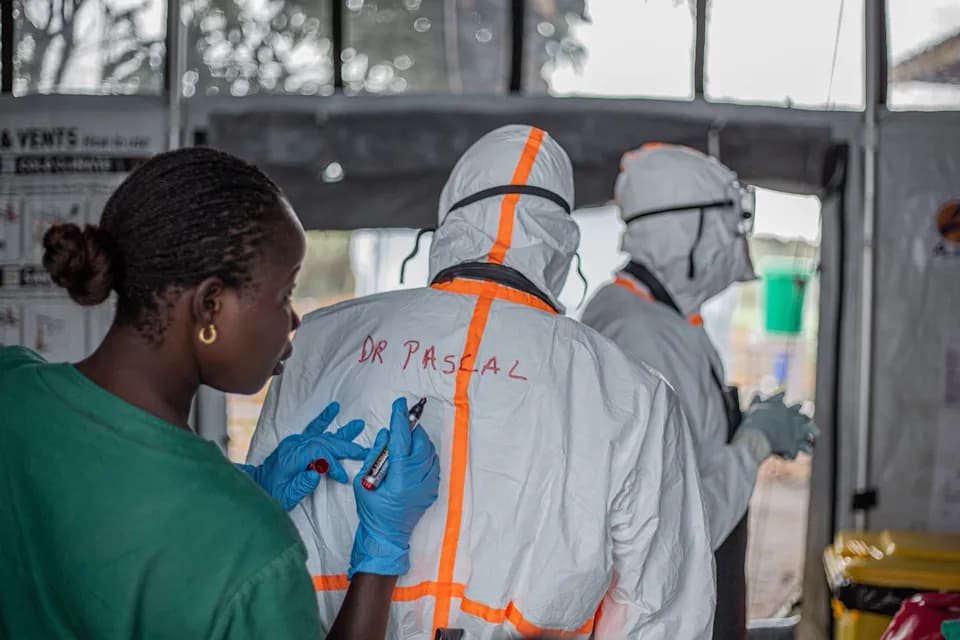
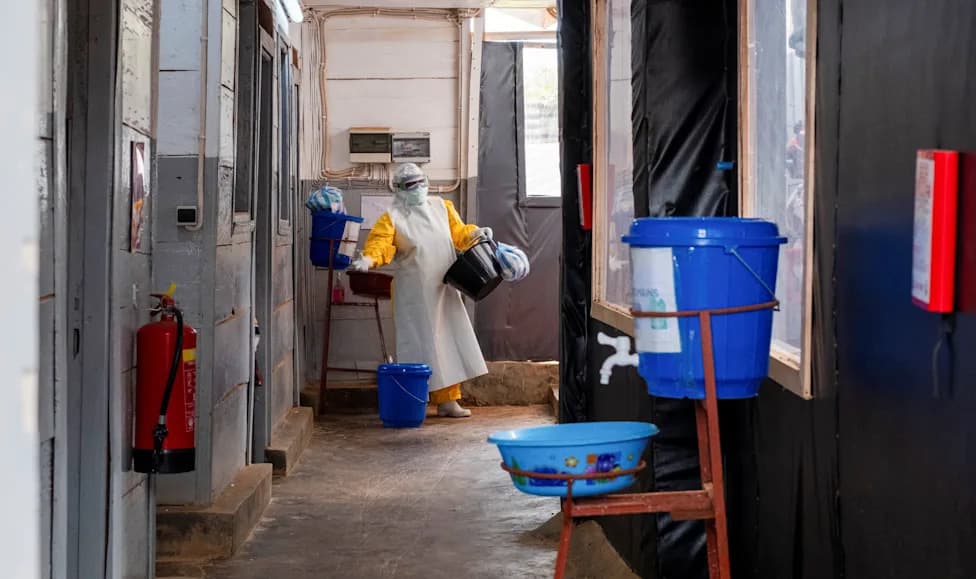
Benediction Murhabazi/AFP via Getty Images - PHOTO: A worker writes a doctor's name on the back of his personal protective equipment suit before entering the Rwampara Ebola Treatment Centre to care for patients with Ebola virus disease in Bunia, Ituri, July 13, 2026.
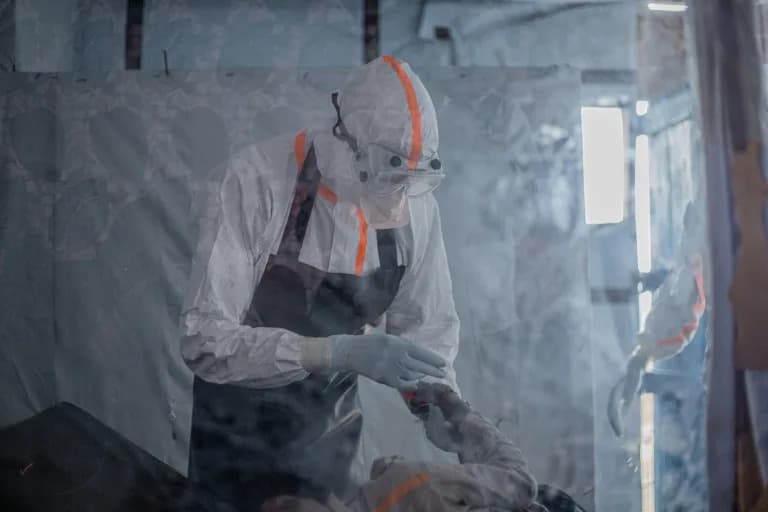
More than 1,500 people have died as an Ebola outbreak continues to spread across eastern Democratic Republic of the Congo, government figures show. As of Tuesday, health authorities reported at least 3,442 confirmed and suspected cases and 1,521 deaths, with 797 patients currently hospitalized or in isolation.
Outbreak Overview
The outbreak was first identified in Ituri province, with cases officially confirmed by the DRC Ministry of Health on May 15. Officials say the majority of infections are in Bunia, the provincial capital, but cases have also been recorded in North Kivu, South Kivu, Haut-Uele and Tshopo. Health authorities and partners report the virus linked to this outbreak is the Bundibugyo strain.
Gaps in the Response
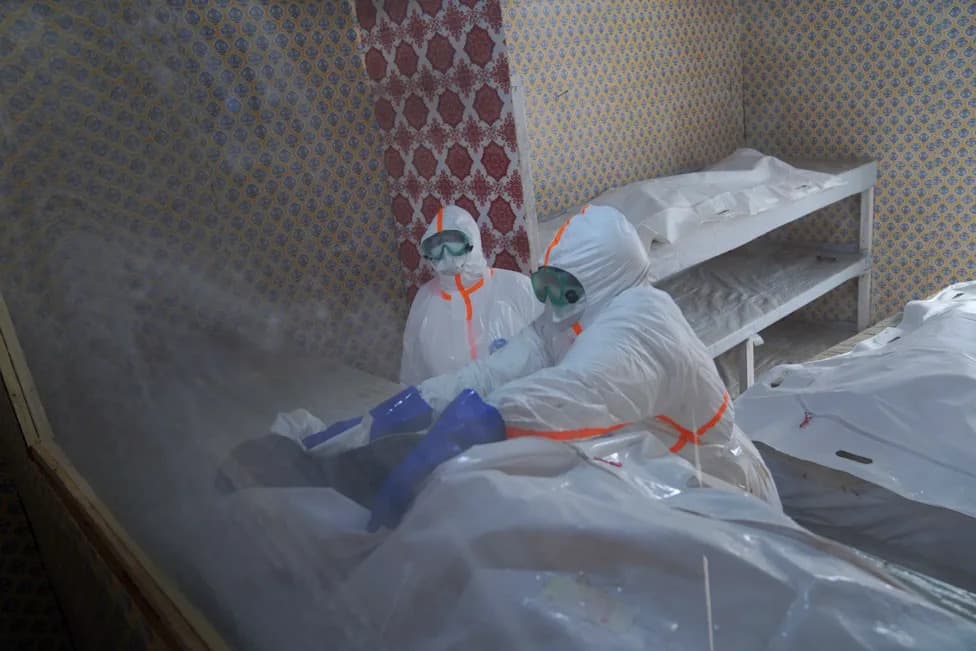
Contact tracing coverage currently stands at 78.3%, well below the 90–95% level the World Health Organization (WHO) says is needed to stop transmission. Aid groups and local responders warn that community mistrust, ongoing insecurity from armed groups, shortages of burial and medical supplies, and limited numbers of trained epidemiologists are hampering containment efforts.
"In 10 weeks we have recorded nearly as many cases as during the 2018–2020 outbreak — that is alarming and should stop us in our tracks," said Onesphore Bangenza, Mercy Corps' Ebola response team leader in Bunia. "The virus is moving faster than we can contain it. The response needs more than money: it needs people, equipment and community engagement."
On the Ground
A doctor working on the response, speaking on condition of anonymity, told ABC News that supplies for safe, dignified burials are running short in some areas. "People are crying because they don't even have the materials needed to bury the bodies," the doctor said. He also warned that there are far too few trained epidemiologists to carry out the intensive contact tracing required for an outbreak of this scale.
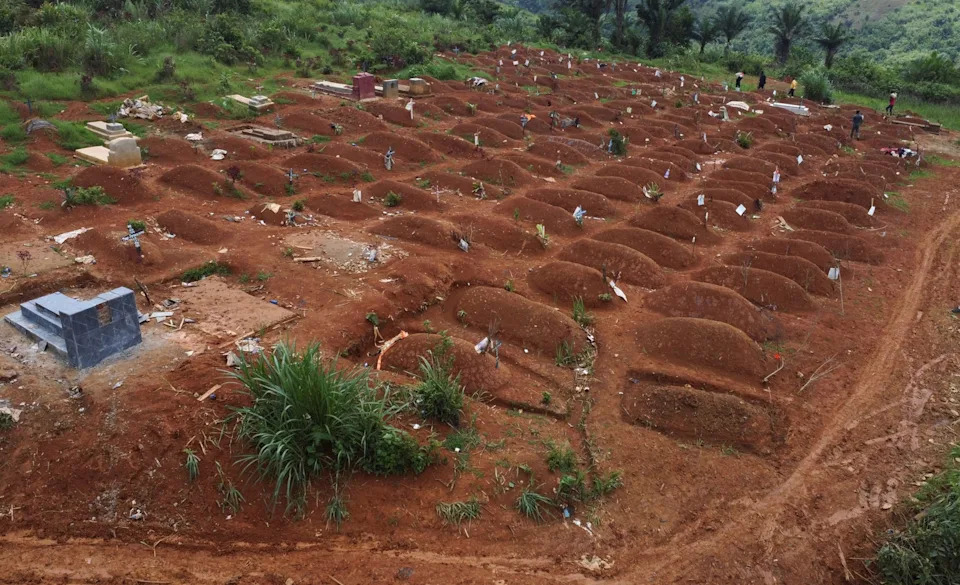
Gradel Muyisa Mumbere/Reuters - PHOTO: A drone view of workers at the Ceca-20 cemetery, as aid agencies intensify efforts to contain an Ebola outbreak caused by the Bundibugyo virus, in Mungwalu, Djugu Territory of Ituri province, Democratic Republic of Congo, July 14, 2026.
PHOTO: A worker writes a doctor's name on the back of protective gear before entering the Rwampara Ebola Treatment Centre in Bunia to care for patients (Bunia, July 13, 2026).
PHOTO: A drone view of workers at the Ceca-20 cemetery in Mungwalu, Djugu Territory, as agencies step up containment efforts (July 14, 2026).
Regional Context
Neighboring Uganda declared its own Ebola outbreak over earlier this week after reporting about 20 cases, most of them travel-related, the country's health ministry said. Dr. Jean Kaseya, head of the Africa Centres for Disease Control and Prevention (Africa CDC), praised the response in Uganda and commended health workers, communities and partners for their efforts.
What Needs to Happen
Responders say the immediate priorities are boosting safe and dignified burial supplies, expanding and accelerating contact tracing by deploying more trained epidemiologists, strengthening community engagement to rebuild trust, and ensuring humanitarian access in insecure areas. Coordination between national authorities, WHO, Africa CDC and aid organizations will be critical to slowing transmission.
Help us improve.