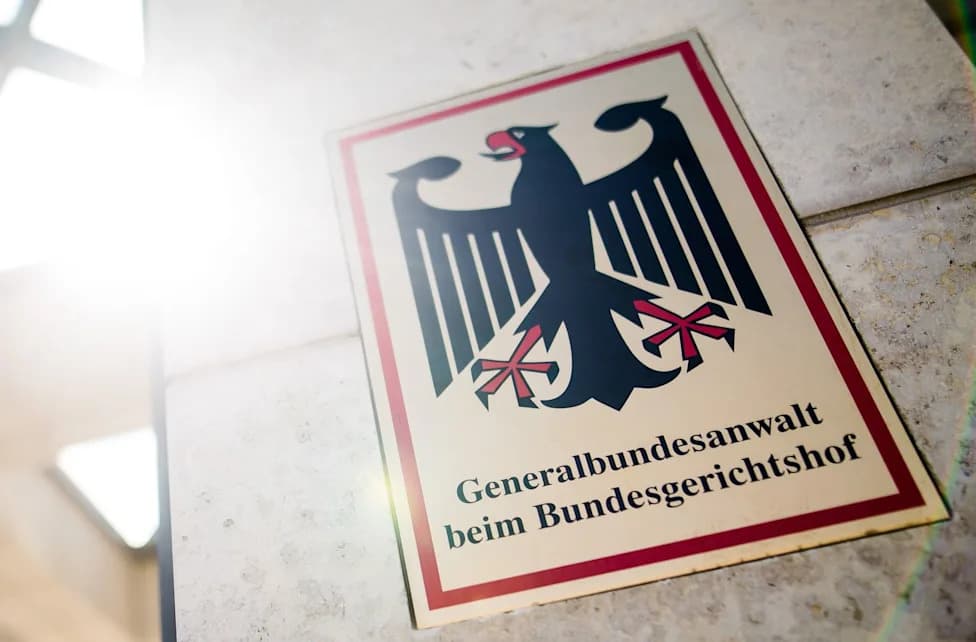
Belgian prosecutors have arrested a Canadian woman of Chinese origin who was interning at NATO’s SHAPE headquarters in Mons on suspicion of spying for a foreign country and belonging to a criminal organisation. NATO security services reportedly alerted Belgian authorities, leading to searches and one month of pretrial custody for the suspect. Canadian authorities — including CSIS and the RCMP — are involved, and Ottawa has said it will review its security-screening procedures.
Canadian Intern Arrested At NATO HQ In Belgium On Suspicion Of Spying — What We Know
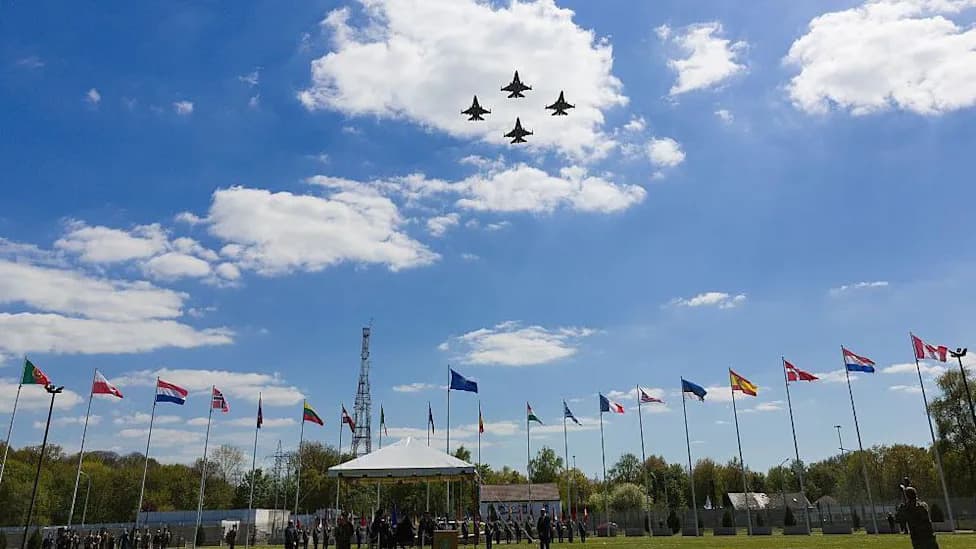
The suspect is an intern at Nato's Supreme Headquarters Allied Powers (Shape) Europe in Mons, Belgium [Getty Images]
Belgian prosecutors say a Canadian woman of Chinese origin who was interning at NATO’s Supreme Headquarters Allied Powers Europe (SHAPE) in Mons has been arrested on suspicion of espionage. NATO security services reportedly alerted Belgian authorities, prompting searches of the suspect’s home and workplace inside the alliance’s headquarters.
Investigation And Charges
Belgium’s Federal Prosecutor’s Office said prosecutors suspect the woman of "spying on behalf of a third country and of being a member of a criminal organization." The office has not publicly identified the suspect or named the foreign government allegedly involved. Local reporting indicates the suspect has been ordered into one month of pretrial custody while investigators continue their probe.
Context: The Role Of SHAPE And Vetting
SHAPE is the central military headquarters of NATO’s Allied Command Operations and is responsible for planning and executing Alliance operations. According to SHAPE guidance, the responsibility for initiating security vetting for interns usually lies with the host country — in this case, Canada — and the time required to obtain a security clearance can vary widely, from about eight weeks to as long as 18 months depending on national procedures.
Canadian And NATO Responses
Global Affairs Canada confirmed that decisions to grant, deny or revoke security clearances for Canadians in international organisations are made by the federal government following security assessments provided by the Canadian Security Intelligence Service (CSIS). The Royal Canadian Mounted Police (RCMP) said it is assisting Belgian law enforcement partners but declined further comment.
"The Alliance remains fully committed to protecting Allied personnel, safeguarding classified information, and maintaining the trust and security upon which the Alliance depends," a NATO spokesperson told U.S. media.
Canada’s Minister of Public Safety, Gary Anandasangaree, said Ottawa will review its security screening procedures in light of the case and is working to "get to the bottom of what happened."
Ongoing Probe And Wider Implications
Belgian authorities are continuing their investigation in cooperation with NATO security services and Canadian partners. The case has renewed attention on vetting practices for internships and foreign postings at international institutions and on broader concerns about foreign influence operations.
What remains unclear: authorities have not identified the suspect by name and have not disclosed which foreign government she is alleged to have spied for. Investigators are working to determine whether the arrest is linked to a broader network or an isolated incident.
Help us improve.