Elon Musk called The Economist editor Zanny Minton Beddoes "a traitor to the West" after an interview, and has since used the label against several public figures. The U.S. Constitution narrowly defines treason, but in practice "traitor" has been broadened into a political insult used across the spectrum. Historically the charge has been used to punish dissent and has been weaponized in racial and partisan conflicts; critics warn that this rhetorical expansion can undermine democratic norms and enable extremist violence.
Who Is Elon Musk Calling a 'Traitor'? How a Loaded Word Became A Political Weapon
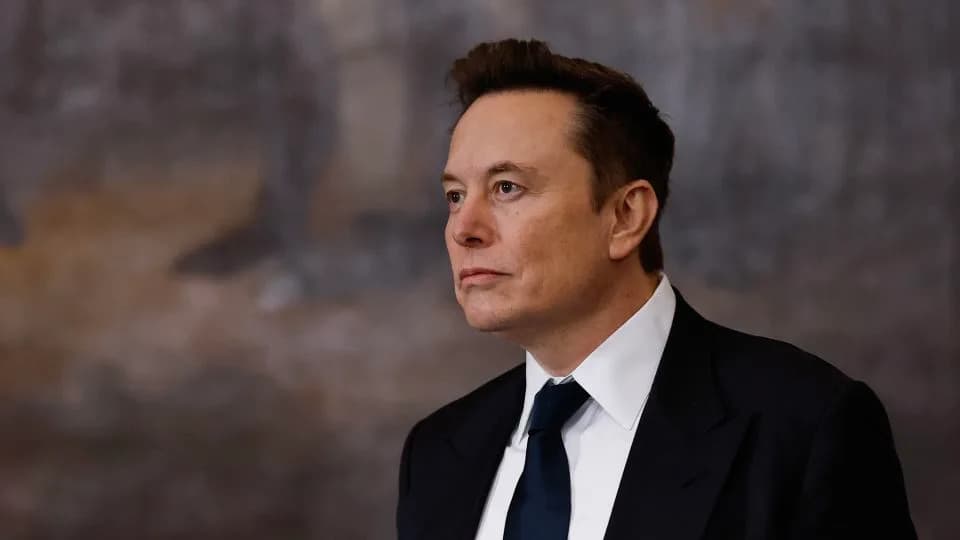
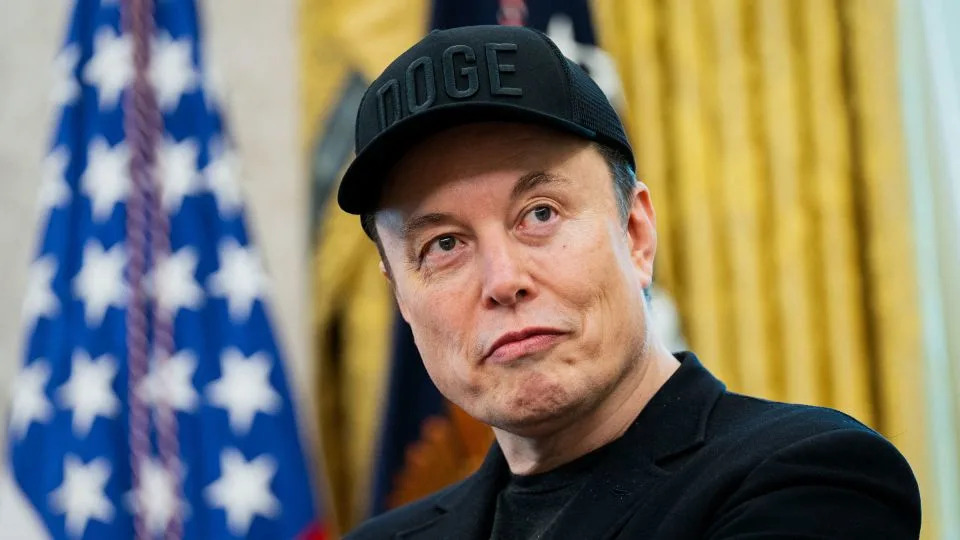
Elon Musk is constantly accusing people of being "traitors." - Chip Somodevilla/AFP/Getty Images
Elon Musk called The Economist editor-in-chief Zanny Minton Beddoes "a traitor to the West" after a wide-ranging interview that pressed him about his ties to Europe’s far right, anti-Muslim comments and cuts to humanitarian aid he supported while advising the Trump administration. He has since broadened the label, applying it to other politicians and public figures on his social platform.
What Musk Said And How He Used The Word
After the interview, Musk posted on his social network: "She is a traitor to the West, plain and simple." Over a recent weekend he also declared, "anyone who opposes remigration is a traitor" and said "anyone who doesn't love America" could be branded the same way. Public figures he has named include Minnesota Gov. Tim Walz, Sen. Mark Kelly, Rep. Ilhan Omar and Spanish Prime Minister Pedro Sánchez. CNN has reached out to Musk for comment.
illustration by Alberto Mier/CNN
Legal Meaning: Treason Under The U.S. Constitution
The ordinary insult "traitor" is distinct from the narrow, legal crime of treason. Article III of the U.S. Constitution defines treason as limited to very specific acts:
"Treason against the United States, shall consist only in levying War against them, or in adhering to their Enemies, giving them Aid and Comfort."
Scholars such as Thomas Main note that the Founders intentionally adopted this tight definition to prevent partisan abuse of the charge and protect political dissent from being recast as a criminal betrayal.
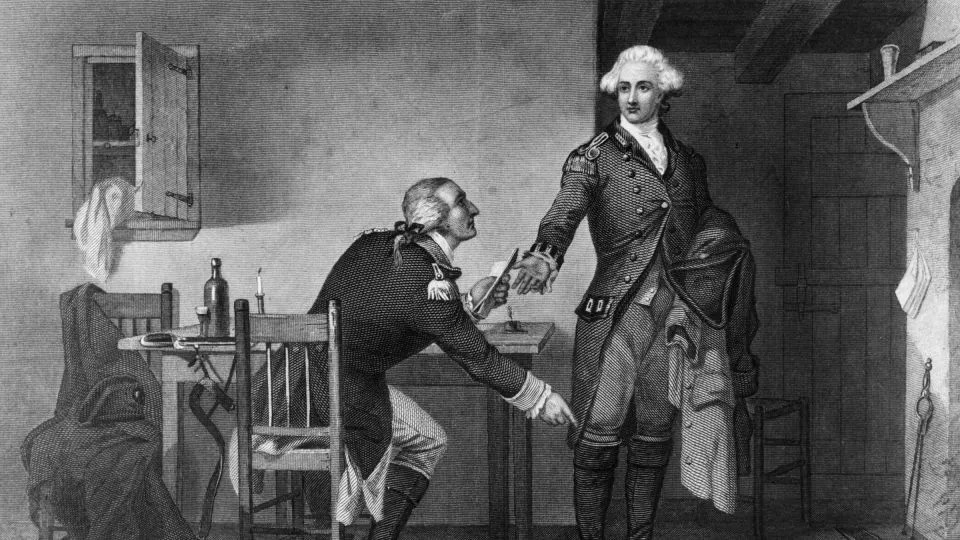
Benedict Arnold's betrayal of the Continental Army made him synonymous with the word "traitor." - Hulton Archive/Getty Images
Historical Uses And Symbolic Weight
The word "traitor" carries centuries of moral and historical stigma. In English it dates to the early 13th century (from Latin trādēre, "to hand over") and has been attached to infamous figures such as Marcus Junius Brutus, Judas Iscariot, Benedict Arnold and Vidkun Quisling. Those associations contribute to the word's power as an accusation.
Race, Politics, And The Weaponization Of "Traitor"
Throughout U.S. history, accusations of "treason" or being a "traitor" have often been applied far more loosely than the constitutional standard. In the mid-20th century segregationists and the Ku Klux Klan used the phrase "race traitor" to vilify white allies of the Civil Rights Movement; historian Catherine Fosl documents this abuse in the case of Anne Braden. South Africa's apartheid government also charged Nelson Mandela and other anti-apartheid activists with treason in a politically motivated trial that ended in acquittal.
The word "traitor" has become a go-to insult on the political right. - Allison Robbert/AFP/Getty Images
In the 1990s some leftist activists deliberately reclaimed the term—through the journal Race Traitor—to challenge the social category of whiteness, but the more consequential trend has been the rightward expansion of traitor rhetoric into mainstream conservative discourse, where politics is framed as war and opponents are cast as enemies of the nation.
Modern Political Rhetoric And Extremist Links
Contemporary figures on the right have frequently used "traitor" as a blanket insult for political opponents. The label has also been amplified in far-right online spaces. Musk has reposted far-right memes such as "first the traitors, then the invaders," a slogan that advocates targeting those seen as supporting immigrants before attacking immigrants themselves. That logic echoes the violent fiction in the 1978 novel The Turner Diaries, which depicts the execution of "race traitors" and has inspired real-world racist violence.
Why The Distinction Matters
Calling political adversaries "traitors" collapses a complex civic debate into a moral condemnation that can discourage dialogue, normalize dehumanizing language and, in extreme cases, encourage violence. Legal and historical context shows why many democratic institutions and theorists resist expanding the legal concept of treason into a catch-all political slur.
Bottom line: Musk's use of "traitor" highlights how powerful words with specific legal and historical meanings can be repurposed in modern politics. When deployed indiscriminately, the charge risks eroding democratic norms and fueling extremist narratives.
Illustration by Alberto Mier/CNN. For more reporting, see CNN's coverage; CNN has contacted Musk for comment.
Help us improve.