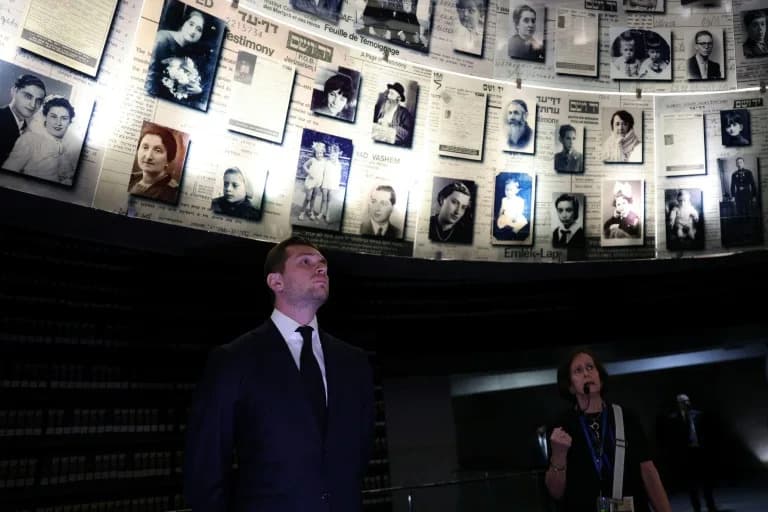
Alan Dershowitz argues that the modern left’s hostility toward Israel is a departure from earlier left‑wing support that followed the 1947 UN recognition and the 1948 war. He traces the shift to the Soviet Union’s mid‑20th century realignment toward Arab regimes and says that this influenced communists and academics worldwide. The October 2023 Hamas attacks intensified polarization, spreading anti‑Israel sentiment into parts of the center‑left and creating political pressures on Democratic lawmakers. Dershowitz calls for a more principled, nuanced debate within the party and highlights a few Democrats who continue to defend Israel’s right to exist.
Will Democrats Confront Anti‑Israel Sentiment Within Their Party?
AP
Thesis: The contemporary left—especially its more militant factions—has become markedly hostile toward Israel and Zionism in ways that contradict earlier left‑wing support. This piece traces how that shift occurred, examines its consequences after October 2023, and urges a more principled debate within the Democratic Party.
Historical Background
When the United Nations voted to recognize a Jewish nation‑state in 1947, many left‑wing governments, parties, and individuals supported the decision. In 1948, several communist states even provided arms and intelligence to the new state of Israel during its war for survival; prominent Israeli figures, including Shimon Peres, were regular participants at socialist events.
Support persisted until the Soviet Union pivoted toward courting oil‑rich Arab regimes. As Moscow reoriented its foreign policy, many domestic communist parties and, later, sectors of the academic left, adopted positions hostile to Israel.
Contrasts With Regional Regimes
At the time of that realignment, Israel had many institutions and practices often associated with liberal values: religious pluralism, a largely independent judiciary, protections for free speech, and expanding gender equality. By contrast, a number of Arab and Muslim states in the region then lacked comparable protections for political freedom, religious liberty, gender equality, and independent courts.
Despite that reality, critics recast Israel as a colonial, imperial, or settler state dispossessing indigenous peoples. This narrative overlooked important complexities—Israel’s founding struggle against British rule, the diverse origins of Israeli citizens, and the long histories of Jewish communities in the region. Even after internationally mediated peace proposals (including negotiations involving President Bill Clinton), many on the left continued to oppose Israel’s right to defend itself.
Polarization Since October 2023
The attacks of October 7, 2023—when Hamas militants breached the Gaza‑Israel barrier and carried out large‑scale killings, rapes, and kidnappings of civilians—sharpened political divides. The hard left intensified its denunciations of Israel, and anti‑Israel sentiment moved into parts of the center‑left. Some commentators and activists began to level accusations such as genocide and war crimes; others argued that Israel’s military response warranted scrutiny.
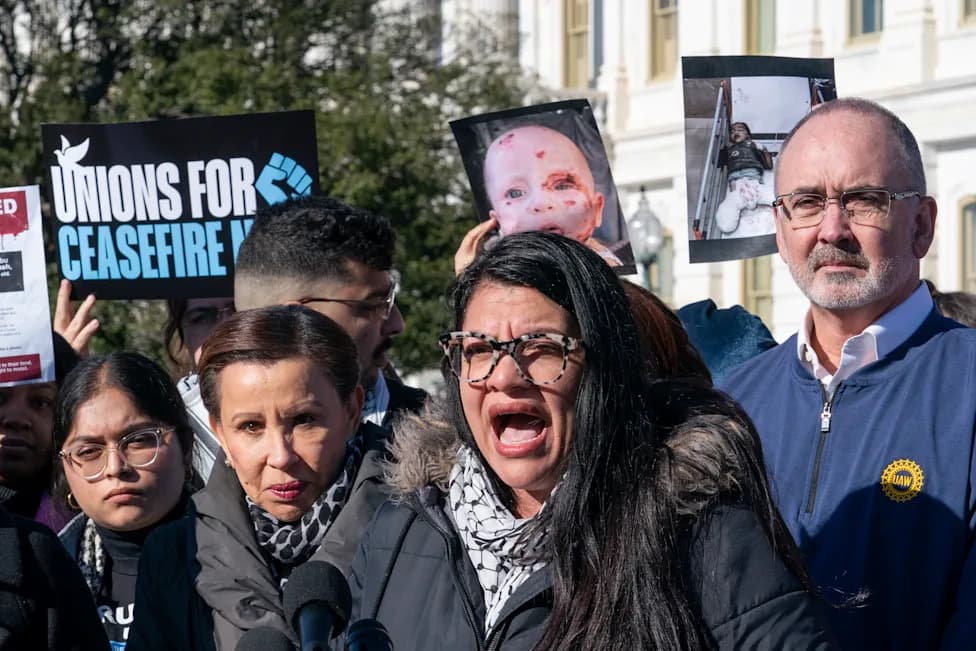
These debates have placed pressure on center‑left politicians, academics, and journalists. Some elected Democrats have signaled criticism of Israeli actions; others have sought to defend Israel’s right to exist and to respond to attacks. Primary dynamics in certain Democratic districts have also complicated lawmakers’ calculations about how to vote or speak on these issues.
Institutions and Incentives
Major media outlets and campus movements have been accused of amplifying narratives that simplify or vilify Israel. Meanwhile, some university faculty and administrators report reluctance to publicly defend Israel out of concern for professional backlash. Critics argue that, in some circles, it has become politically or socially easier to adopt an anti‑Israel posture than to voice nuanced or supportive views.
Voices of Dissent and Hope
There are, nonetheless, Democrats who have resisted the prevailing currents and pushed for a more balanced approach. Senators and representatives such as John Fetterman and Josh Gottheimer have been cited as examples of lawmakers willing to articulate a nuanced defense of Israel’s right to exist while also acknowledging the complexity of the conflict.
Conclusion
The debate over Israel on the American left is shaped by history, realpolitik, moral claims, and electoral pressure. A healthier conversation would acknowledge past shifts in alignment, evaluate contemporary accusations on their merits, protect free academic and journalistic inquiry, and encourage elected officials to act from principle rather than purely electoral calculation.
Author: Alan Dershowitz is an American lawyer and law professor known for his work in U.S. constitutional and criminal law. The views expressed here are opinion and reflect the author’s perspective.
Help us improve.