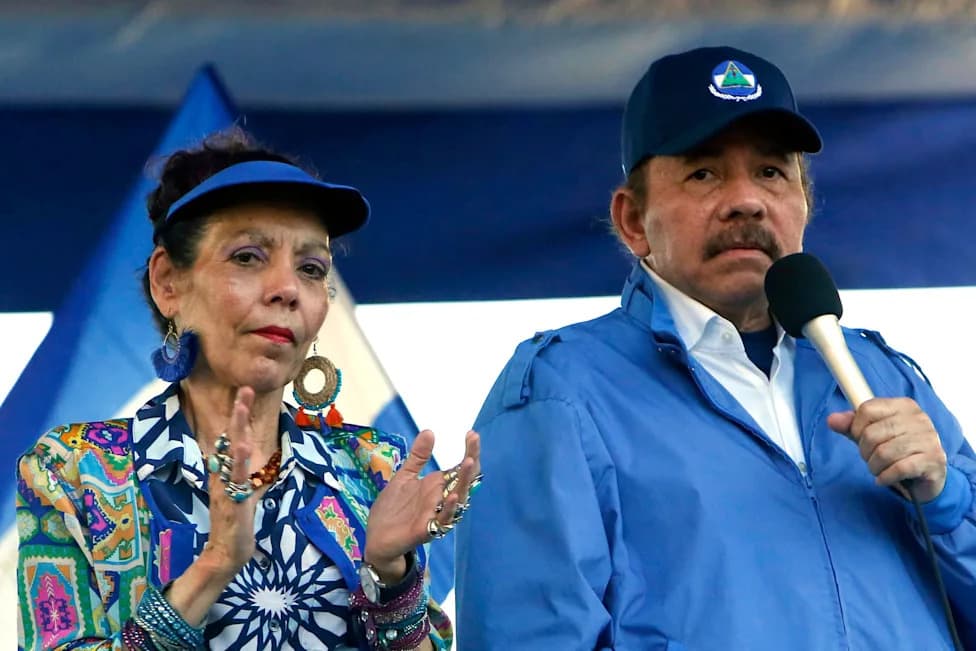
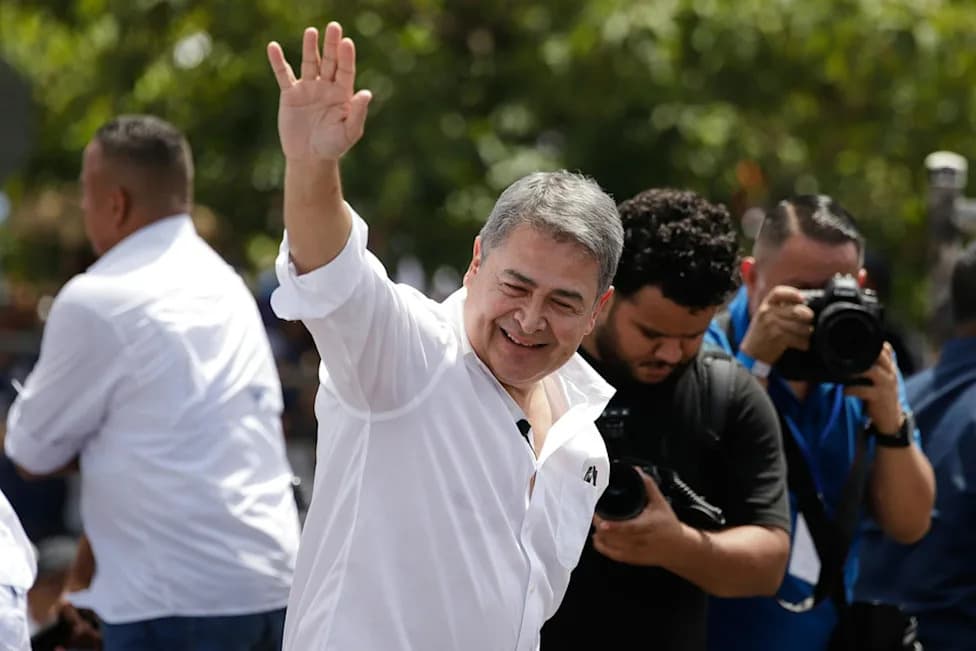
Daniel Ortega has proposed a one-year extension to the presidential term as part of constitutional reforms likely to be approved by the government-controlled National Assembly in September. The package would also bar individuals the government labels as 'traitors' or 'coup plotters' from running for office. Critics say the moves follow earlier changes — the removal of term limits in 2014 and the extension of terms in 2024 — and further consolidate an increasingly authoritarian government amid arrests, exile and the revocation of citizenship for opponents.
Ortega Seeks Another Year on the Clock: Nicaragua Moves to Extend Presidential Term
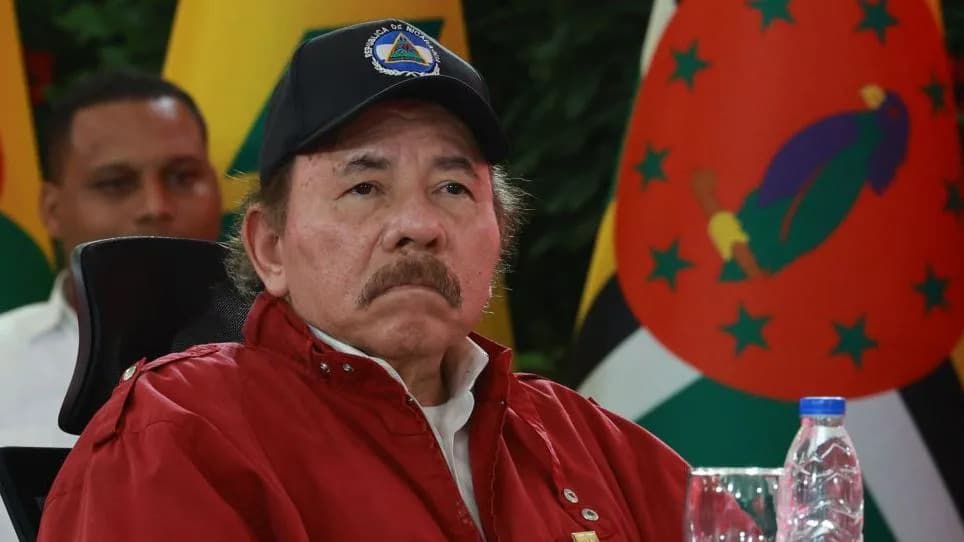
Daniel Ortega, 80, has been in power since 2007 [Photo by Jesus Vargas/Getty Images]
Nicaraguan President Daniel Ortega, who has ruled since 2007, has proposed extending the presidential term by one additional year. The proposal is part of a broader package of constitutional reforms that the government-controlled National Assembly is expected to approve when it meets in September.
The proposed amendments would also bar people the government deems to be "traitors" or "coup plotters" from running for public office. Critics say the changes would further cement the ruling party's control over Nicaragua's political system and limit genuine electoral competition.
What Has Changed Under Ortega
During Ortega's nearly two decades in power, the structure of the presidency has already been altered several times. In 2014, the National Assembly removed presidential term limits, and in 2024 it lengthened the presidential term from five to six years. The legislature also approved naming Ortega's wife, Rosario Murillo, as "co-president," a move that could allow her to assume the presidency if Ortega is declared "permanently absent." Observers have noted concerns about succession arrangements given Ortega's reported frail health.
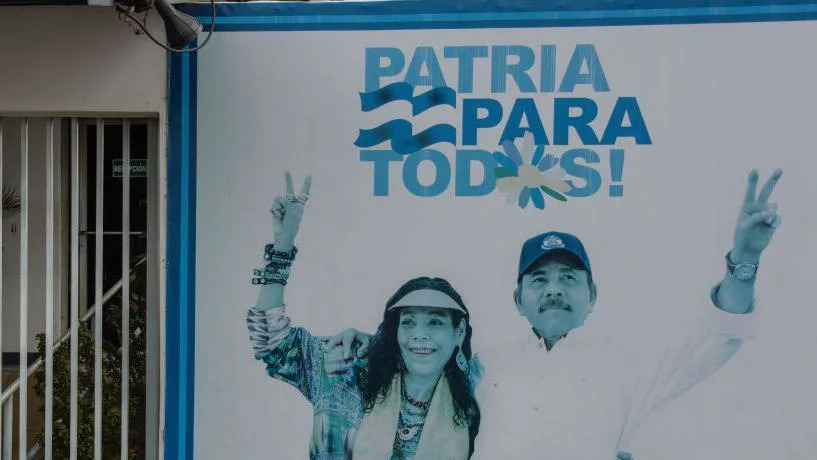
Rosario Murillo was an influential figure even before her husband named her co-president [Getty Images]
Crackdown on Opposition and Human Rights Concerns
Ortega's rule has grown increasingly authoritarian: political opponents have been jailed, forced into exile or stripped of their citizenship. The 2021 presidential vote was widely criticized as one-sided after a sustained crackdown that led to the detention, disqualification or exile of potential challengers, leaving only marginal candidates on the ballot.
United Nations human rights chief Volker Türk has warned that repression has intensified since the 2021 vote, describing a steady erosion of the rule of law and escalating persecution of political dissidents. Few Nicaraguans now publicly criticize Ortega or Murillo after security forces killed more than 300 people during the violent suppression of anti-government protests in 2018. Dissidents living abroad have also reported revocations of citizenship and government seizure and sale of properties left behind.
Implications
If approved, the proposed one-year extension would be another step in a sequence of legal and institutional changes that critics say concentrate power in the executive and reduce democratic checks. International actors and rights groups are likely to scrutinize the reforms and their effects on electoral competitiveness and civil liberties in Nicaragua.
Help us improve.