Marriage laws around the world often treat women and men differently. In seven jurisdictions—the Philippines, Vatican City, Saudi Arabia, Yemen, Afghanistan, Israel and Sri Lanka—legal, religious or procedural barriers make divorce unusually difficult for women. Some places explicitly prohibit divorce; others rely on religious writs, guardianship rules or weakened courts that place the burden on women to prove harm or secure a reluctant spouse’s consent. The result is that women frequently bear far greater personal and financial costs to end marriages.
7 Countries Where Women Face Near‑Impossible Hurdles To Divorce
Image credits: Unsplash
Marriage laws and practices vary widely around the world. In several countries the legal or procedural framework makes ending a marriage exponentially harder for women than for men—sometimes effectively impossible. These barriers can be written into civil law, embedded in religious courts, or enforced through guardianship systems and weak institutions. Below are seven places where women who want to leave a marriage face especially steep obstacles.

1. The Philippines (Image Credits: Unsplash)
1. The Philippines
The Philippines remains, alongside Vatican City, one of only two sovereign jurisdictions without a general legal divorce option as of 2026. Couples can seek annulment or legal separation, but neither fully dissolves the marriage the way civil divorce does. Reform efforts gained momentum when House Bill 9349 (the Absolute Divorce Act) passed the House of Representatives on May 22, 2024, with 131 votes in favor, but it never reached the Senate before the 19th Congress adjourned in 2025. New measures were refiled in the current Congress, yet as of mid‑2026 none had advanced out of committee, leaving many Filipino women with limited legal pathways to end an unwanted marriage.

2. Vatican City (Image Credits: Unsplash)
2. Vatican City
Vatican City — a tiny sovereign city‑state of roughly 100 acres and about 842 residents, most of whom are clergy — does not permit divorce. Marriage inside the Vatican is rare because most residents are bound by vows of celibacy. Still, the city‑state’s prohibition is significant because it embodies the doctrinal stance that influences Catholic institutions and laws elsewhere. Any woman married under Vatican jurisdiction would have no civil route to dissolve the marriage.

3. Saudi Arabia (Image Credits: Unsplash)
3. Saudi Arabia
Saudi Arabia has made some reforms in recent years, but divorce remains difficult for women to secure without their husband’s consent. In practice, a woman typically must either obtain her husband’s agreement or demonstrate that he caused harm—an evidentiary burden that can be onerous to meet. A February 2025 update to the Personal Status Law introduced procedural adjustments but did not erase the underlying structural imbalances tied to guardianship and limited legal autonomy for women in marital matters.
4. Yemen (Image Credits: Pexels)
4. Yemen
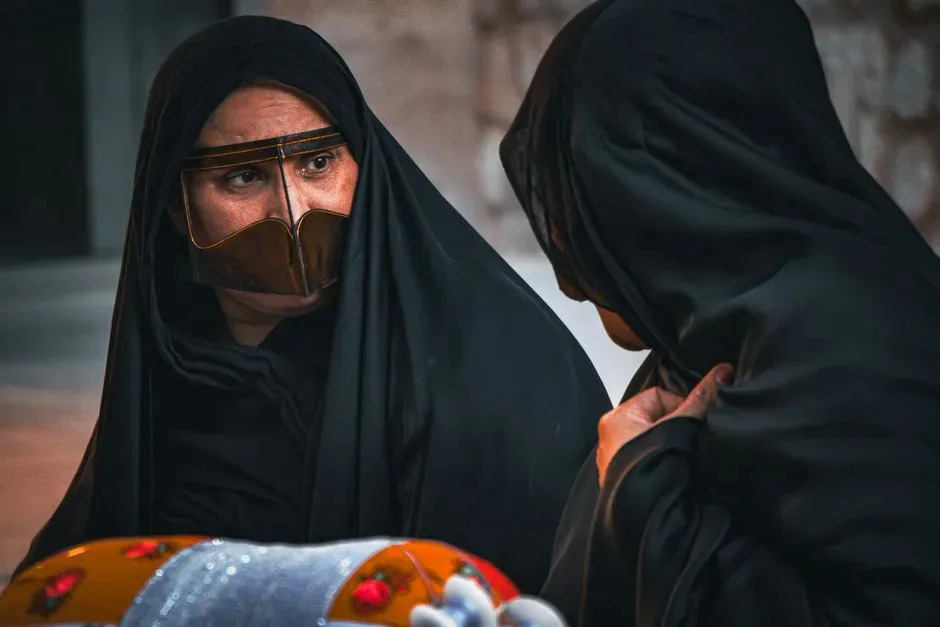
Yemen highlights one of the starkest imbalances: a husband can often end a marriage unilaterally—sometimes by verbal pronouncement—while a woman must pursue a court process. Women theoretically may pursue khula (a form of separation in which a wife returns the dower and relinquishes certain financial claims), but that option usually requires the husband’s agreement and often comes at significant economic cost. Judicial divorce is available for specific grounds like abandonment or abuse, but proving those claims in a country beset by conflict and weakened institutions is extraordinarily difficult.
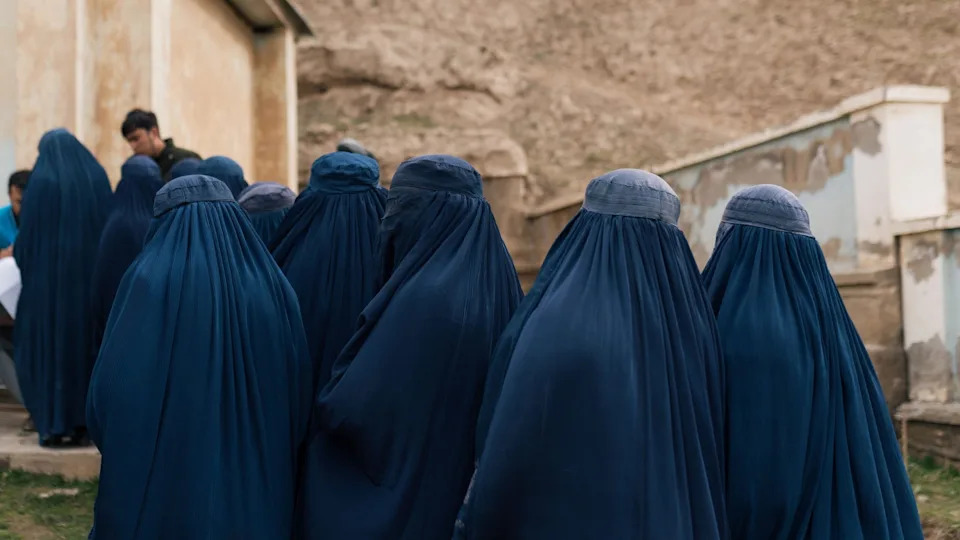
Image credits: Pexels
5. Afghanistan
Since the Taliban’s return to power, legal routes for Afghan women to leave marriages have narrowed considerably. An April 7, 2024 administrative letter that suspended the tafriq procedure—the main judicial separation route used by women—effectively closed that avenue. Women are also barred from representing themselves in court and must be represented by a male relative, and a 2025 expert statement from the UN CEDAW Committee concluded that divorce for women in Afghanistan has become almost impossible in practice. For many Afghan women, meaningful legal exit options have been removed.

6. Israel (Image Credits: Unsplash)
6. Israel
In Israel, Jewish divorce depends on a religious writ called a get, which only a husband can grant. Rabbinical courts may impose sanctions on a recalcitrant husband—such as travel or asset restrictions—but these powers are limited and are applied only after formal designation of the husband as a get‑refuser and the wife as an agunah (a chained woman). The problem has real human costs: a survey of 450 women from 11 countries who underwent rabbinical proceedings found that 48% said the process harmed their mental health. Some disputes can last years or even decades despite available sanctions.

7. Sri Lanka (Image Credits: Pexels)
7. Sri Lanka
Sri Lanka’s Muslim Marriage and Divorce Act (MMDA) of 1951 creates a separate legal track for the country’s Muslim minority and has produced gendered outcomes. Quazi courts generally afford men clearer unilateral divorce rights while making it harder for women to obtain equivalent remedies; women are also currently not permitted to serve as Quazis under the MMDA. A 2018 committee report recommended reforms—raising the minimum marriage age to 18, requiring bridal consent, appointing female quazi judges, and guaranteeing equal divorce rights—but conservative opposition and political sensitivity have delayed implementation. As of consultations in 2025–2026, the Ministry of Justice continued to gather proposals with no firm timeline for change.
Conclusion
These seven jurisdictions illustrate how legal bans, religious rules, guardianship systems and fragile judicial processes can converge to make ending a marriage far more difficult for women than for men. The common thread is that women in these contexts often must endure greater time, cost and personal sacrifice to obtain marital freedom—if they can obtain it at all.
Help us improve.