Illinois has lifted a nearly 40-year ban on building large nuclear plants and is seeking at least 2 GW of new capacity, with nine communities expressing interest. Most respondents are near existing nuclear sites or former coal facilities, and proponents cite reliability and economic benefits. Critics warn of long timelines, uncertain costs, and the unresolved issue of spent fuel storage. State agencies must issue recommendations in August on how to proceed.
Illinois Repeals 40-Year Nuclear Ban — Nine Communities Seek New Reactors as Ratepayer Concerns Loom
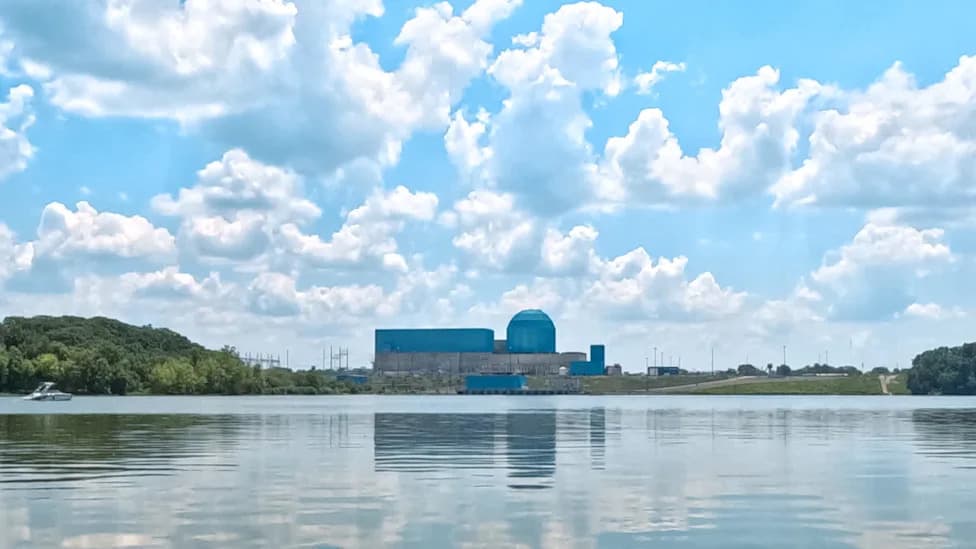
Photo Credit: iStock
Nearly four decades after Illinois imposed a moratorium on new large nuclear plants, the state has reopened the door to nuclear expansion. After Gov. J.B. Pritzker signed the Clean and Reliable Grid Affordability Act in January, he asked state agencies this spring to identify sites that could host new reactors to help prevent projected electricity shortfalls, according to Capitol News Illinois.
What's Being Sought
The administration has set a target of adding at least 2 gigawatts of new capacity — roughly enough to power about 2 million homes or some 20 large data centers. Nine communities and developers submitted letters of interest; six of those responses came from counties already near existing nuclear facilities.
Where Interest Comes From
Letters of interest came from Marseilles and the counties of DeWitt, Grundy, Ogle, Rock Island, and Will. Two additional responses — Peoria County and Jasper County — are tied to current or former coal-plant sites. Separately, the Illinois Nuclear Power Institute at the University of Illinois Urbana-Champaign is pursuing a small microreactor for research and workforce training rather than broad commercial generation.
Potential Benefits
Supporters say new reactors would deliver large amounts of low‑emission, reliable electricity as electrification, AI growth, and expanding data centers increase demand. Local officials have emphasized potential economic gains: high-paid jobs, a stronger tax base and the advantage of existing transmission infrastructure.
Costs, Timelines and Risks
Critics urge caution. The federal government still lacks a permanent repository for spent nuclear fuel; in Illinois, waste continues to be stored on plant sites in pools and dry casks. Jennifer Walling, CEO of the Illinois Environmental Council, estimates a new large plant could take roughly 20 years to reach operation, while small modular reactors (SMRs) might take 10–15 years.
Observers also warn about cost overruns and long schedules — pointing to the Vogtle project in Georgia, which began delivering power only after years of delays and multibillion-dollar overruns that largely landed on ratepayers.
Company Views And Site Options
Constellation Energy, which operates all six of Illinois’ current nuclear plants, said its existing sites are the most viable candidates for expansion. The company estimated that upgrades at current facilities could add roughly 500 megawatts, and that the sites could eventually support at least 6 gigawatts of additional capacity over time. DeWitt County’s Clinton site has drawn particular attention because Constellation already owns the land and holds an early federal site permit for it.
Developers are also promoting SMRs as a smaller-scale alternative, though none have been deployed commercially for grid power in the U.S. Constellation noted the uncertainty around SMR construction costs, schedules and operating expenses.
Next Steps
State agencies are reviewing submissions from communities and developers and must issue recommendations in August. That guidance will inform whether Illinois pursues expansion at existing nuclear locations, repurposes retired coal plant sites, pilots new reactor technologies like SMRs, or combines several approaches to meet future demand.
Sen. Sue Rezin summarized the shift: "The conversation has shifted from whether we need nuclear to how we get the projects built."
Bottom line: Illinois is actively preparing for possible capacity shortfalls by reconsidering large-scale nuclear projects, balancing potential grid and economic benefits against long lead times, uncertain costs and unresolved long-term waste storage.
Help us improve.