TikTok has unveiled new rules ahead of Israel’s 26th Knesset elections on October 27, 2026, banning paid political ads and restricting monetization for political accounts. Realistic content created or altered with AI must be clearly labeled, and fabricated or impersonating material that could mislead voters will be removed. TikTok will deploy provenance standards, invisible watermarks, automated detection and a dedicated task force, and will launch an in-app election hub with official voter information.
TikTok Issues Stricter Rules for Israel’s 26th Knesset Election: AI Labels, Ad Ban, and New Election Hub
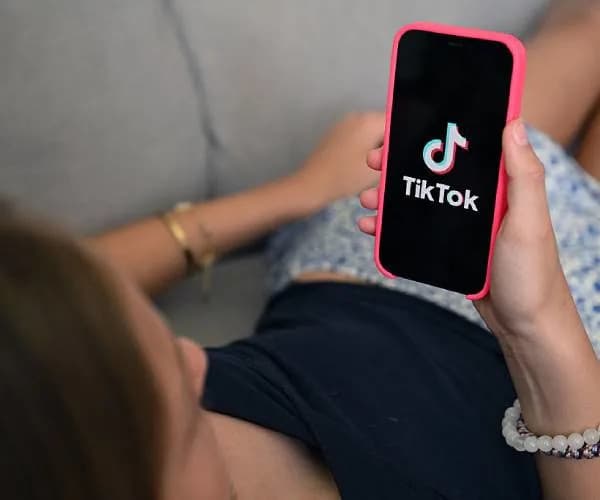
The TikTok app icon on a smartphone in this illustration taken October 27, 2025. (photo credit: REUTERS/DADO RUVIC/ILLUSTRATION/FILE PHOTO)
TikTok has released updated rules for politicians, parties, public figures and creators ahead of Israel’s 26th Knesset elections on October 27, 2026. The guidance tightens controls on paid promotion, clarifies how realistic AI-generated content must be labeled, and spells out removals for fabricated material that could mislead voters or disrupt the democratic process.
Key Elements of the Policy
Ban on Paid Political Promotion: TikTok maintains a global prohibition on paid political advertising and paid promotions by political accounts. Government, political party and politician accounts cannot use TikTok’s advertising or monetization features—including paid boosts, creator payments for political promotion, or receiving monetary gifts tied to political messaging. A narrow exception allows official election bodies to run factual public-information ads, such as polling-station locators and voter guidance.
AI-Generated Content: Labeling And Limits: The policy does not ban artificial intelligence outright. Users may post AI-generated material, but anything that appears realistic must carry a clear label indicating it was created or altered with AI. TikTok will remove fabricated content that could mislead voters or impersonate public institutions—or that otherwise risks undermining the election—even if the creator disclosed it was AI-generated.
Prohibited False Information: Content that knowingly or unknowingly misstates the election date, polling station locations, voting procedures or voter eligibility is disallowed. The ban also covers material that encourages unlawful interference with vote counting, election results, or the Central Elections Committee’s work. TikTok says enforcement applies regardless of intent—posts uploaded as jokes or experiments may be removed if they risk confusing voters.
Detection, Provenance, and Watermarks
TikTok uses a combination of technical and human-driven approaches to identify synthetic or manipulated content. These include provenance standards that preserve metadata about a file’s origin and edits, automated detection that can sometimes identify content created on other platforms and automatically apply labels, and invisible digital watermarks embedded in material produced by TikTok’s own AI tools. The company acknowledges that detection remains imperfect as generative tools evolve rapidly.
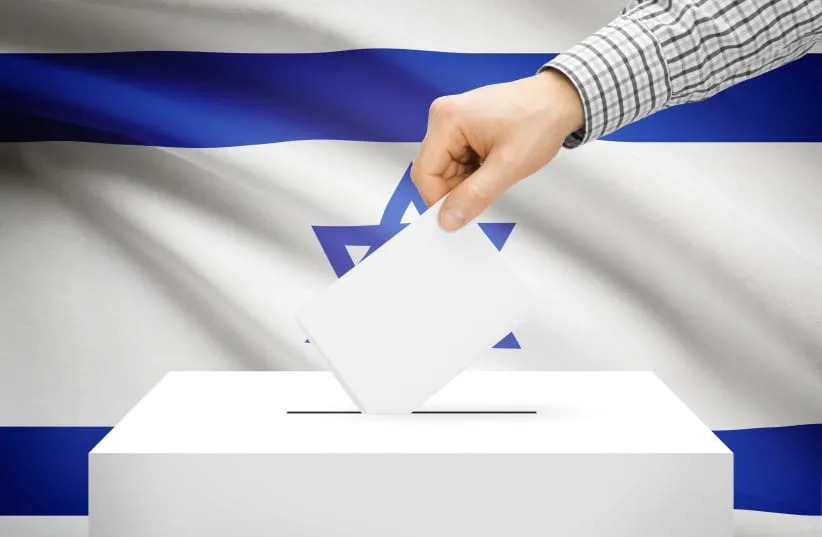
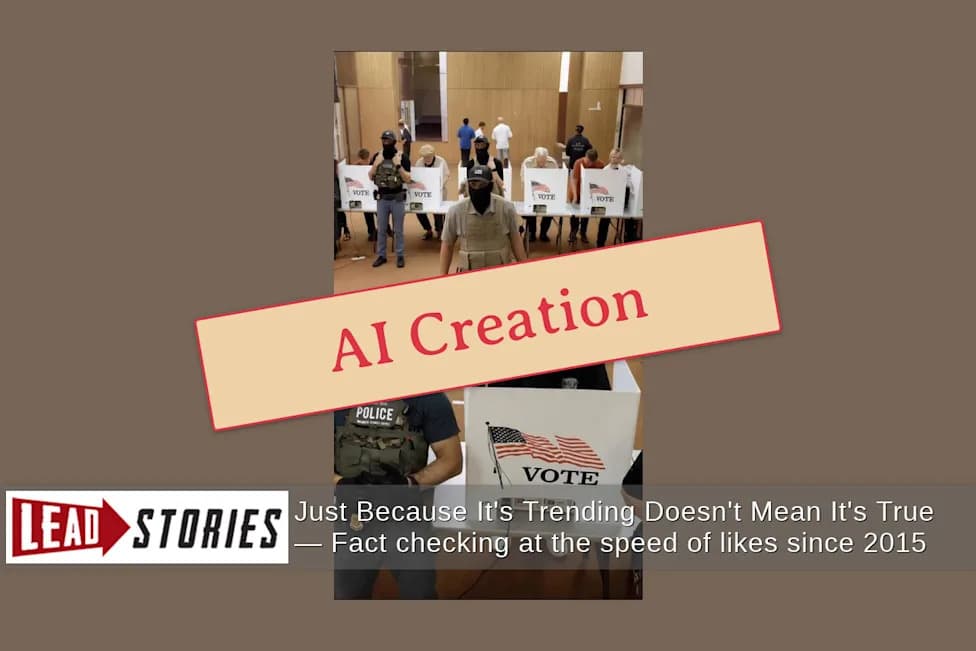
An illustration of an Israeli voting at the ballot box. (credit: Niyazz/Shutterstock)
Impersonation And Covert Influence
AI may not be used to impersonate candidates, political parties, election authorities or media organizations. Fabricated videos showing a politician endorsing a rival, reversing positions, or providing false election information may be removed. TikTok also prohibits coordinated inauthentic behavior—bots, fake engagement, impersonation, and networks that amplify messages while hiding who is behind them. The company reports it dismantled more than 40 covert influence operations globally in the first half of the year.
Enforcement And User Experience
To support enforcement in Israel, TikTok has set up a dedicated task force of specialists in cybersecurity, deceptive behavior, disinformation and election integrity. The team will use automated systems, human review, and external partners, drawing on lessons from more than 250 elections worldwide. Besides removals, TikTok may reduce distribution of unverifiable posts, add warning labels, suppress them in recommendation feeds, or prompt users to reconsider before sharing.
Election Hub And Voter Information
Shortly before polling opens, TikTok plans to launch an in-app election center based on information from the Central Elections Committee. The hub will provide the election date, polling-station locators, voting procedures, practical guidance for voters and tips for spotting disinformation. Users viewing or searching for election-related content will be directed to the hub via in-app notifications and labels.
Image credit: Niyazz/Shutterstock
Overall, TikTok’s updated guidance aims to balance political expression and information access with targeted safeguards against manipulation, impersonation and misleading content during a high-stakes national election.
Help us improve.