Maryland lawmakers say PJM Interconnection is a key driver of recent electricity bill spikes and are urging FERC to give states more influence over grid decisions. Record capacity-auction prices—fueled by rising demand from data centers, retiring plants and delays connecting renewables—have pushed wholesale costs up and increased monthly bills. Lawmakers, consumer groups and climate advocates want more transparency, a more independent PJM board, and stronger state input, though any reforms will take time to affect consumers' bills.
Maryland Lawmakers Blame PJM for Soaring Electric Bills as FERC Reviews Governance
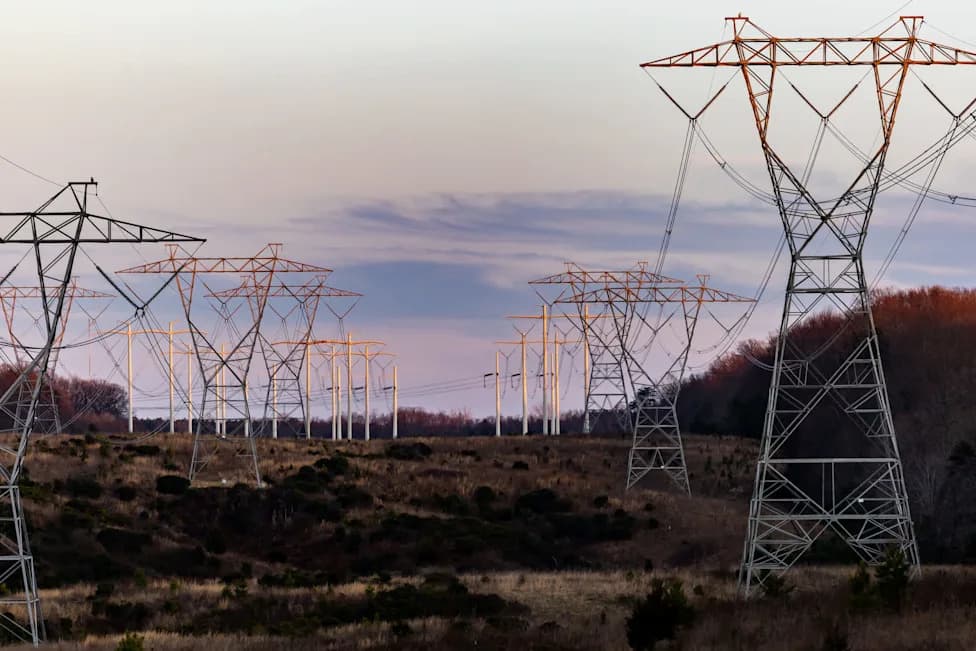
Photo Credit: iStock
Maryland residents have seen electricity prices rise faster than in many parts of the country, and state lawmakers say much of the public anger stems from decisions made outside their control. Federal regulators are now weighing whether states should have a stronger role in the regional grid operator whose markets influence those costs.
Why Prices Spiked
This month’s capacity auction produced record prices after forecasts showed rapidly rising demand—driven in part by new data centers—while aging power plants retired and new generation projects, especially renewables and battery storage, faced interconnection delays. Because wholesale cost increases are passed to utilities and then to customers, those higher costs eventually show up on monthly bills.
Lawmakers Press FERC for Changes
Maryland lawmakers and officials from several other states are urging the Federal Energy Regulatory Commission (FERC) to direct reforms at PJM Interconnection, which operates the grid across Maryland and 12 other states. Their requests include stronger state input on market and planning decisions, a more independent board, and greater transparency in PJM’s governance and market processes.
"When electricity bills go up, our constituents don't call PJM. They call us," said State Senator Katie Fry Hester, chair of the Senate Energy Subcommittee.
Critics' Concerns
Critics contend that PJM's decision-making gives utilities and market participants outsized influence, while states and consumers have limited visibility into choices that affect affordability. Interconnection backlogs for renewables and storage delay lower-cost, cleaner power from entering the grid, leaving ratepayers reliant on older, higher-cost generation.
"Here we have a solution to reliability, a solution to carbon emissions and a solution to affordability. And we are undermined in our ability to put that online because of PJM rules," said Delegate Lorig Charkoudian.
Regulatory Review and Reactions
At a recent FERC conference, officials examined whether PJM’s structure is equipped to handle fast-changing demand. FERC Chair Laura Swett warned regulators could take stronger action if PJM has not advanced reforms by September. PJM responded that it welcomes the review and supports ongoing improvement.
"We appreciate FERC convening," PJM spokesperson Daniel Lockwood said. "PJM has long supported continuous improvement, and we recognize that our governance and stakeholder processes should evolve as the electric system evolves."
Consumer Impact and Outlook
Consumer and climate advocates are pushing for a bigger public voice and for affordability to be weighed alongside reliability and emissions goals. Emily Scarr of Maryland PIRG urged affordability be prioritized, while Brittany Baker of the Chesapeake Climate Action Network warned that PJM should anticipate and prevent price shocks before they hit households.
"PJM is supposed to be the entity that has that top-line view of all these issues and rectifies the issues before they become 20%, 30%, 40% increases for ratepayers," Baker said.
Even if FERC orders reforms, implementation could take months or longer, so Maryland ratepayers may not see immediate relief.
Reporting based on The Baltimore Sun; statements quoted as provided to that outlet.
Help us improve.