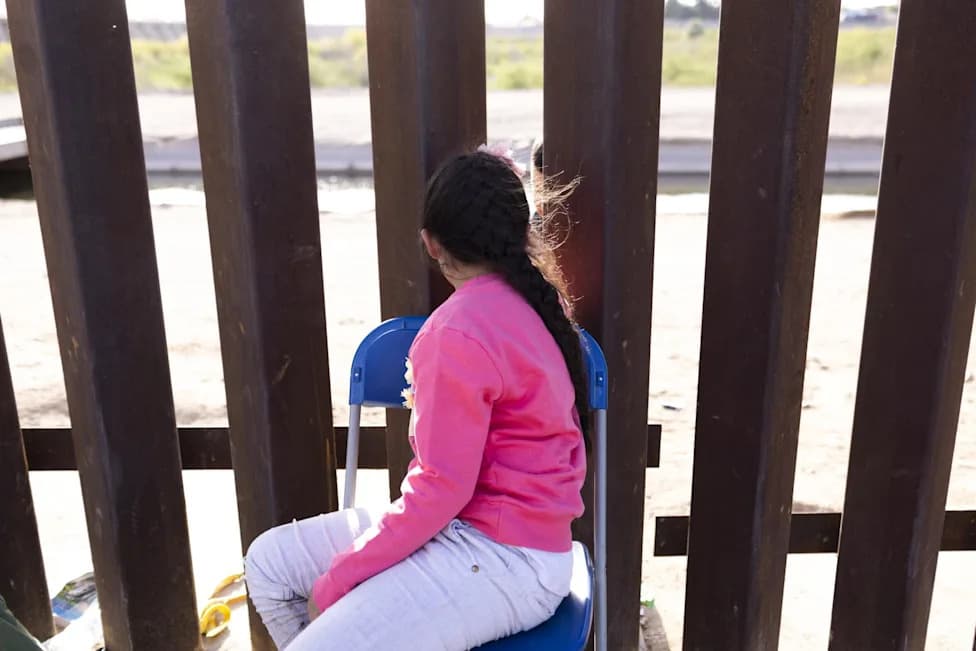
Federal auditors found more than 9,000 foster children were temporarily housed in hotels, offices and other unlicensed settings between Jan. 1, 2022, and June 30, 2023. HHS tracked 15,705 emergency placements with an average stay of about one week; 59% lasted four days or fewer and the longest hotel stay was 251 days. Arizona and Texas accounted for nearly half of the reported placements. Auditors said older youth and children with complex behavioral or mental health needs were hardest to place, with COVID-19 and the opioid crisis exacerbating shortages of suitable foster care.
Federal Audit: Thousands of Foster Children Temporarily Housed in Hotels, Offices and Other Unlicensed Settings
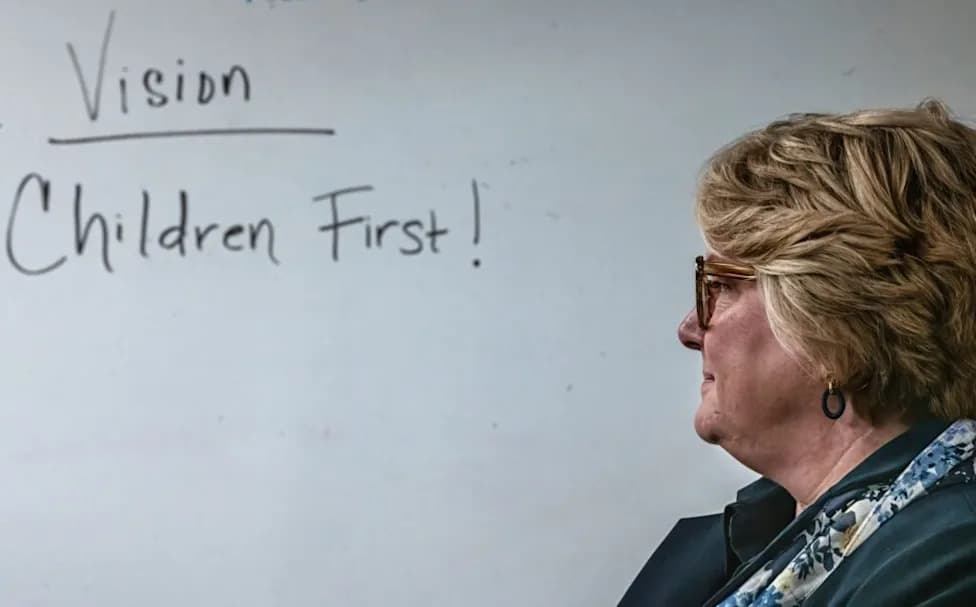
Margie Quin, commissioner of the Tennessee Department of Children's Services, has been named as a defendant in two proposed class action lawsuits alleging DCS warehouses and mistreats children. Tennessee fared poorly in a new federal audit examining the number of foster children placed in hotels, office buildings and other potentially unsafe settings. (Photo by John Partipilo/Tennessee Lookout)
Margie Quin, commissioner of the Tennessee Department of Children's Services, has been named as a defendant in two proposed class-action lawsuits that allege the agency "warehouses" and mistreats children. A recently released federal audit also identified Tennessee among states that frequently relied on hotels, office buildings and other settings not intended for child care.
Audit Finds Large-Scale Use Of Unlicensed Emergency Placements
The Office of Inspector General at the U.S. Department of Health and Human Services reported that more than 9,000 children in foster care were temporarily housed in hotels, offices and other potentially unsafe locations when state agencies could not find approved placements. The audit covers the period from January 1, 2022, through June 30, 2023.
HHS tracked 15,705 temporary emergency placements in responding jurisdictions. Most stays were short: 59% lasted four days or fewer, while 28% lasted five days or longer. The single longest reported stay occurred in a hotel and lasted 251 days, and the average length of stay across all reported placements was about one week.
Who Is Most Affected?
States reported the greatest difficulty placing older youth and children with complex behavioral or mental health needs. Auditors noted that lingering effects of the COVID-19 pandemic and the ongoing opioid epidemic compounded placement challenges during the audit window.
Where Children Were Placed
Among responding agencies (49 states/agencies, including the District of Columbia), 34 said they had to place children temporarily in unlicensed settings not designed for child care; 30 of those provided detailed data linking stays to individual children.
- 17 states reported a combined 1,922 hotel-room stays.
- 22 states reported 2,698 office-building stays.
- 16 states reported 4,412 stays at other unlicensed locations, such as cabins in state parks.
State-Level Concentration
Arizona and Texas together accounted for nearly half of the reported temporary placements. Arizona reported 3,907 placements affecting 3,481 children; Texas reported 3,923 placements affecting 1,977 children. Other states with substantial numbers included Tennessee (1,845), Illinois (812) and Washington State (612).
Eight states—Alaska, Hawaii, Indiana, Missouri, Nebraska, New York, Ohio and Pennsylvania—told auditors they do not track emergency temporary placements. Delaware and Montana did not submit data for the audit. Seven states—Connecticut, Iowa, Massachusetts, New Jersey, Rhode Island, Utah and Wyoming—reported zero emergency temporary placements during the audit period.
Placement Policy Context
When a court determines a child cannot safely remain at home, state child welfare agencies assume responsibility for placement and care. The preferred option is kinship care (placement with relatives). If kinship care is not available, children are placed with nonrelative foster caregivers or in licensed child-care institutions that meet state health and safety standards. The audit highlights instances where, because of capacity or specialized-care shortages, states resorted to unlicensed emergency settings.
Why it matters: Emergency use of hotels, offices and other unlicensed spaces raises concerns about child safety, supervision, access to services and continuity of care—especially for older youth and children with behavioral or mental health needs.
The investigation and reporting were produced by Stateline; reporter Robbie Sequeira contributed to the audit summary.
Help us improve.