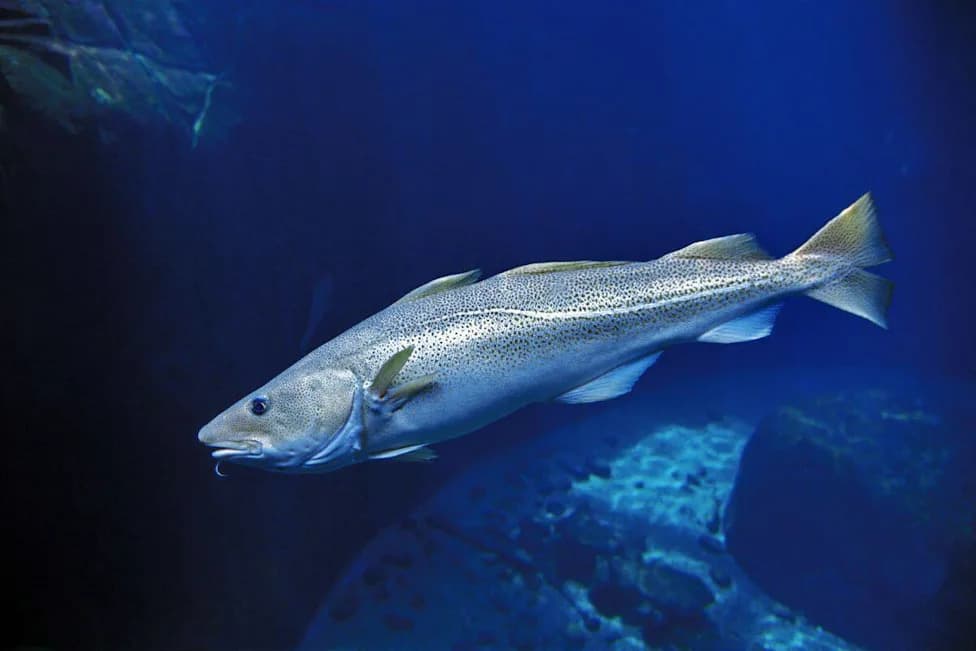
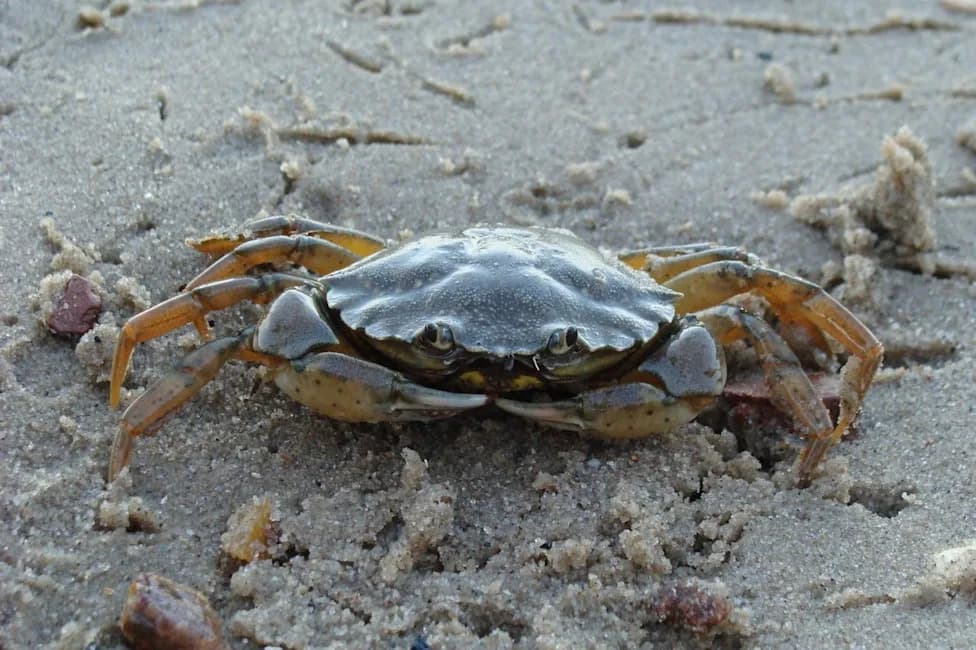
Mnemiopsis leidyi, a non-stinging but highly voracious comb jelly, is advancing rapidly through the Baltic Sea and threatens fish recruitment by eating zooplankton, eggs and larvae. Likely introduced to Europe in the 1980s via ships from the Americas, it reached very high densities in the Black Sea in 1988. Warming waters and expanding low-oxygen "oxygen deserts" are aiding its spread, while a native predator—the three-spined stickleback—may be less effective under hypoxia. If uncontrolled, the invader could reduce future fish stocks and harm fisheries and coastal economies.
Glowing 'Sea Cannibal' Comb Jelly Is Invading the Baltic — A New Threat to Fish Stocks and Fisheries
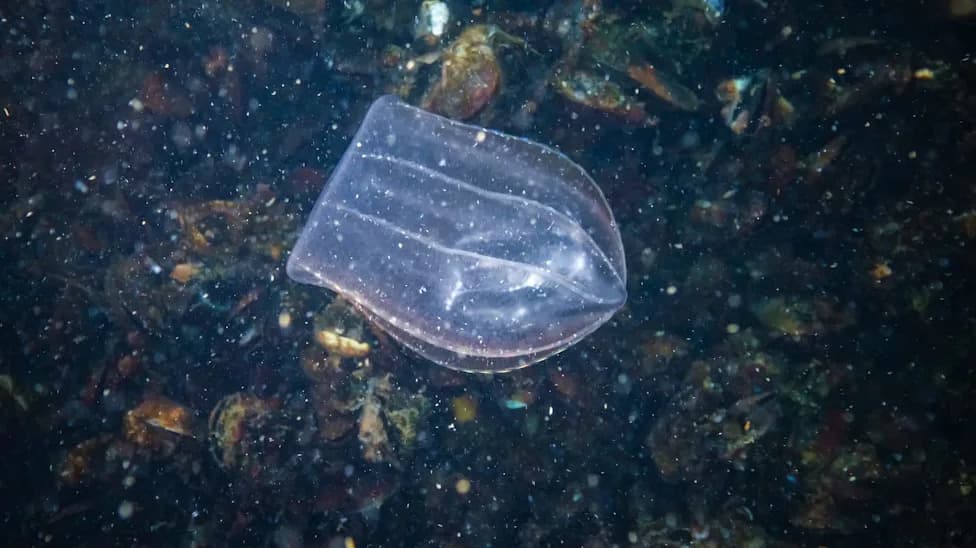
Photo Credit: iStock
A luminous, jelly-like invader known as Mnemiopsis leidyi is spreading rapidly through the Baltic Sea, and scientists warn its rise could add further pressure to already stressed fish populations and coastal communities.
What Is Mnemiopsis leidyi?
Mnemiopsis leidyi is a comb jelly, not a true jellyfish. It does not sting, but its impact comes from voracious feeding: it consumes large amounts of zooplankton as well as fish eggs and larvae. Adults produce many eggs and can even eat their own young when food is scarce, a behavior that helps the species survive and persist.
How It Spread
Researchers believe the comb jelly likely entered European waters in the 1980s, carried on ships that had visited Black Sea ports after voyaging from Atlantic coasts in North and South America. Its invasion history elsewhere—most notably the Black Sea—shows how disruptive it can be. In 1988 the species reached roughly 400 individuals per cubic meter in the Black Sea and became one of the region’s dominant organisms before its numbers later fell.
Why the Baltic Is Vulnerable
Two environmental trends are helping Mnemiopsis leidyi expand: warming waters and the growth of low-oxygen zones—often called dead zones or "oxygen deserts." These conditions weaken native species and can favor opportunistic invaders that tolerate rapid environmental change. The Baltic already faces fluctuating water levels, worsening hypoxia, and other climate-driven disruptions, creating openings for newcomers.
Natural Controls and New Risks
Scientists are exploring whether native predators can keep the comb jelly in check. A January 2026 study in the Journal of Plankton Research found that the native three-spined stickleback (Gasterosteus aculeatus) may prey on comb jelly larvae, offering a possible natural control. However, hypoxia appears to reduce stickleback activity and feeding, undermining this defense just as the invader gains ground.
Why it matters: By eating zooplankton and fish eggs and larvae, Mnemiopsis leidyi can reduce future fish recruitment, threatening stocks of sprats, sardines and other small pelagic species. That in turn can ripple through commercial fisheries, food supply chains and coastal economies.
What Scientists Recommend
Researchers emphasize monitoring, targeted studies of food-web impacts, and measures to reduce nutrient pollution and hypoxia. Slowing climate change and improving coastal management can help strengthen native populations and the resilience of the Baltic ecosystem.
The comb jelly’s bioluminescent glow may look otherworldly, but its spread is a concrete signal of ecological change—with real consequences for marine life and people who depend on the sea.
Help us improve.