Former lawmaker Au Kam San was detained in July 2025 and remains largely beyond public view a year later, raising serious questions about transparency and due process. Authorities allege he provided false information to anti-China groups and charged him with multiple national security offenses; a July 2 preliminary hearing upheld the indictment. The family says they were denied contact, their chosen lawyer was blocked and Portuguese consular access was refused. International actors, including the EU, have called for greater transparency and legal protections.
Macao’s First National Security Arrest: A Year of Secrecy and Fairness Concerns

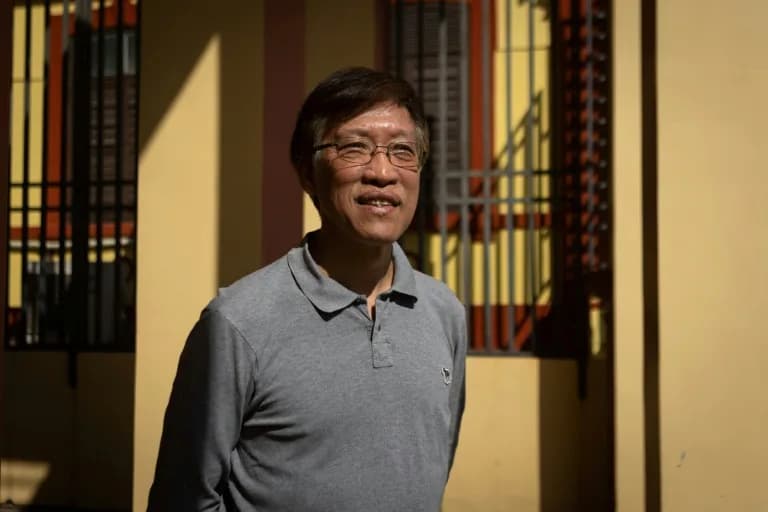
In this photo taken on Wednesday, June 25, 2025 and released by Cherry Au Hon I, Macao's pro-democracy former lawmaker Au Kam San poses for a photo during a family trip in Norway. (Cherry Au Hon I via AP)
When former pro-democracy lawmaker Au Kam San was detained in July 2025, his family and observers of Macao politics were stunned. A year after his arrest, basic details of the case remain scarce, prompting questions about transparency and the fairness of procedures under Macao’s national security framework.
Accusations and Legal Steps
Authorities allege Au supplied false information to anti-China groups outside Macao and disseminated materials that foment hostility toward Beijing and the Macao government. Police say he maintained long-term contacts with entities beyond Macao and provided false information to those organizations and their media outlets. On July 2, a court upheld the indictment and identified Au as the alleged "perpetrator" in several offenses, including subverting state power, breaching confidentiality, and contacting external organizations to endanger national security. Convictions on multiple counts could carry a combined sentence of up to 30 years.
Restrictions and Due Process Concerns
Au’s family says the lawyer they chose was barred from meeting him in detention and that books related to the 1989 Tiananmen Square movement were seized from his home. A court-appointed lawyer was approved at a preliminary hearing; the judge cited national security interests and a binding opinion from the city’s national security committee, chaired by Macao Chief Executive Sam Hou Fai. The prosecution office noted that such preliminary hearings are not open to the public, and Macao law permits closed trials when officials deem publicity harmful to national security.
"For almost a year my family could not speak with my father as he was kept in cruel incommunicado detention," said Au’s daughter, Au Hon I, who lives in London. "Now we are still unable to speak to him about his case nor provide him with a lawyer so he can properly fight his case."
Consular Access, International Reaction and Comparisons
Au also holds Portuguese citizenship, but his family and overseas counsel say the Portuguese consulate’s request for access was denied. The EU has publicly raised concerns, stating denial of judicial due process violates Au’s rights and that it continues to press Macao authorities for information. Observers note that while Hong Kong has seen hundreds of national-security-related arrests and convictions since Beijing imposed its security law in 2020, Au’s case is the first publicly known national security arrest in Macao since that territory’s law was enacted in 2009.
Legal practitioners in Macao and overseas have expressed concern about judicial independence and the limited willingness of local lawyers to take on politically sensitive civil-rights cases. Some commentators warn that Macao’s smaller legal community and different political environment may make effective legal challenge more difficult than in Hong Kong.
Personal Impact
Au’s daughter says the family is distressed by the portrayal of her father as a villain, noting his long history of public service and community work. She added that she does not plan to return to Macao soon because of safety concerns and uncertainty about when she might see him again.
Calls For Transparency
Human rights groups, the EU and legal advocates are urging Macao authorities to ensure transparency, guarantee access to independent legal counsel and allow consular communication where applicable. The case has become a focal point for broader debates about national security, civil liberties and the rule of law in Macao.
Help us improve.