The Justice Department has proposed a rule that would let immigration judges hold attorneys, respondents and witnesses in contempt and impose civil fines of $1,000–$3,500. The draft expressly exempts federal employees such as DHS attorneys, a provision critics say creates an unbalanced system and may be unconstitutional. EOIR has endured heavy turnover — losing 370 attorneys in 2025 — while facing a backlog of more than 3.5 million cases. The rule is open for public comment for 60 days.
DOJ Proposal Would Let Immigration Judges Fine Lawyers, Clients and Witnesses — Critics Say It Could Be Unconstitutional
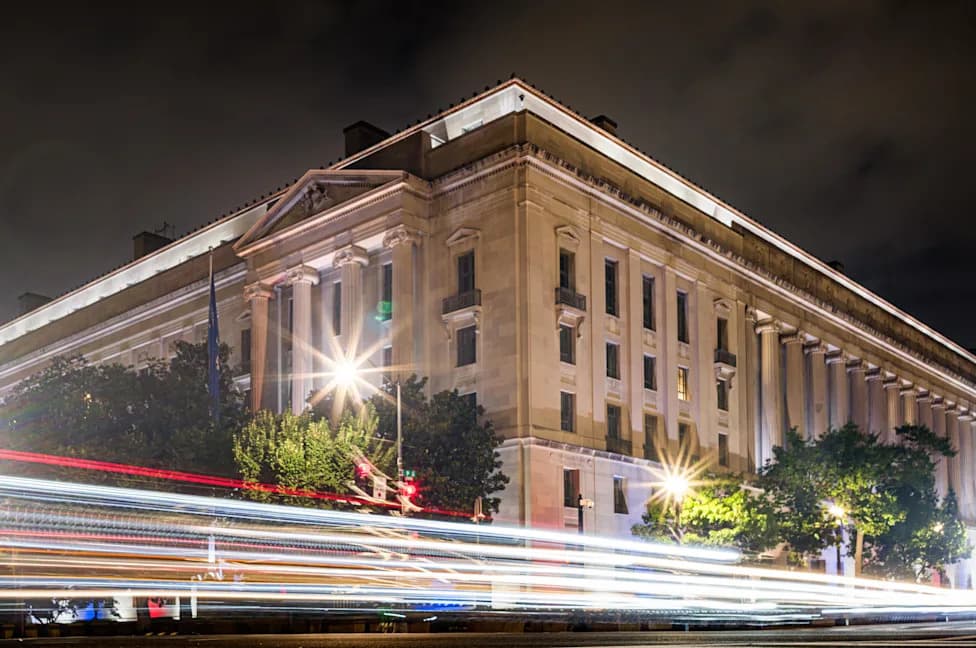
New DOJ rule would allow immigration judges to hold lawyers in contempt
The Justice Department has proposed a regulatory change that would grant immigration judges new authority to hold attorneys, noncitizen respondents and witnesses in contempt and impose civil fines. The draft rule from the Executive Office for Immigration Review (EOIR), the DOJ office that runs the immigration court system, marks a significant departure from longstanding practice and has prompted sharp criticism from legal experts and advocacy groups.
What the Proposal Would Do
Under the draft rule published in the Federal Register, immigration judges would be able to impose civil penalties ranging from $1,000 to $3,500 for conduct the judge deems contemptuous — including repeated tardiness, failure to follow court orders, disorderly conduct or making false statements. The proposal says the authority is intended to give judges additional tools to manage proceedings and deter misconduct.
Exemption for Federal Employees
Notably, the draft explicitly exempts federal government employees — including attorneys from the Department of Homeland Security (DHS) — from contempt orders by immigration judges. Critics say that carve-out would create a one-sided accountability system that could shield government lawyers from consequences while exposing immigrant advocates and respondents to sanctions.
'By proposing a completely skewed regulation that empowers judges to hold in contempt only the attorneys for immigrants but not ICE attorneys, the Administration has revealed that its goal has nothing to do with the just and balanced rule of law,' said Gregory Chen, senior director of government relations at the American Immigration Lawyers Association.
Constitutional Concerns
Several legal scholars and former judges told news outlets the proposal raises potential constitutional issues. Because immigration courts are housed within the executive branch, some experts argue the executive lacks contempt authority under Article II and that contempt power belongs to Article III courts and Congress. The DOJ counters that DHS attorneys can be disciplined through existing internal mechanisms such as the Office of the Inspector General or the Office of Professional Responsibility.
Context: Turnover and Backlog
The proposal arrives amid deep staffing challenges at EOIR. According to government data analyzed and published by a former FBI analyst, EOIR lost 370 attorneys in 2025. At the same time, the immigration court system faces a backlog of more than 3.5 million cases, a strain that proponents of the rule say undermines orderly case management.
Former immigration judges have also described pressure to speed deportations and to detain respondents without bond; recruitment ads for new judges have been criticized for labeling the role a 'deportation judge,' which some say reflects a bias toward enforcement rather than impartial adjudication.
'First, scare the judges. Then the judges will scare the attorneys,' said Karen Donoso Stevens, a longtime former immigration judge, describing how the proposal could 'tie into the culture of fear' in the system.
What's Next
The public will have 60 days to review and comment on the proposed rule after its publication in the Federal Register. If adopted, the change would alter longstanding practice in immigration courts and likely prompt legal challenges testing its constitutionality and the limits of executive-branch adjudicative authority.
Help us improve.