The U.S. has agreed to immediately release $600 million in congressionally approved vaccine funding to Gavi after the alliance pledged to phase out mercury-containing preservatives such as thimerosal. The decision follows public pressure from U.S. officials and reflects concerns about Gavi's governance and vaccine safety practices. The United States expects to resume its seat on Gavi's board and will condition future support on demonstrated reforms.
U.S. Releases $600M To Gavi After Vaccine-Safety Dispute As Alliance Pledges Shift Away From Mercury Preservatives
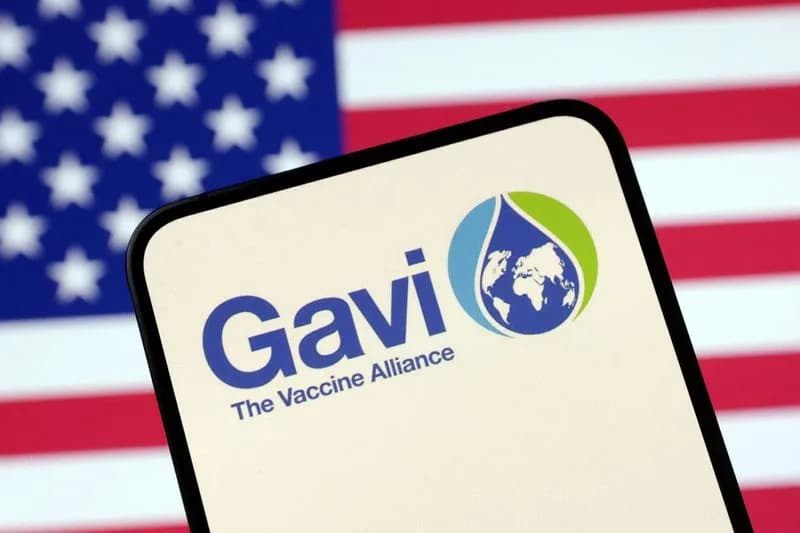
FILE PHOTO: The Vaccine Alliance (GAVI) logo and U.S. flag are seen in this illustration taken April 23, 2025. REUTERS/Dado Ruvic/Illustration/File Photo
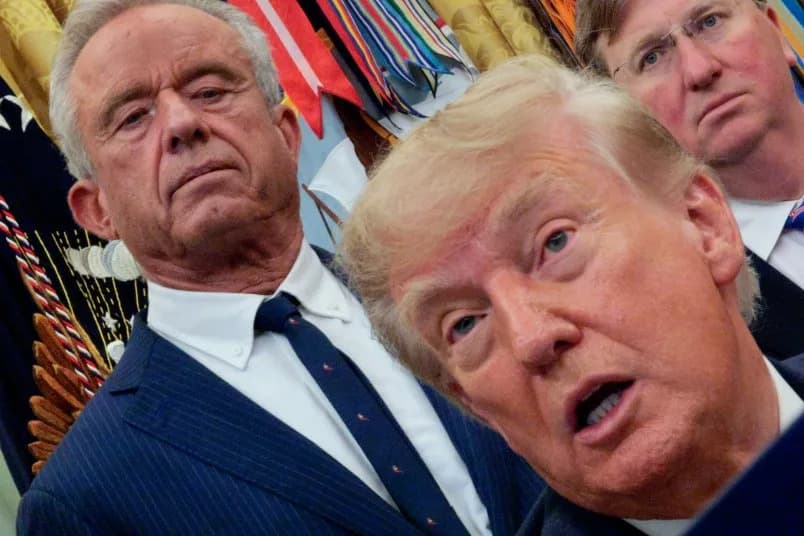
July 29 (Reuters) - The U.S. administration said on Wednesday it will immediately release $600 million in congressionally appropriated funds to Gavi, the Geneva-based vaccine alliance that helps low-income countries purchase life-saving immunizations. The funds had been held after safety concerns were raised publicly by vaccine critic Robert F. Kennedy Jr.
The State Department said the decision followed Gavi's commitment "to work towards transitioning mercury-containing vaccines and expanding access to newer, mercury-free alternatives." Gavi's chief executive, Sania Nishtar, had said in recent weeks the alliance was already moving away from vaccines that contain the preservative thimerosal.
Senator Marco Rubio and other U.S. officials had urged re-engagement with Gavi, citing congressional pressure and broader global-health priorities. The State Department added that the United States expects to resume its seat on Gavi's board and that any future U.S. support will be evaluated based on demonstrated performance, accountability and implementation of agreed reforms.
Representatives for Gavi did not immediately respond to a request for comment late Wednesday in Geneva.
Robert F. Kennedy Jr., a prominent vaccine critic who founded an advocacy group that questions vaccine safety, had argued that thimerosal, a mercury-based preservative used in some vaccines, posed health risks. Those claims run counter to the scientific consensus: multiple large studies and reviews by public-health agencies have found no reliable evidence that thimerosal in vaccines causes autism or other neurodevelopmental disorders.
The hold on U.S. funds had threatened a major shortfall for Gavi. The United States previously accounted for roughly 13% of Gavi's funding; U.S. contributions have been about $300 million a year in prior cycles, according to officials. The organization had begun implementing cost-cutting measures after funding reductions from several high-income countries.
The State Department said it would continue to monitor Gavi's progress on the transition away from mercury-containing preservatives and on other governance reforms before approving further assistance.
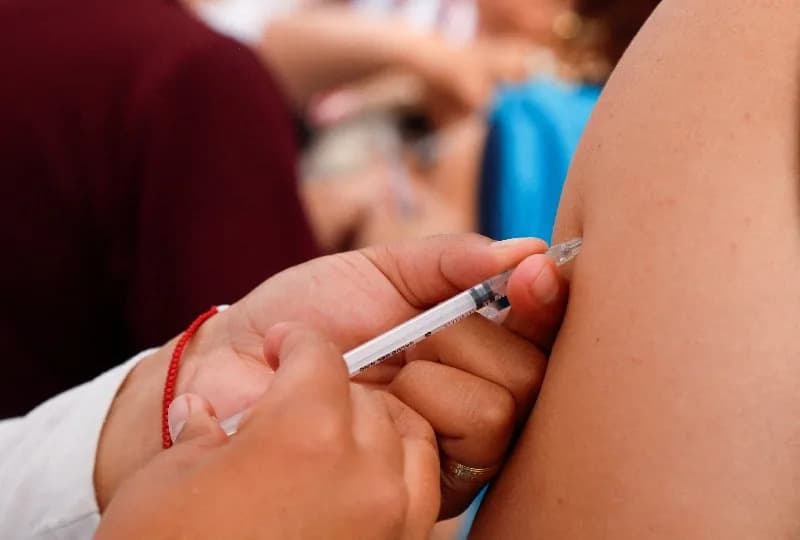
Context: Gavi helps procure and distribute vaccines for children in low- and middle-income countries, supporting campaigns against measles, diphtheria, polio and other vaccine-preventable diseases. Thimerosal has been used as a preservative in multi-dose vaccine vials to prevent bacterial contamination, and many manufacturers and programs have already moved toward thimerosal-free formulations where feasible.
(Reporting by Ismail Shakil and Kanishka Singh; Editing by Jasper Ward, Donna Bryson and Lincoln Feast.)
Help us improve.