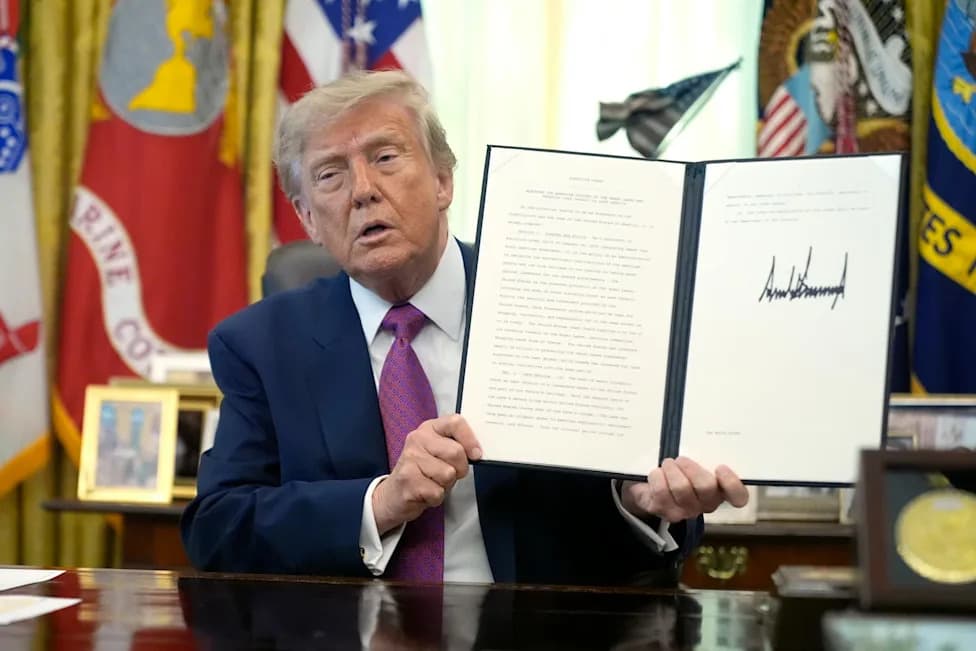
Donald Trump told reporters he respected President Biden’s pardon of Dr. Anthony Fauci following a Senate hearing in which Fauci invoked the Fifth Amendment repeatedly. Trump raised questions about the possible use of an "autopen" on documents tied to Fauci and underscored the exceptional power of presidential pardons. The piece also notes Trump’s extensive use of clemency, including controversial actions related to January 6 defendants, a decision critics say could embolden supporters.
Trump Says He ‘Respects’ Biden’s Pardon Of Fauci, Raises ‘Autopen’ Questions As Pardons Draw Fire
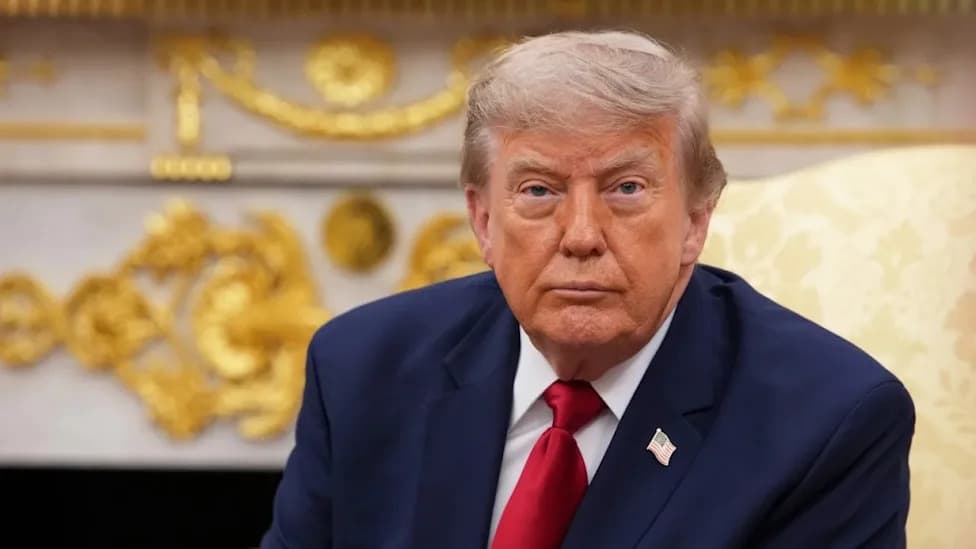
President Donald Trump in the Oval Office of the White House on July 14, 2026 in Washington, DC. (Credit: Andrew Harnik/Getty Images)
Former President Donald Trump told reporters in the Oval Office that he respected President Joe Biden’s decision to pardon Dr. Anthony Fauci, commenting after a contentious Senate hearing in which Fauci invoked the Fifth Amendment repeatedly.
What Trump Said
During a Wednesday exchange with reporters, Trump emphasized the extraordinary power of presidential clemency and suggested questions remain about whether an "autopen" was used to sign documents related to Fauci's role in the U.S. response to the COVID-19 pandemic. "The only thing you can really think about is the autopen because the most powerful thing the president has, they say, is the power of pardon," he said. "So, he was pardoned by Biden and I respect that. I know how powerful it is. It's a very powerful — they say it's literally the most powerful thing a president has."
Trump added that he was not certain of the precise legal standards for issuing pardons, and said such decisions often rely on documentation. "I can't tell you what the law is. I've heard that you have to have a lot of proof. You need to have letters, you also need to have all sorts of things and the person operating the autopen has to know exactly what it's all about," he said, noting Fauci’s testimony suggested the autopen operator "did know" the context.
Context And Controversy
The article also highlights Trump’s own extensive use of clemency since returning to public office: it reports he has issued more than 1,700 pardons and commutations. Among the most controversial of those actions were clemency measures affecting individuals connected to the January 6, 2021, attack on the U.S. Capitol—moves that drew sharp criticism from many commentators.
"Trump pardoning and releasing from prison the January 6th defendants, including the paramilitaries, means he is effectively immunizing his followers from committing violence in his name," MSNBC host Rachel Maddow said when the pardons were announced. "He's making clear, you know, if you support me, the law doesn't apply to you."
"Not incidentally, the people he's pardoning and their families will feel like they owe Trump everything, and that they therefore should, and now can, do absolutely anything for him," she added.
The original report was published by TheWrap.
Help us improve.