The US-owned floating storage tanker Energos Winter was struck by a drone at Egypt’s Damietta port, igniting a fire that spread to the LNG carrier Gaslog Salem; crews were evacuated and the blaze was brought under control. The strike is the first reported attack on Egyptian waters in this round of regional hostilities and comes amid US–Saudi strikes in Iraq following an Iranian missile attack on US forces in Jordan. CENTCOM reported redirecting and disabling commercial vessels as part of maritime enforcement, while sanctions, militia threats and reported arms purchases underscore a widening conflict that has pushed oil prices higher.
Drone Strike Ignites US-Owned Tanker at Egypt’s Damietta Port, Escalating Regional Tensions
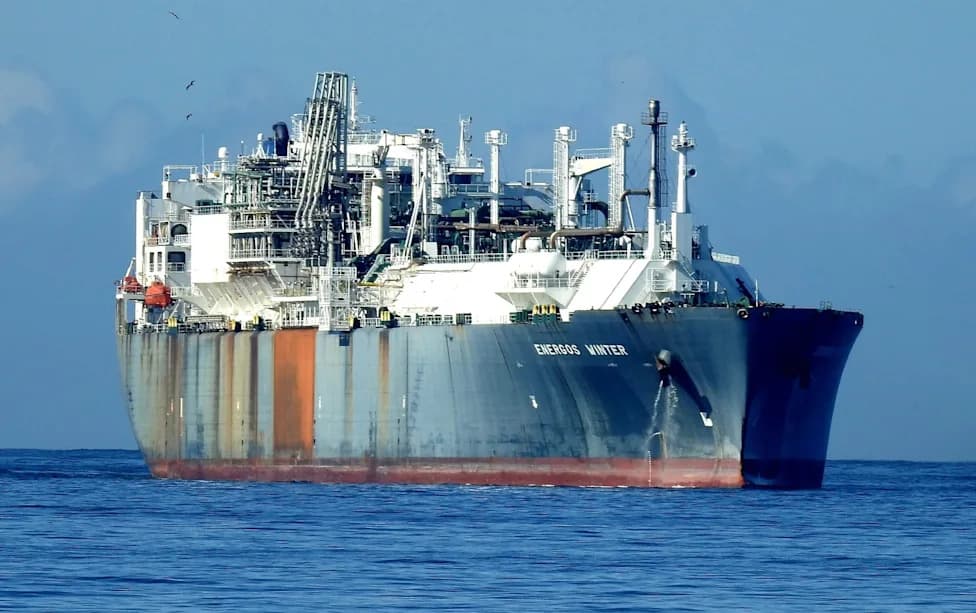
The Energos Winter, seen here last March, was struck by a drone in the Mediterranean port of Damietta on Wednesday - Edson de Lima Lucas
A US-owned floating gas storage tanker, the Energos Winter, was struck by a drone and set ablaze at the Mediterranean port of Damietta, Egypt. The resulting fire spread to a nearby LNG carrier, the Gaslog Salem. Port services firm Inchcape and maritime security company Ambrey reported that the crew were evacuated and firefighters brought the blaze under control; no group has claimed responsibility.
Why This Matters
The incident marks the first reported direct strike to hit Egyptian waters in this latest wave of Middle East hostilities, broadening the geographic footprint of the conflict beyond Gulf states and regional shipping lanes.
Regional Military Escalation
The Damietta attack came the same day that US and Saudi forces conducted strikes against Iran-aligned paramilitary groups in Iraq. The strikes followed what US officials described as a surprise ballistic missile attack by Tehran on US positions in Jordan. Saudi Arabia's participation was publicly acknowledged as the first time Riyadh has openly joined US operations in this phase of the campaign.
Former President Donald Trump warned of further reprisals, saying: "They're going to get a beating."
Naval And Economic Responses
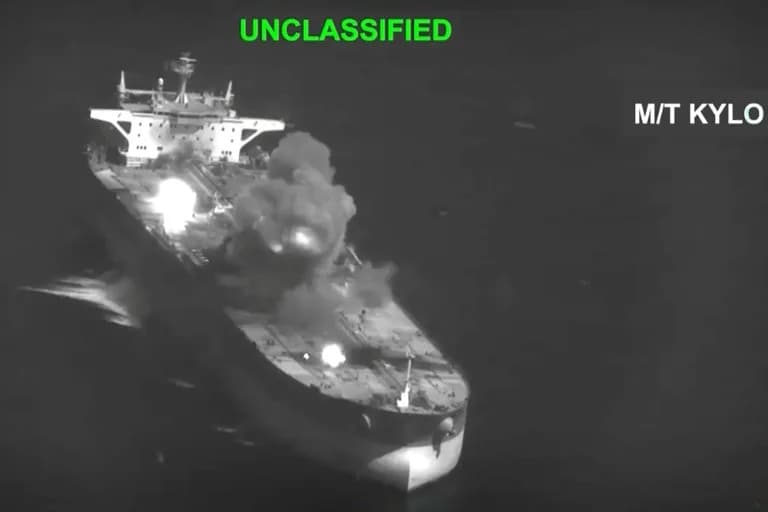
US Central Command (CENTCOM) said it had taken measures to restrict Iranian maritime activity, reporting that by July 29 it had redirected 20 commercial vessels, disabled two and boarded two as part of enforcement operations. Separately, the US Treasury announced sanctions targeting eight tankers and 10 entities linked to Iran's activities, six of which it said are based in China.
Casualties, Claims And Diplomacy
Iraqi authorities and the Popular Mobilisation Forces (PMF) reported that at least 20 people were killed in the US-Saudi strikes on PMF bases across Iraq. Iran condemned the strikes as violations of Iraqi sovereignty; Iranian state media also reported that four Iranian Revolutionary Guards' advisers were killed, though Tehran had not independently confirmed that figure.
Other Developments
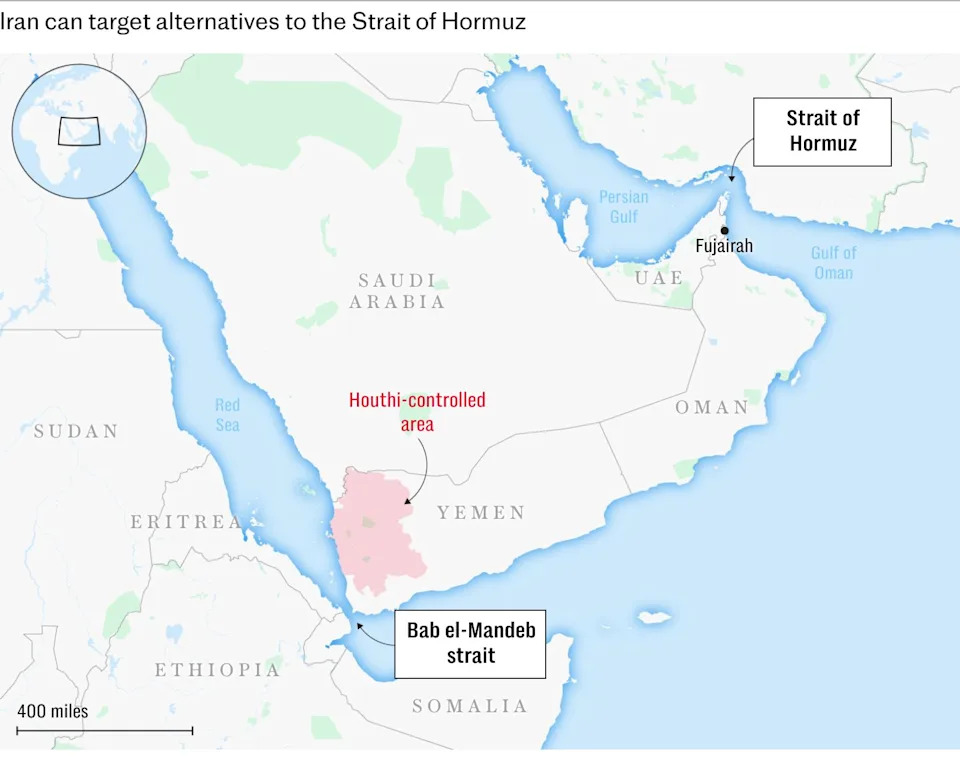
- Iran’s Revolutionary Guard Corps claimed strikes on multiple tankers in the Strait of Hormuz; the IRGC and Iran rejected an Omani proposal to divide control of the strait.
- Houthi forces in Yemen have discussed tighter controls or fees for ships transiting the Bab el-Mandeb, raising fears of further disruption to global trade.
- Reports emerged that Iran may acquire up to 400 Chinese man-portable air-defence systems (manpads); China’s foreign ministry called such reports groundless.
- Admiral Brad Cooper, head of CENTCOM, warned that open-source material—especially mobile-phone footage—could help Iran assess strike effects, prompting operational-security directives for deployed personnel.
Market Impact And Outlook
Global markets reacted to the renewed violence: Brent crude jumped about 3.8% after CENTCOM said multiple ballistic missiles aimed at US forces had been intercepted. The situation remains fluid; authorities continue investigations into the Damietta strike while regional governments and militaries issue warnings and prepare contingency plans.
Confirmed facts: The Energos Winter was struck by a drone at Damietta; the fire spread to Gaslog Salem; crews were evacuated and the blaze was contained. The attack is being investigated and no responsibility has been claimed.
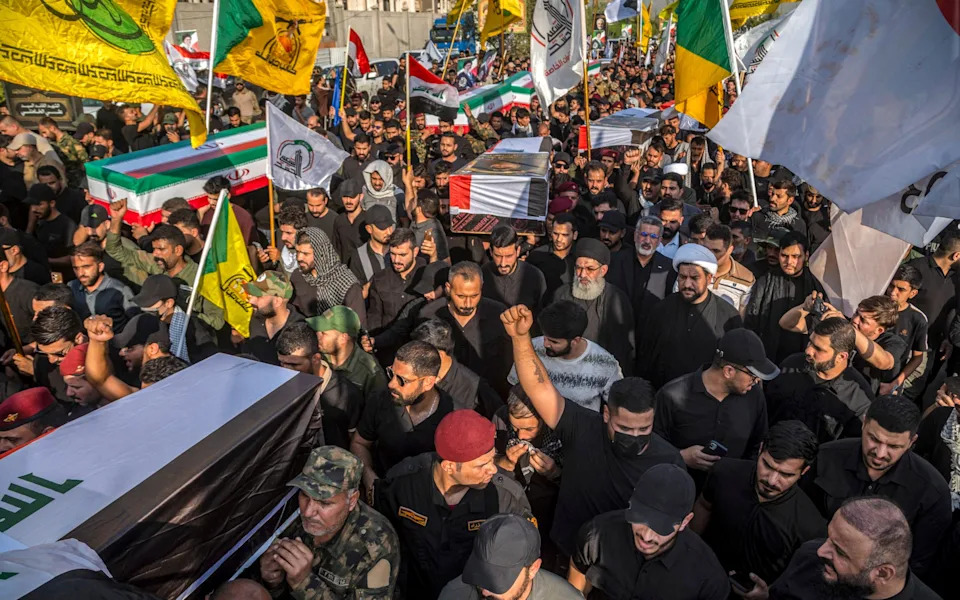
Mourners carry the bodies of members of Iraq's Hashed al-Shaabi killed by US-Saudi strikes - Murtadha Ridha/AFP/Getty
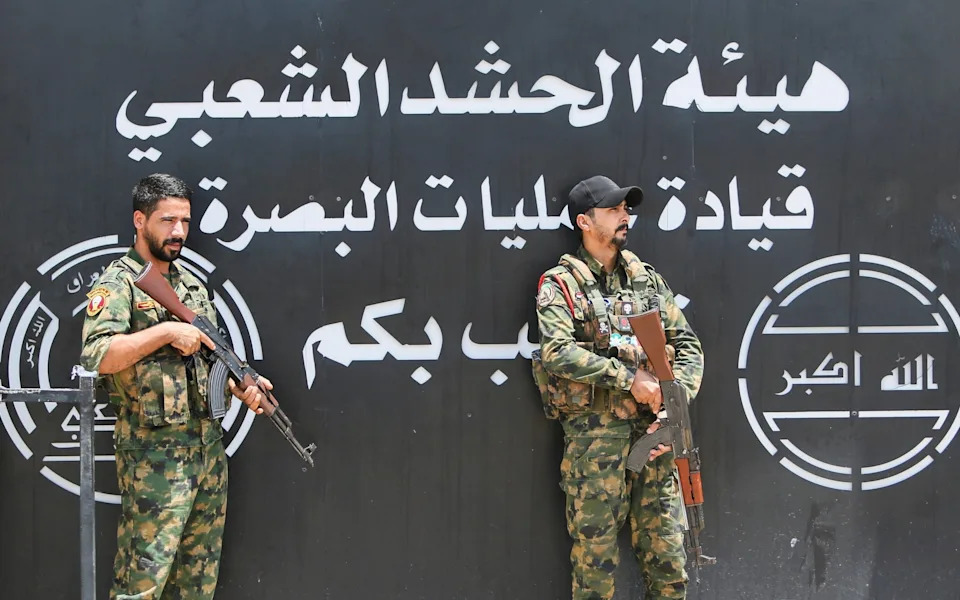
Members of Iraq's Popular Mobilisation Forces stand guard outside the Basra Operations Command headquarters - Essam Al-Sudani/Reuters
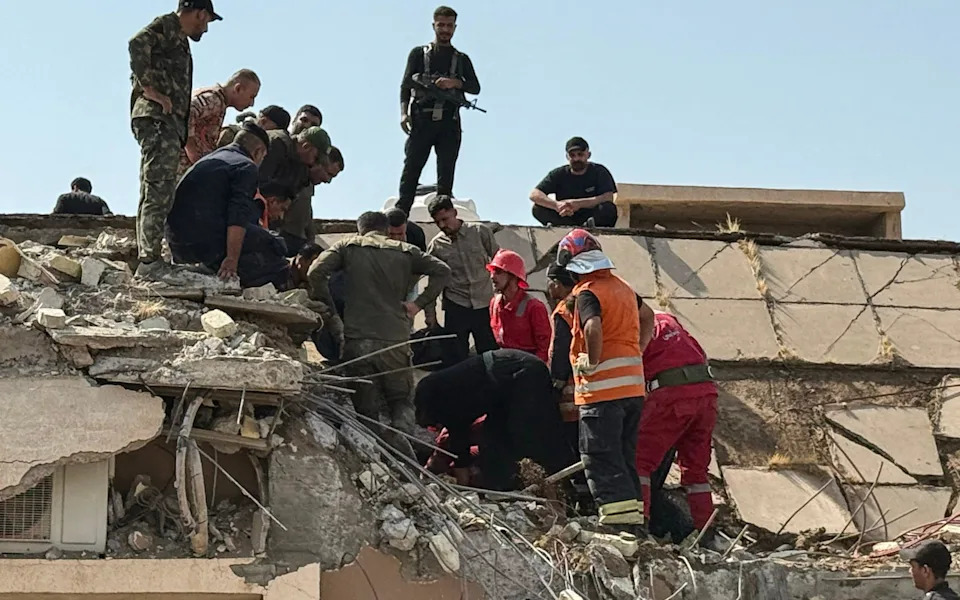
Security forces and emergency personnel work at the site of a strike in Iraq's Dayala province after US-Saudi strikes - YOUNIS AL-BAYATI/AFP
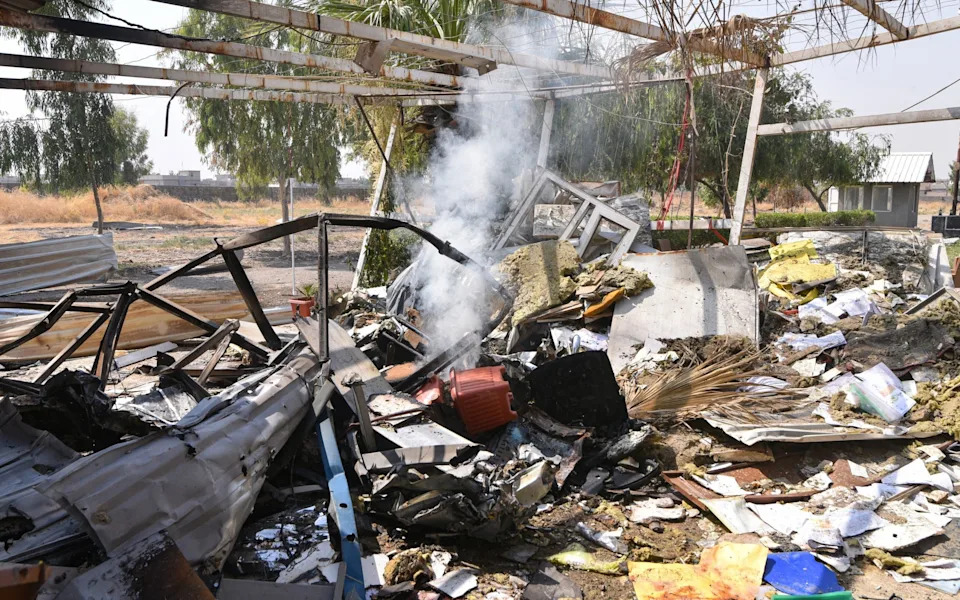
The US-Saudi attack on Iraq has killed at least 20 people - ZAID AL-OBEIDI/AFP
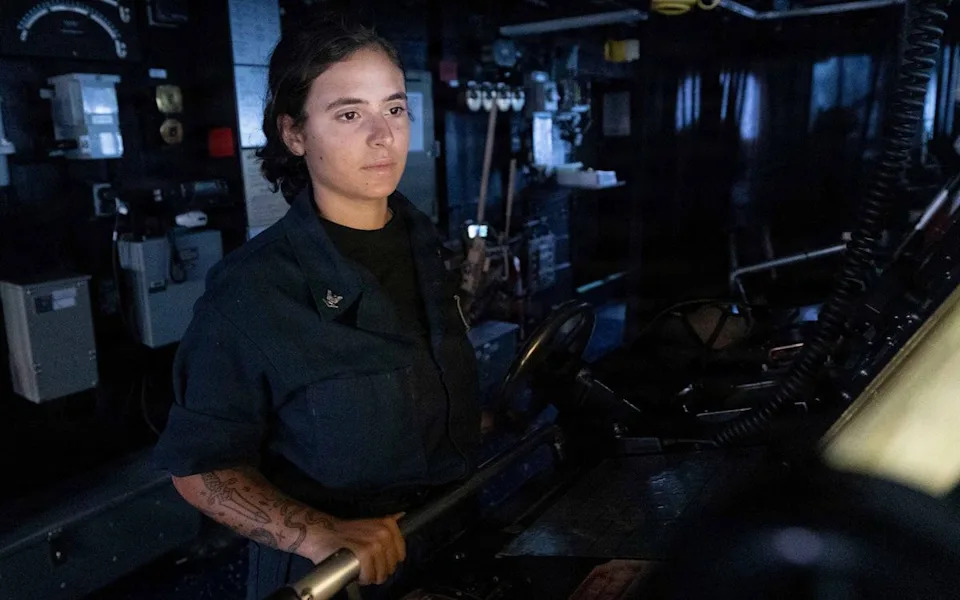
US personnel works aboard a US Navy warship - CENTCOM
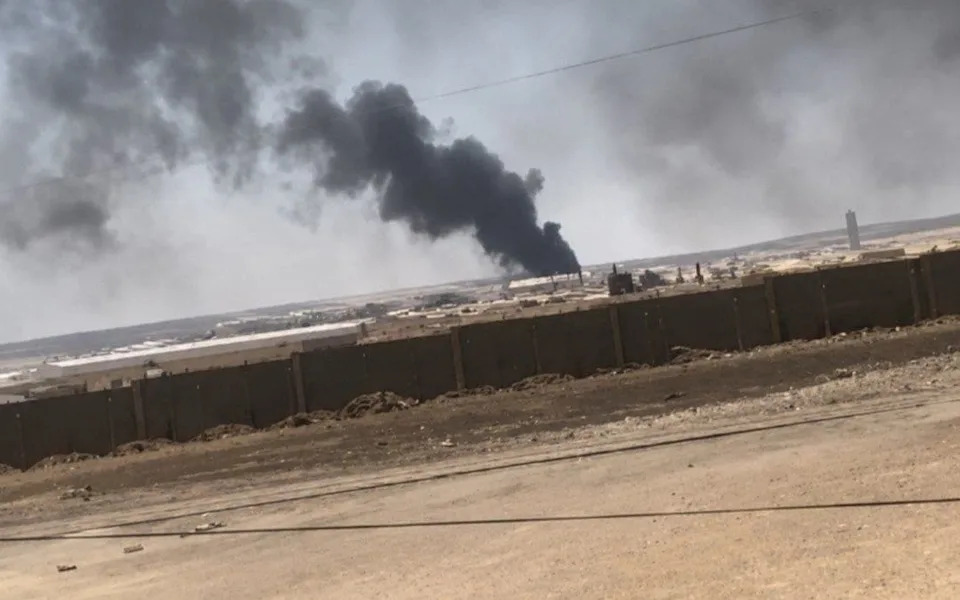
Several other US troops were injured in an Iranian attack on the US base earlier this month
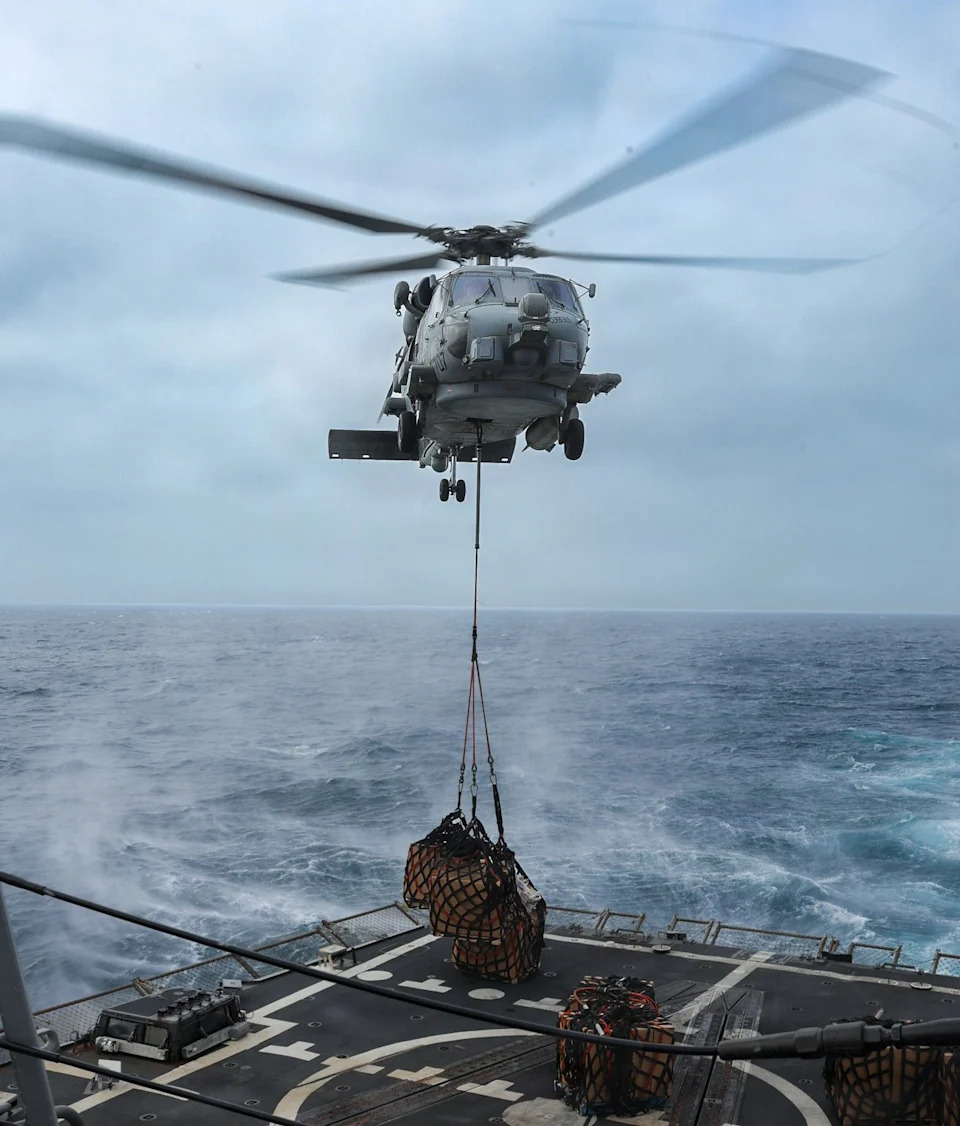
A MH-60R Sea Hawk delivers supplies to guided-missile destroyer USS Mason in the Arabian Sea
Help us improve.