Michigan — the hardest-hit U.S. state in the current cyclospora outbreak — appears to be seeing its case count level off after surpassing 10,000 reported infections. Many Michigan illnesses have been linked to contaminated iceberg lettuce, prompting a Taylor Farms voluntary recall and product removals at Taco Bell. Federal investigators report more than 17,000 cases nationwide and say tracing the parasite is difficult because of a long incubation period and limitations of laboratory methods. Authorities urge consumers to discard recalled lettuce and seek medical care for severe or persistent symptoms.
Michigan Cyclospora Outbreak Shows Signs of Peaking After Cases Top 10,000

Signs point to a peak in explosive diarrhea cases in Michigan
Officials say there are early indications that the outbreak of cyclosporiasis — the parasitic illness that causes severe, often watery diarrhea — may be slowing in Michigan, the state hardest hit in the United States.
Outbreak Overview
Michigan health authorities reported the state's total case count surpassed 10,000, a rise of only a few hundred from the roughly 9,680 cases reported the previous day and the ~9,200 reported earlier in the week. Many Michigan infections have been linked to contaminated iceberg lettuce, prompting a voluntary recall by California salad-maker Taylor Farms and prompting Taco Bell to remove potentially affected menu items.
The Taylor Farms–linked cluster is the largest in the U.S. and involves exposures at Taco Bell locations in nine states: Illinois, Indiana, Kentucky, Kansas, Ohio, Oklahoma, Pennsylvania and West Virginia, in addition to Michigan. Federal and state officials say the investigation into that cluster remains active, and they are also probing multiple other outbreaks across the country.
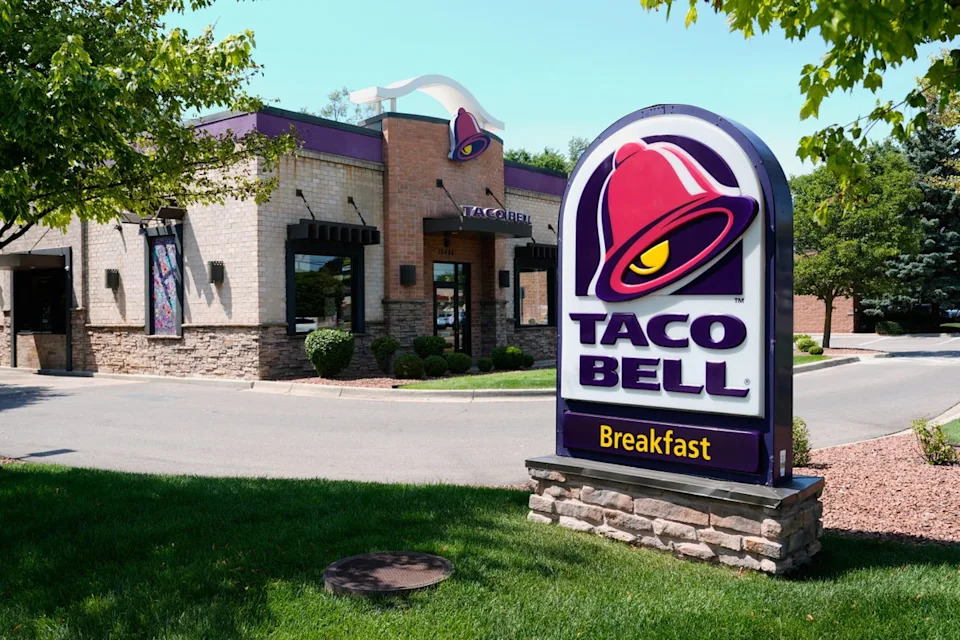
A Taco Bell restaurant is seen in Taylor, Michigan, earlier this month. The fast food chain has been tied to the largest cyclosporiasis outbreak in the country (AP)
Nationwide Picture
Authorities report more than 17,000 total cases nationwide across several concurrent outbreaks. Since May, the U.S. Centers for Disease Control and Prevention (CDC) has received reports of 6,707 laboratory-confirmed cases in 45 states and is aware of more than 11,500 additional cases that are not yet laboratory-confirmed or require further investigation.
The U.S. Food and Drug Administration (FDA) has documented six separate Cyclospora outbreaks since early June; two of those clusters have been declared over, while new investigations — including one tied to 72 cases of unknown origin — remain active. State health officials in North Carolina have linked some illnesses to parsley and cilantro.
Why Tracing Cyclospora Is Challenging
Public health investigators face several challenges when tracing cyclosporiasis. Symptoms — including profuse diarrhea, nausea, vomiting and dehydration — can take up to two weeks to appear, by which time people may not remember what they ate and contaminated products may be gone from shelves.
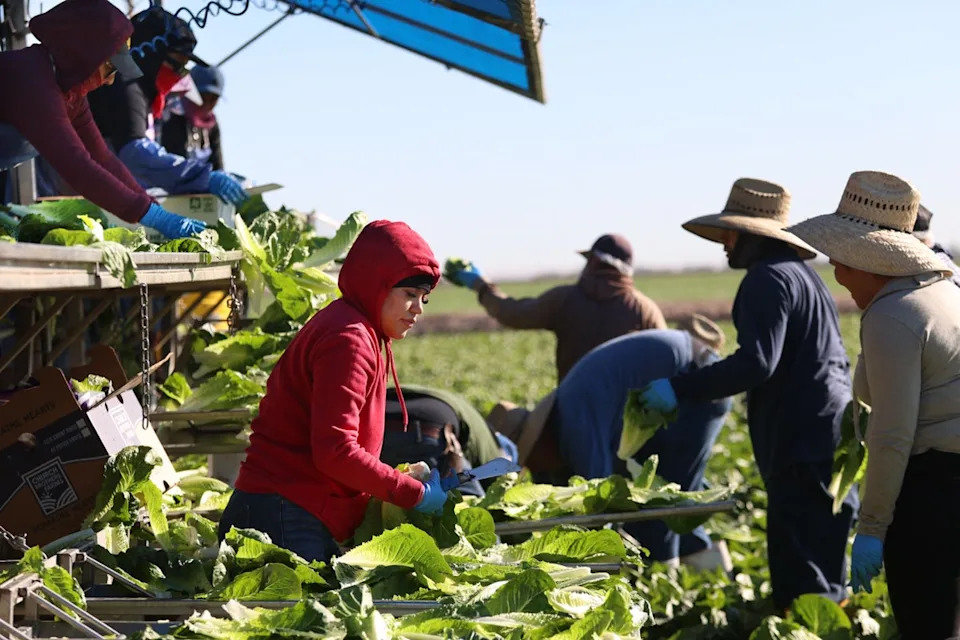
Spread solely through humans, the cyclospora parasite can survive in the soil for a long time and still cause illness (AFP/Getty)
Unlike many bacteria, the microscopic Cyclospora parasite cannot be grown in standard laboratory cultures, which limits the use of whole-genome sequencing to generate a clear genetic fingerprint that links cases to a specific grower or source. Instead, scientists extract material from organisms and amplify DNA, a method that can be less definitive and occasionally produce misleading results.
“FDA relies on whole genome sequencing to effectively fingerprint a pathogen... You don't have that in this case,” said former FDA Commissioner Scott Gottlieb.
Environmental Persistence and Control
Once Cyclospora contaminates produce, it is hard to eradicate. The parasite can survive in soil and water for weeks or months and may resist standard sanitizing treatments, according to experts at the Johns Hopkins Bloomberg School of Public Health. These characteristics make containment and traceback more difficult for regulators and growers.
Guidance For Consumers
The FDA advises: Consumers, restaurants and retailers who purchased or received recalled iceberg lettuce distributed by Taylor Fresh Foods should discard it immediately and not consume it. Health officials recommend seeking medical care if you have severe diarrhea, dehydration, or symptoms that last more than a few days; Cyclospora is treatable with specific antibiotics prescribed by a clinician.
Federal agencies say they continue to work together and with state partners to identify additional sources of infection and to inform swift public health actions.
Ongoing Investigation
Investigations are ongoing at federal and state levels. Officials urge caution with fresh produce and encourage reporting suspected cases to local health departments to help speed outbreak detection and response.
Help us improve.