The first confirmed detections of nanoplastics in mainland Antarctic soil were recorded in the McMurdo Dry Valleys, with particles found in 54% of 13 topsoil sites and in two of four deeper cores. Positive sites had a median concentration of 26.6 ng/g and a peak of 295 ng/g, and researchers identified multiple polymer types including PP, PE, PET, PS, PVC and tire-wear particles. Using a tailored extraction and TD-PTR-MS detection method, the study establishes a baseline for monitoring and calls for repeated sampling, improved transport modeling, and tighter waste handling at Antarctic stations.
Nanoplastics Found in Antarctica’s McMurdo Dry Valleys — Pristine Soil Not Immune
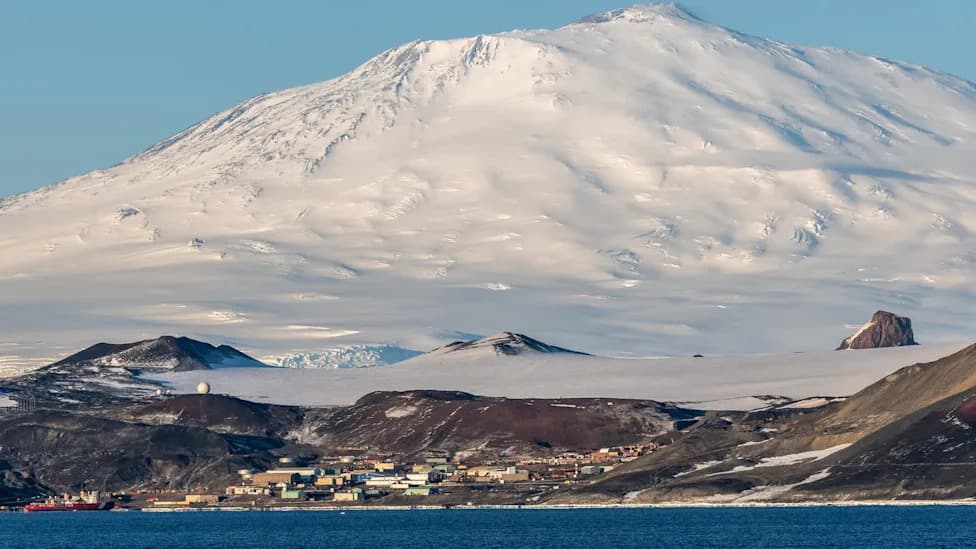
Photo Credit: iStock
New research led by Dr. Nhu Phan of Lancaster University reports the first confirmed detections of nanoplastics in mainland Antarctic soil, specifically in the McMurdo Dry Valleys — a landscape long regarded as one of Earth’s most pristine environments. The discovery shows microscopic plastic particles have reached terrestrial Antarctic habitats, raising concerns about impacts on fragile soil ecosystems.
Key Findings
Researchers sampled 13 topsoil locations and found nanoplastics above the laboratory detection threshold in 54% of sites (7 of 13). Positive topsoil samples had a median concentration of 26.6 nanograms per gram and a maximum concentration of 295 nanograms per gram. Nanoplastics were also detected in two of four deeper soil cores taken from below 20 cm (7.9 inches).
Across samples, the team identified several polymer types and sources, including polypropylene (PP), polyethylene (PE), polyethylene terephthalate (PET), polystyrene (PS), polyvinyl chloride (PVC), and particles consistent with tire wear.
Methods
To detect these ultrafine particles the team paired a bespoke soil extraction protocol with highly sensitive thermal desorption–proton transfer reaction–mass spectrometry (TD-PTR-MS). This combination enabled identification of plastics at extremely low concentrations and established a preliminary baseline despite some remaining analytical uncertainty.
Implications and Possible Sources
Although the McMurdo Dry Valleys appear barren, they support microbial soil communities — bacteria, fungi, cyanobacteria and other microscopic organisms — that underpin a delicate Antarctic food web. Nanoplastics' tiny size may allow them to move more readily through soil and potentially transport other contaminants, posing unknown risks to slow-growing Antarctic invertebrates that may have limited tolerance for chemical stressors.
Researchers have not yet pinpointed definitive sources. Plausible contributors include local research-station activity (wastewater, equipment, clothing, tire wear), legacy waste sites, and long-range atmospheric transport of plastic particles that deposit onto snow, ice, and soil.
'This evidence shows that soils in one of Earth's most pristine environments are not exempt from plastic contamination,' said Dr. Nhu Phan.
Next Steps
The authors recommend repeated, coordinated sampling of soil, snow, ice and air, and improved transport modeling to better distinguish contamination from local Antarctic operations versus long-range inputs. The findings also strengthen calls for stricter waste-handling practices at research stations and broader measures to reduce plastic pollution globally.
Why this matters: The study provides empirical concentration ranges and polymer types that laboratories can use for controlled experiments to test how nanoplastics affect soil organisms and food chains in polar ecosystems.
Help us improve.