The SAVE America Act would require voter ID and proof of citizenship to register and vote — changes that Strength In Numbers polling suggests would disproportionately burden Democrats, especially Black Americans, while also affecting some Republicans. Though the bill lacks a clear Senate path, President Trump’s relentless push for it has repeatedly disrupted congressional business and GOP primaries. Other recent developments: Jay Clayton’s confirmation as DNI amid controversy, legal moves involving James Comey, missed deadlines on a birthright-citizenship filing, new Pew polling on political reforms, and heightened Iran-related tensions.
Trump’s SAVE Act: A New Threat To Voting Access — And A Catalyst For GOP Turmoil
The SAVE America Act is playing multiple roles in U.S. politics: a potential nationwide voter-restriction law and a disruptive force inside the Republican Party.
Voter Access And Who Would Be Affected
The SAVE America Act would impose requirements such as voter ID to cast a ballot and proof of citizenship to register. Polling from G. Elliott Morris at Strength In Numbers indicates these rules would disproportionately affect Democrats — particularly Black Americans — who are more likely to lack the documents needed to demonstrate citizenship. The law would also create burdens for some Republicans; for example, many people who change their surnames after marriage could face additional documentation requirements to prove citizenship under a new name.
A Force For Chaos Inside The GOP
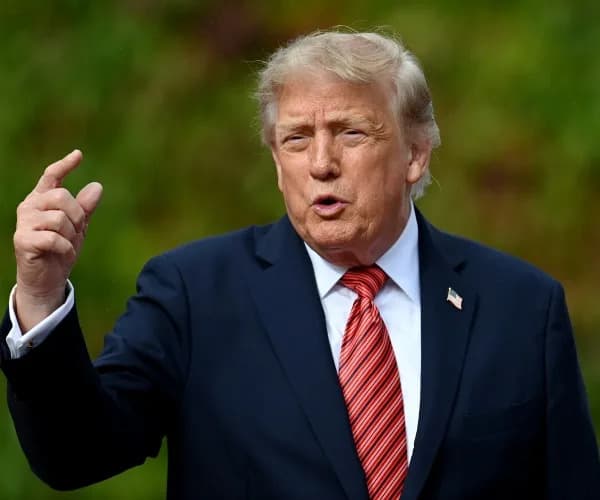
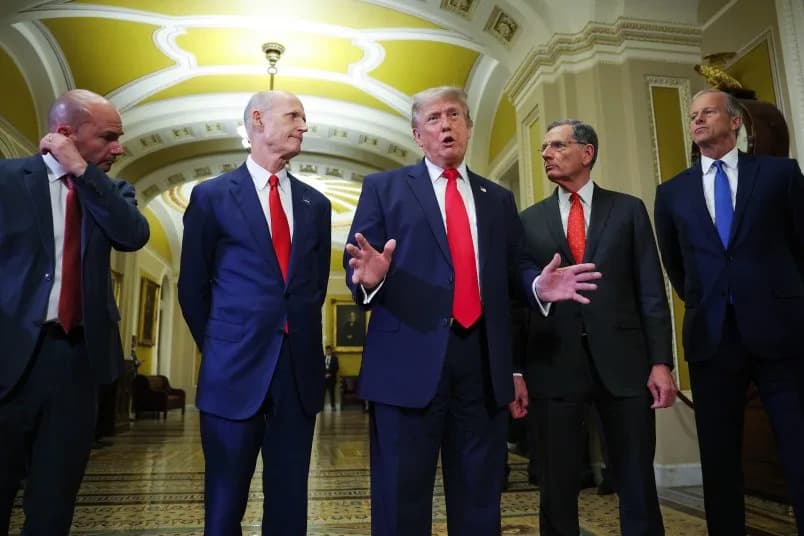
Although more expansive versions of the SAVE Act — including national mandates for voter ID and proof of citizenship — have not shown a clear path through the Senate, former President Donald Trump has repeatedly pressed Republicans to advance the legislation. That insistence has frequently derailed Senate and House action, reshaped GOP primaries, and intensified intra-party fights. In Texas, for instance, Attorney General Ken Paxton used accusations that Sen. John Cornyn was not sufficiently committed to the bill to influence endorsements and primary dynamics.
Personnel, Legal, And Institutional Fallout
Jay Clayton was confirmed as Director of National Intelligence, replacing acting DNI Bill Pulte. Clayton’s confirmation hearing drew attention when he declined to state directly that Mr. Trump lost the 2020 election — a stance common among recent Trump nominees and one that is notable given how politicized the DNI role has become. Politico reports that Pulte is pushing to remain in his acting role briefly to delay Clayton’s swearing-in.
Former FBI Director James Comey's lawyers are seeking grand jury transcripts related to the so-called "seashell-photo" indictment, according to Lawfare — a move that raises questions about the Justice Department’s use of grand juries in cases with political implications.
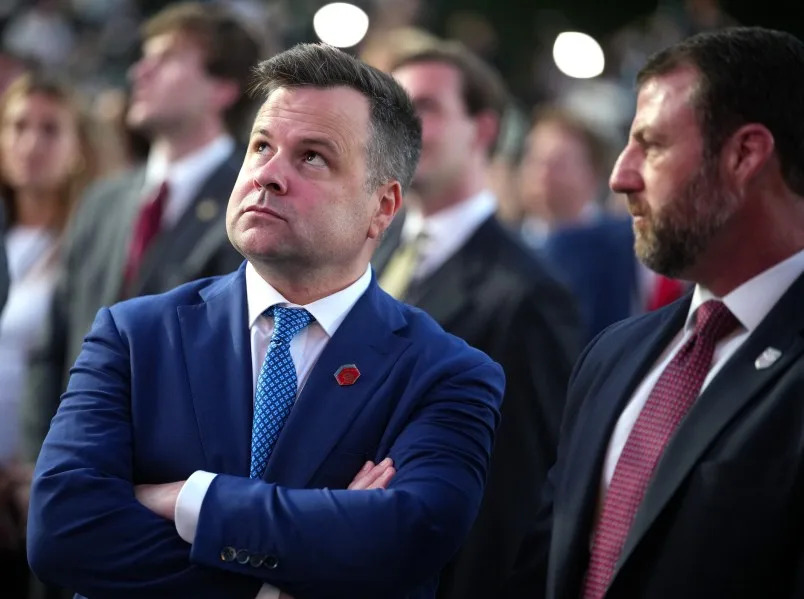
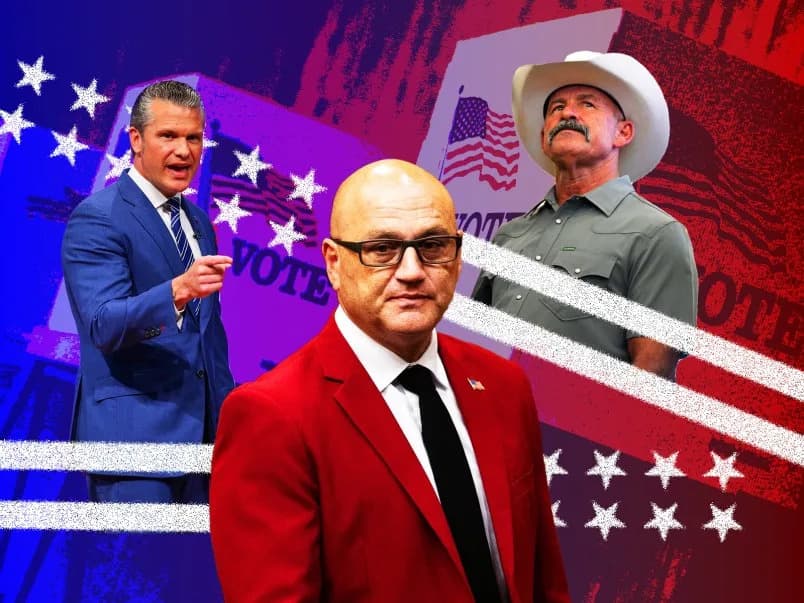
WASHINGTON, DC – JUNE 24: Acting Director of National Intelligence is Bill Pulte (L) and U.S. Secretary of the Department of Homeland Security Markwayne Mullin attend a rally to kick off the Great American State Fair on the National Mall on June 24, 2026 in Washington, DC. The Freedom 250-backed Great American State Fair celebrates the 250th anniversary of the United States with pavilions, live performances, military demonstrations, and exhibits and runs through July 10th. (Photo by Andrew Harnik/Getty Images)
Earlier this month, Mr. Trump said on Truth Social that he would ask the Supreme Court to revisit birthright citizenship; NBC reports the deadline to file such a petition has passed without one being submitted.
Polling, Media Moves, And International Tensions
New Pew Research Center polling shows large majorities of Americans favor term limits for members of Congress, stricter restrictions on money in politics, and abolishing the Electoral College.
In media news, Ross Douthat is leaving his role as a senior opinion writer at The New York Times to take a prominent on-camera role on a new program produced by Bari Weiss.
On the international front, Iran fired a salvo of missiles overnight, and Saudi Arabia joined U.S. strikes targeting Iranian-linked militias, marking a sharp escalation in regional tensions.
Bottom Line: If enacted, the SAVE Act would materially change access to the ballot. Even while stalled in Congress, the bill has become a focal point of Republican infighting and a significant source of disruption across Washington.
Help us improve.