Overview: Democratic socialists have grown from influence seekers into an organized political force with notable local victories. Though they now contest the Democratic Party's direction, significant barriers remain: the party's dependence on Black and other coalition voters, widespread public skepticism toward several DSA policy proposals, and the absence of a reliably electable national standard‑bearer. National success will likely require moderation on the most polarizing ideas and a charismatic, broadly appealing messenger.
Can the Rising Socialist Movement Recast the Democratic Party?
Does the Socialist Surge Doom Democrats?
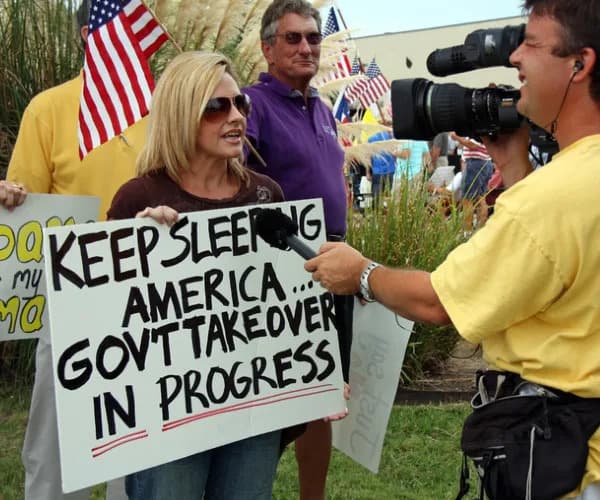
Several years ago, as Bernie Sanders's second presidential bid gained momentum, centrist Democrat Ken Baer offered a striking observation: 'It's not a battle between moderates and liberals anymore. It's between liberals and socialists.' That insight helps frame an important question today: are democratic socialists a pressure faction inside the Democratic Party — or a rival party aiming to supplant it?
From Fringe to Organization
What began as an infusion of ideas into the Democratic conversation has, in many ways, become an organized force. Democratic socialists now operate with membership rolls, local chapters, branded merchandise, and an articulated platform. Their candidates have scored notable wins in municipal and primary races, and the movement appears ready to field first‑tier contenders in upcoming presidential primaries.
Where DSA Has Grown
DSA‑aligned candidates have captured mayoral offices in major cities and upset incumbents in congressional primaries in states like New York and Colorado. These victories demonstrate the movement's organizing strength, fundraising capacity, and appeal in certain urban and college‑town contexts.
Critical Differences From the Trump Model
Comparisons to the MAGA takeover are natural but imperfect. Trump's insurgency was driven chiefly by a charismatic personality and a set of broadly popular positions — tighter immigration controls, lower taxes, skepticism about elites — that resonated with a large swath of voters despite his rhetoric. Democratic socialists, by contrast, rely more on a programmatic platform and grassroots organizing than a single dominant personality, though celebrity figures like Alexandria Ocasio‑Cortez can change that dynamic.
Electoral Hurdles
The Democratic coalition is more diverse than the Republican one. Any viable path to the presidential nomination runs through sizable Black electorates and other constituencies where some DSA policies — for example, calls to 'defund the police' — may be deeply unpopular. Past Democratic primaries showed how these dynamics can hamper left‑leaning insurgents.
Policy Obstacles
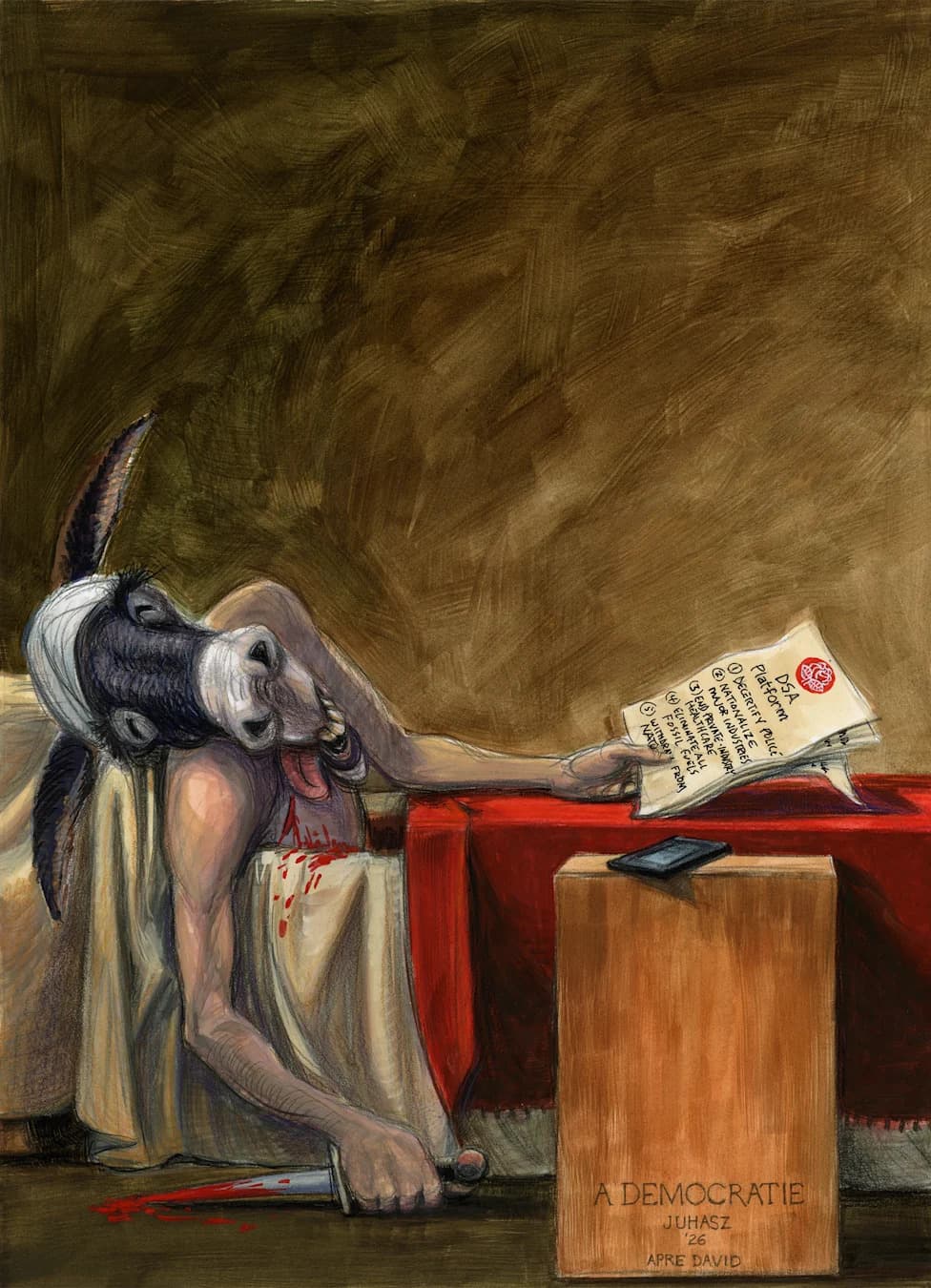
Many planks in the broader DSA platform — from nationalizing industries to ending private‑sector healthcare, withdrawing from NATO, eliminating immigration enforcement, and even abolishing the Senate — sit far beyond current mainstream American opinion. Even if individual candidates distance themselves from parts of that agenda, those positions remain on record and would be ammunition for opponents in any national campaign.
'The organization's ideas are electoral poison,' argued centrist commentators — a reminder that public perception of policy proposals matters as much as organizational vitality.
Outlook: What It Would Take
For democratic socialists to exert lasting influence nationally, two things are likely necessary: (1) a candidate with broad, cross‑demographic appeal who can translate activist energy into votes, and (2) strategic ambiguity or moderation on the most polarizing parts of the platform so the movement's agenda becomes electable. In short, success may depend less on total doctrinal fidelity and more on pragmatic coalition‑building and message discipline.
Bottom line: The DSA has moved from a pressure group to a political force with demonstrated local success. But translating that momentum into national dominance would require overcoming coalition constraints, public resistance to radical policies, and the challenge of converting platform into votes.
Help us improve.