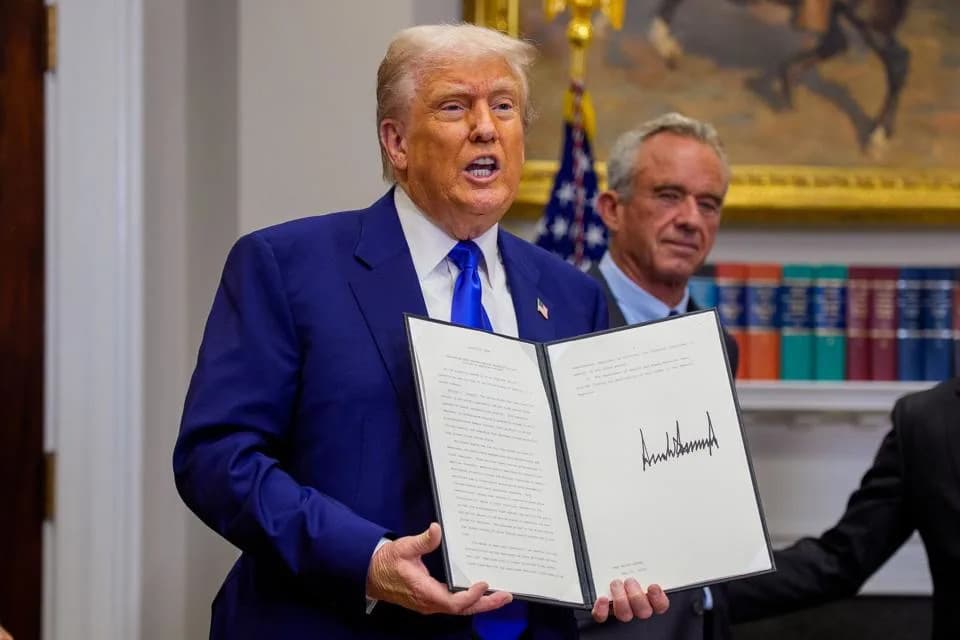
Medicare Part D premium subsidies will expire at the end of the year, with the change slated to take effect for 2027. The subsidies currently help keep average Part D premiums near $36 per month; analysts say ending them could raise premiums by up to $20 for some. The administration argues most enrollees will see changes under $10 or reductions and highlights other measures—like MFN-style deals and a $50/month GLP-1 program—to lower drug costs.
U.S. To End Medicare Part D Premium Subsidies — Change Set For 2027
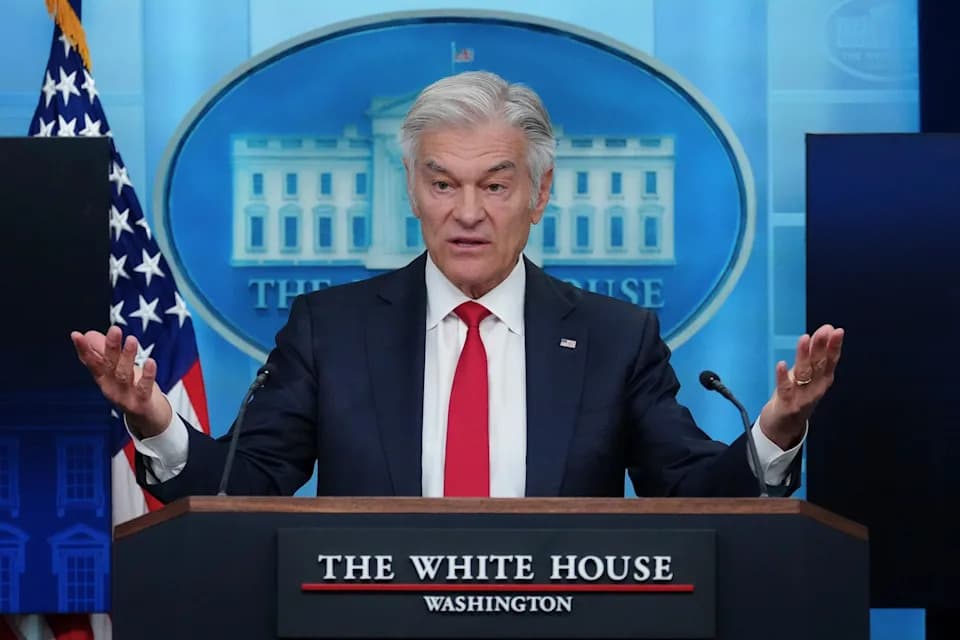
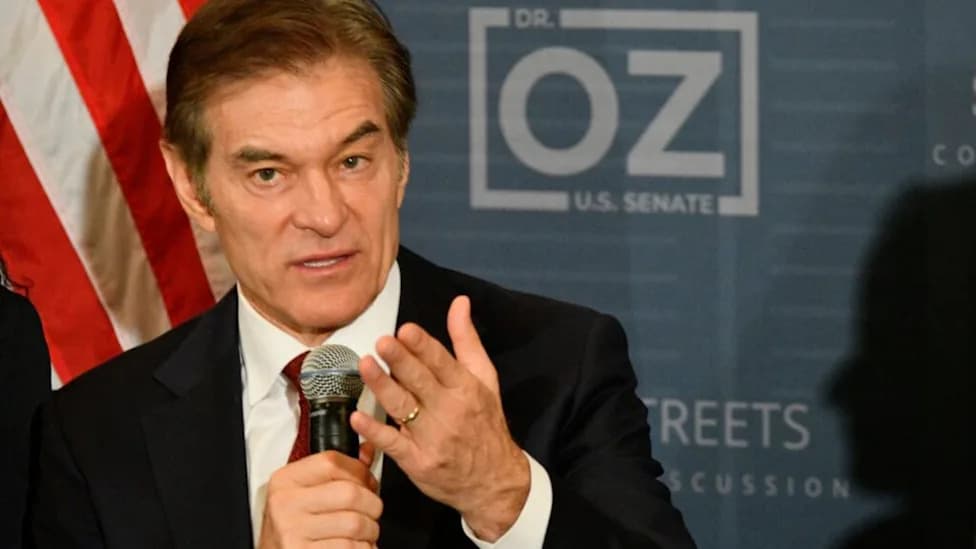
Julia Demaree Nikhinson/AP Photo - PHOTO: Mehmet Oz
The administration announced it will allow a major subsidy that helps keep Medicare Part D premiums low to expire at the end of the year, a change scheduled to take effect in 2027. Officials say the payments largely benefited private insurers and that removing them will “stabilize the market” while the government pursues other drug-cost measures.
What Is Changing
Medicare Part D is the federal prescription drug benefit used by tens of millions of older Americans and people with disabilities. Under the current arrangement, the government pays insurers billions of dollars in subsidies so the average monthly premium remains near $36 per person, according to the Kaiser Family Foundation (KFF). The administration announced the subsidies will expire at the end of this year and the change will be implemented for plan year 2027.
Impact On Beneficiaries
Officials and outside analysts disagree about the scale of the impact. KFF estimates that eliminating those payments could raise premiums for some beneficiaries by as much as $20 per month. Administration officials say about half of enrollees will either see premium increases of less than $10 or will see decreases, and that many low-cost plans will remain available.
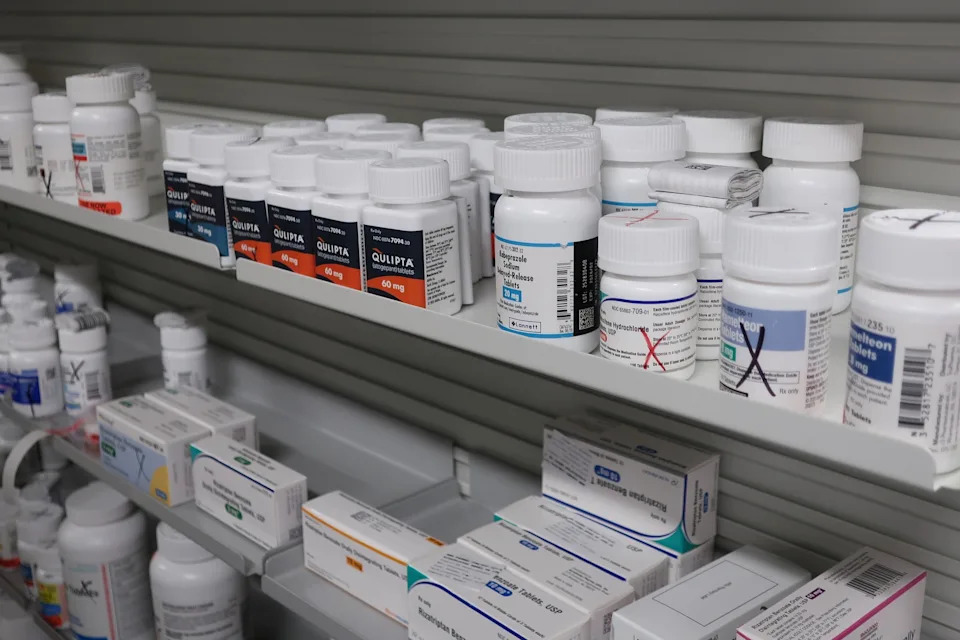
John Hanna/AP Photo - PHOTO: Drug Prices States
Administration Rationale And Related Policies
“We are stabilizing the market so this bailout is no longer needed,” wrote Centers for Medicare & Medicaid Services Administrator Mehmet Oz on X. “Premiums will go up by less than $10 for most Medicare recipients, with many even seeing LOWER premiums.”
The administration framed the move as undoing a market distortion that favored insurers following the Inflation Reduction Act, criticizing that law for effectively channeling billions to major insurance companies. The Biden administration has defended the Inflation Reduction Act for enabling government negotiation of prices for some high-cost drugs.
Officials also point to other steps they say will reduce drug costs, including expanded Most Favored Nation (MFN)–style pricing deals and a program to provide access to certain GLP-1 medications for seniors at $50 per month.
Next Steps For Enrollees
Plan details and final premium amounts are expected to be finalized this fall. The Wall Street Journal was first to report the decision on the Part D subsidies. Beneficiaries will be notified of their 2027 plan costs when insurers release plan pricing later this year.
Bottom Line
The expiration of the Part D subsidy is likely to raise costs for some Medicare enrollees, while the administration maintains broader drug-pricing measures will limit and offset those increases. How individual beneficiaries are affected will depend on plan choices and final premium filings later this year.
Help us improve.